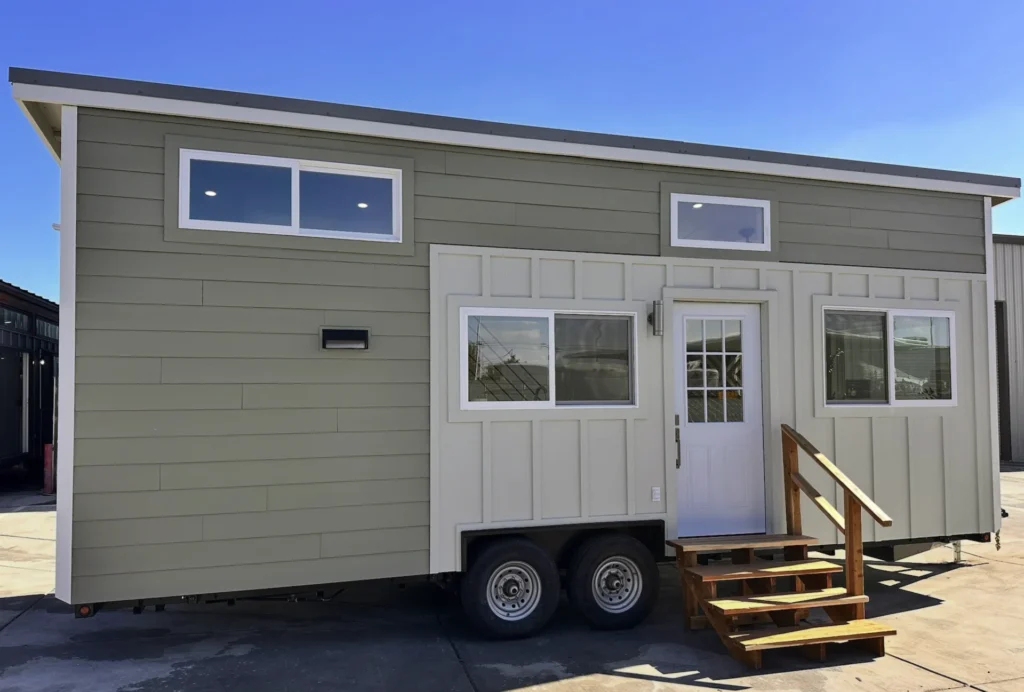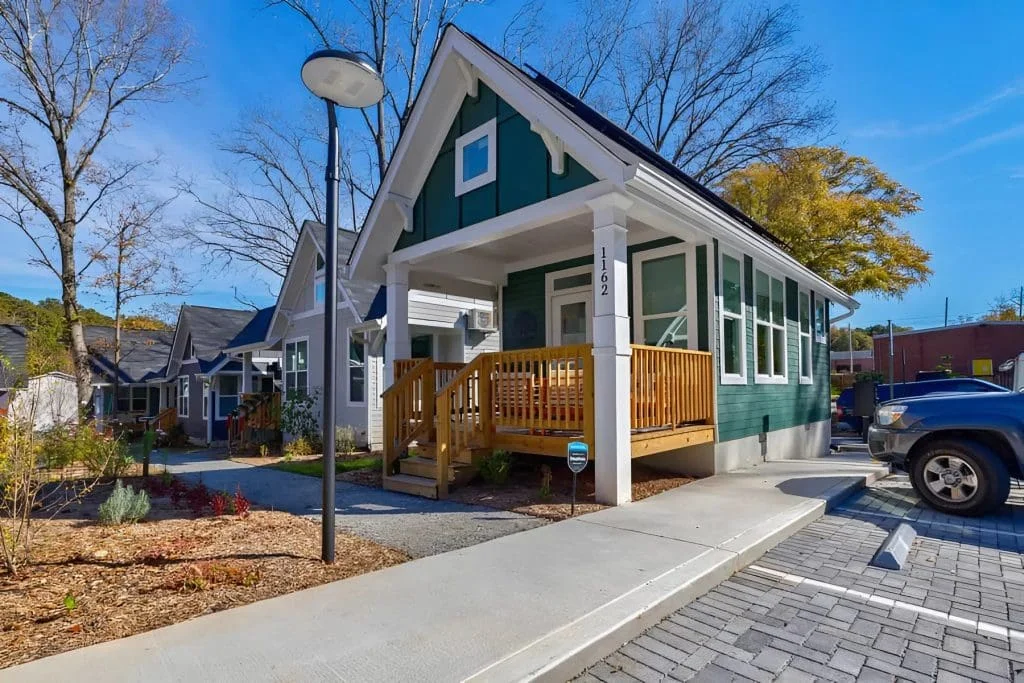


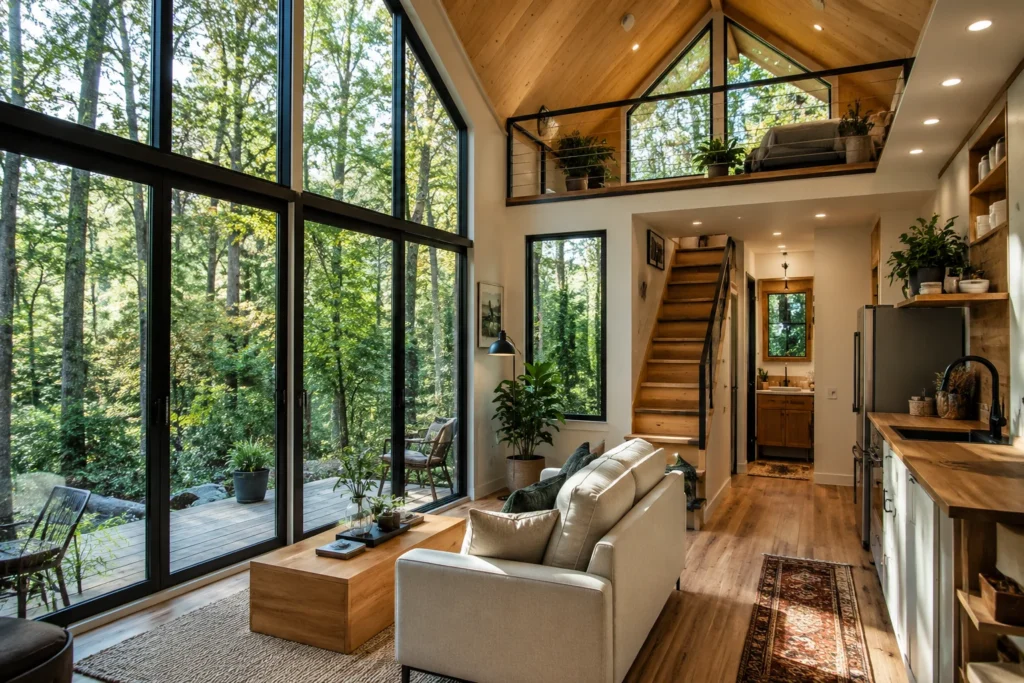
Tiny houses have been trending for years, but 2026 is shaping up to be the year of one specific design that people can’t stop talking about. Scroll through social media, browse home inspiration sites, or check out tiny house communities, and you’ll keep seeing the same style pop up again and again.
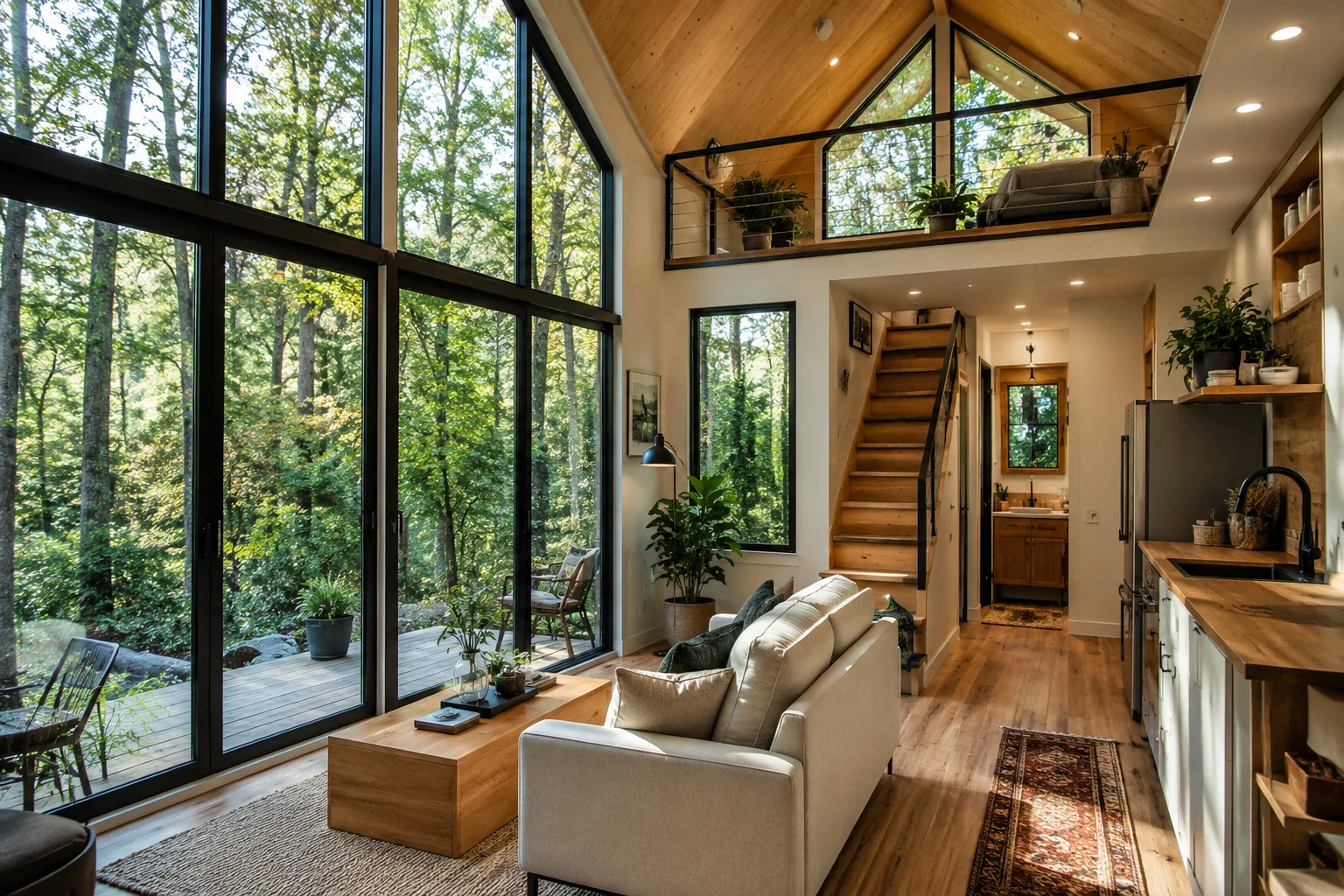
So what’s making this tiny house design go viral?
It’s not just because it looks good in photos—though it definitely does. People are drawn to it because it solves real problems. Housing costs are still high, people want more freedom, and many are tired of oversized homes filled with stuff they barely use.
This new wave of tiny house design feels different. It’s smarter, warmer, and way more livable.
Let’s talk about why everyone is obsessed.
The Tiny House Design Everyone Wants Right Now
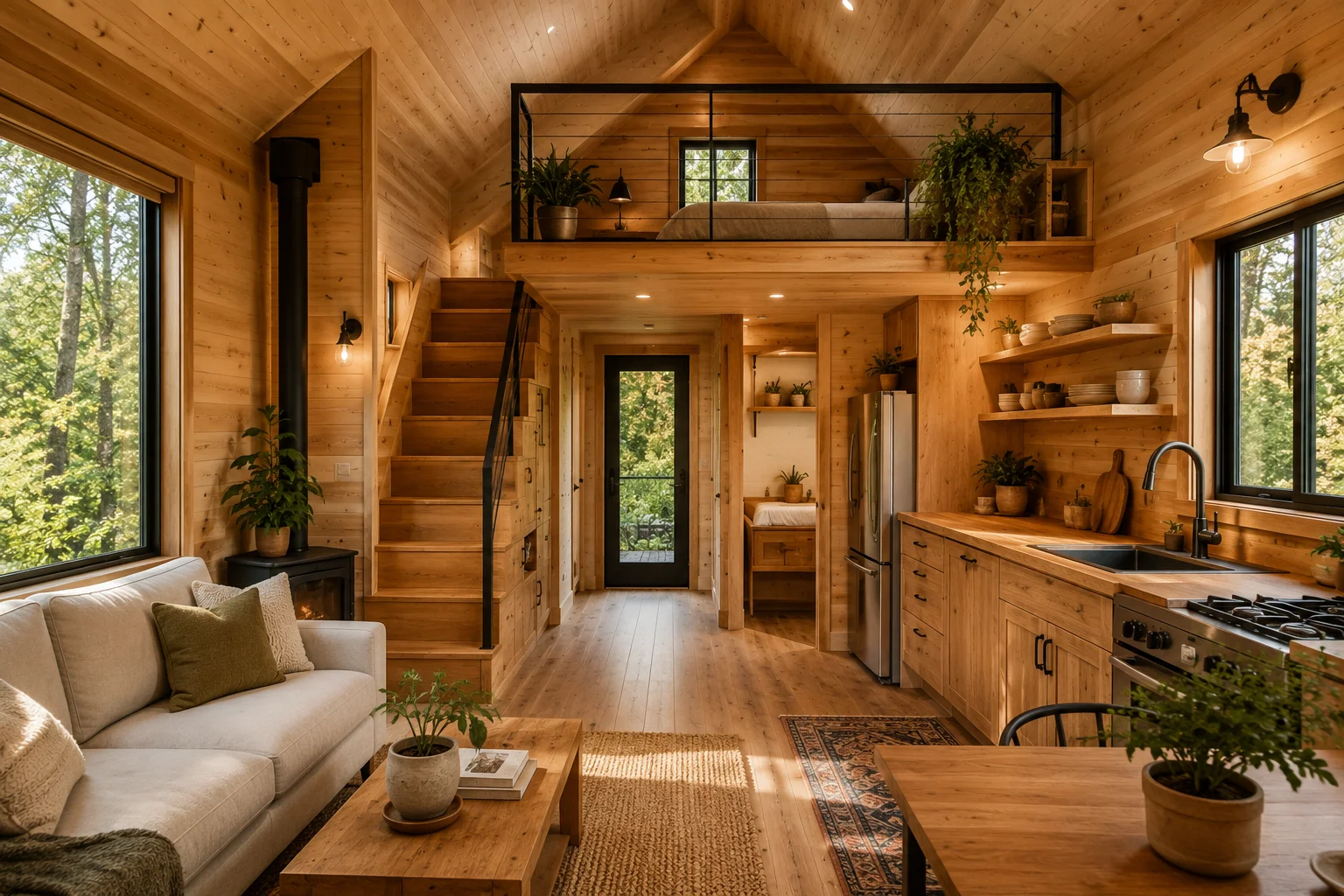
The viral tiny house design of 2026 blends clean modern style with practical comfort.
Think:
- Large floor-to-ceiling windows
- Natural wood interiors
- Multi-functional furniture
- Loft or split-level sleeping areas
- Hidden storage everywhere
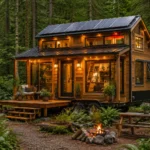
- Indoor-outdoor living spaces
- Minimalist but cozy decor
- Smart home features
This isn’t the cramped tiny house image people had years ago.
Nobody wants to feel like they’re living inside a storage box.
The designs going viral now feel open, bright, and surprisingly luxurious.
The big secret? Every inch has a purpose.
Why This Tiny House Design Is Blowing Up in 2026
There’s always one trend that catches fire, and this year, tiny houses are getting a huge boost for a few simple reasons.
Housing Prices Are Still Painful
Let’s be honest.
Buying a traditional home feels out of reach for a lot of people.
Mortgage rates, rent increases, utility bills—it adds up fast.
That’s pushing more people to look at alternatives, and tiny houses suddenly make a lot of sense.
A well-designed tiny home can cost dramatically less than a standard house, and that gets attention fast.
People Want More Freedom
This is probably the biggest reason.
A lot of people aren’t chasing giant homes anymore.
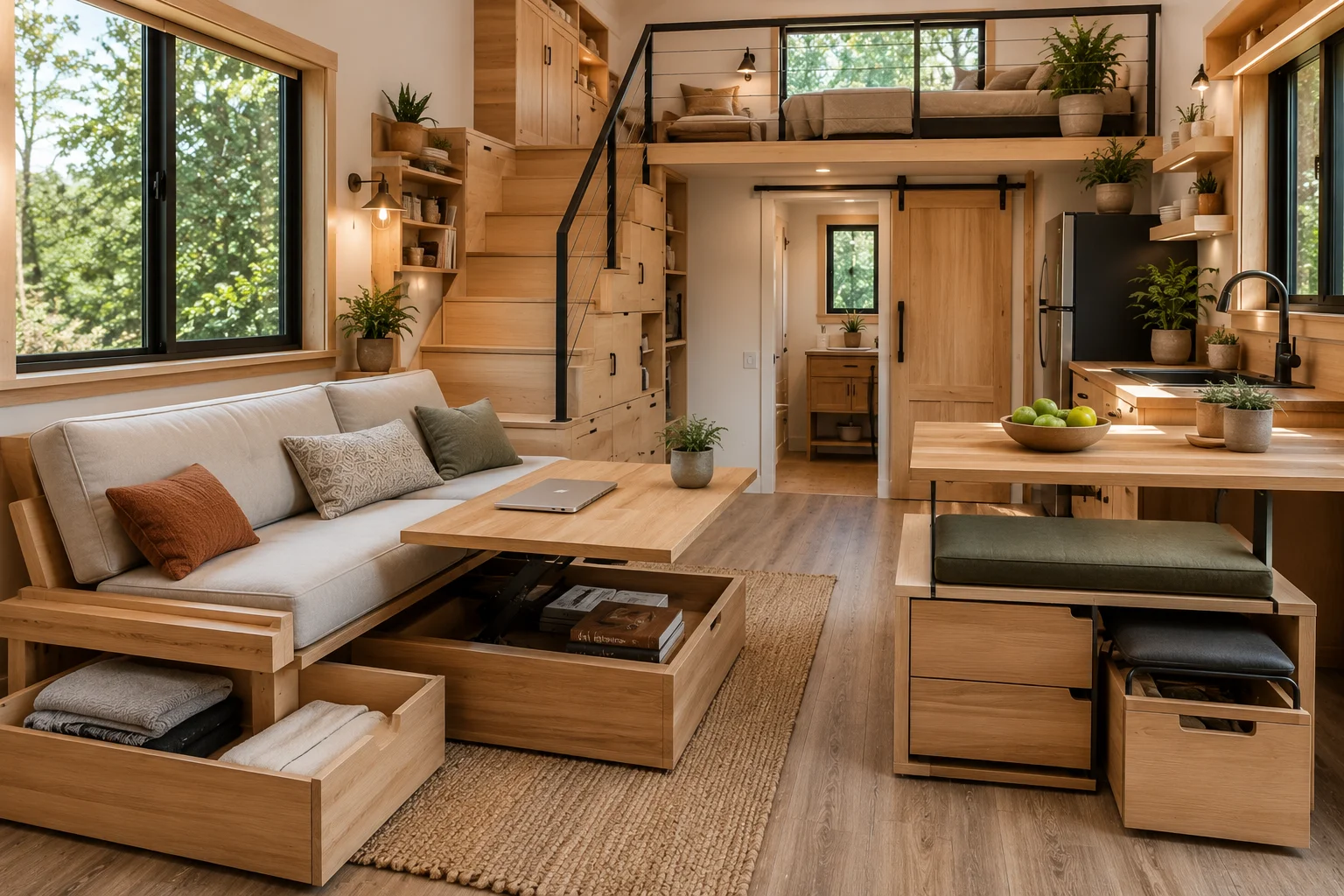
People want more freedom in how and where they live.
They want the ability to travel without feeling tied to one place.
They want fewer financial burdens hanging over them each month.
And many are choosing a simpler lifestyle with less stress and less clutter.
Tiny houses fit that mindset perfectly.
The viral designs in 2026 aren’t just homes—they represent a lifestyle people actually want.
Social Media Loves Beautiful Small Spaces
Tiny homes are made for Instagram, Pinterest, TikTok, and YouTube.
A gorgeous compact kitchen?
People click.
A hidden staircase with storage?
People share.
A bedroom loft with skylights?
People save it instantly.
Visual appeal matters, and these homes are incredibly photogenic.
That’s a huge reason this trend keeps spreading.
The Features Making This Design Stand Out
Not every tiny house gets attention.
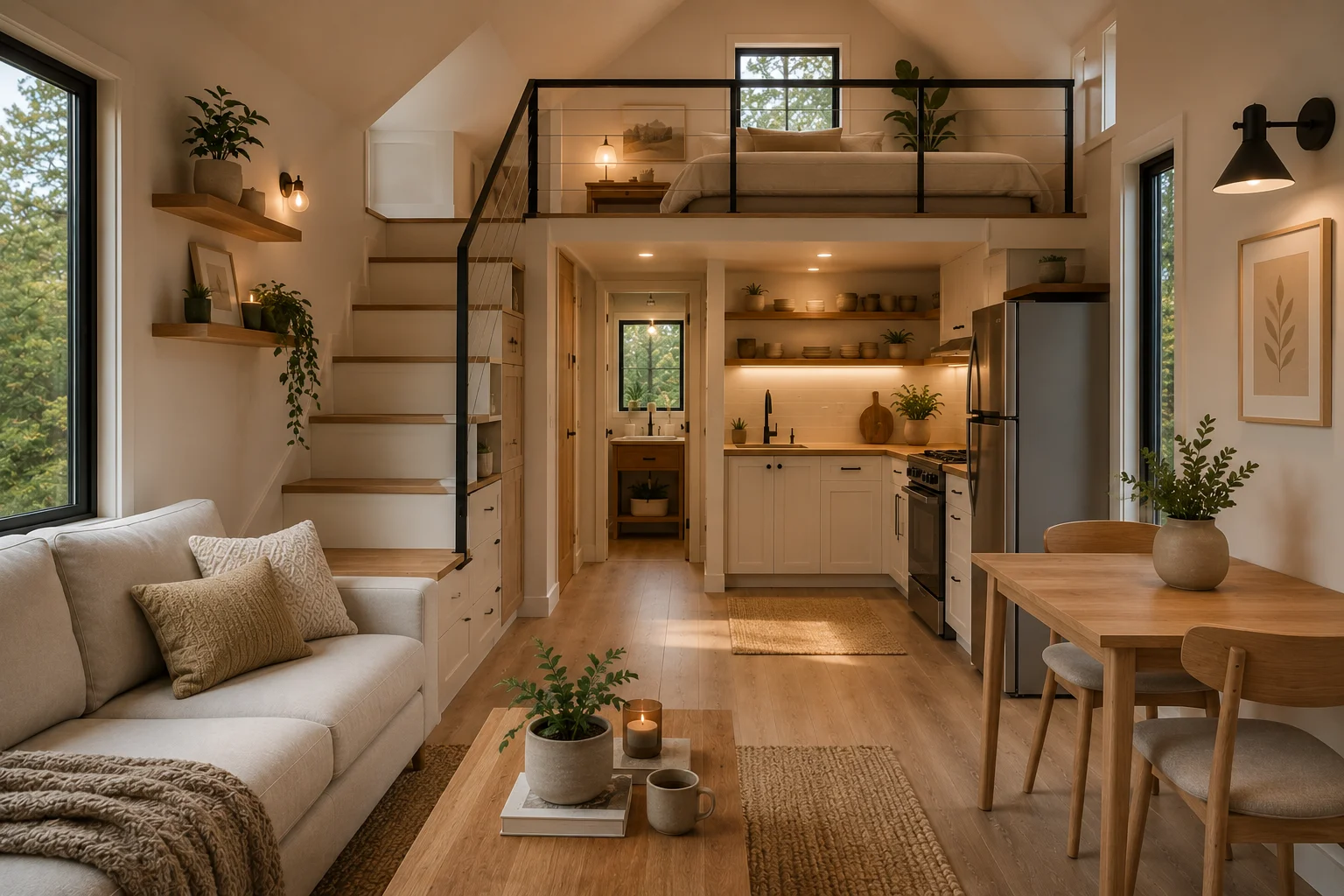
The viral ones usually share a few must-have features.
Massive Windows That Make the Space Feel Bigger
Natural light changes everything.
A small room can feel twice as large when sunlight floods in.
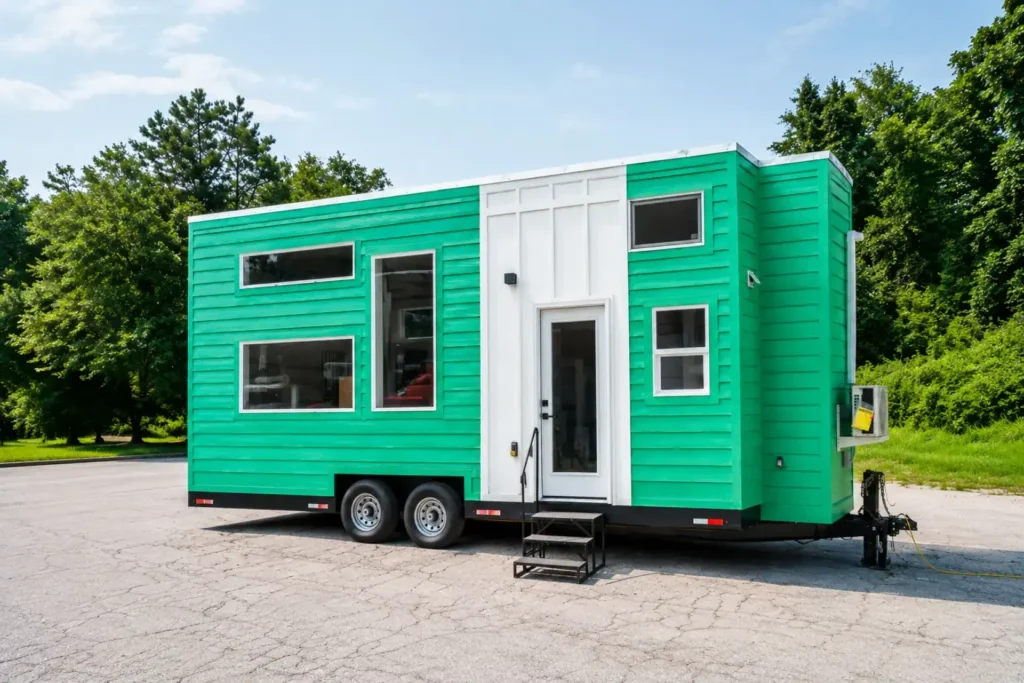
That’s why oversized windows are everywhere in 2026 designs.
They create openness, connect the indoors with nature, and make tiny homes feel less restrictive.
Bonus: amazing views.
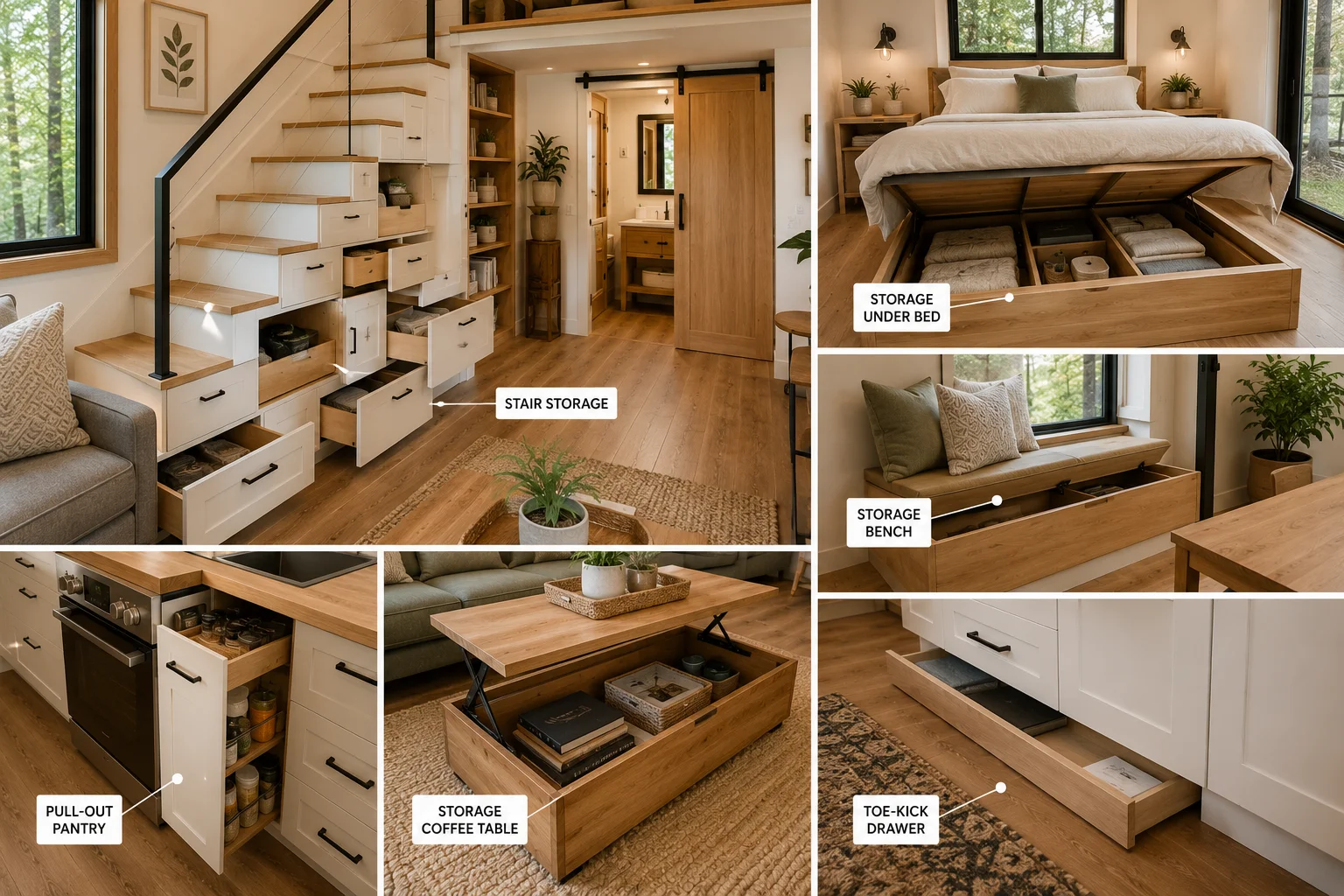
Clever Storage That Actually Makes Sense
Bad storage ruins small spaces.
Good storage makes them magical.
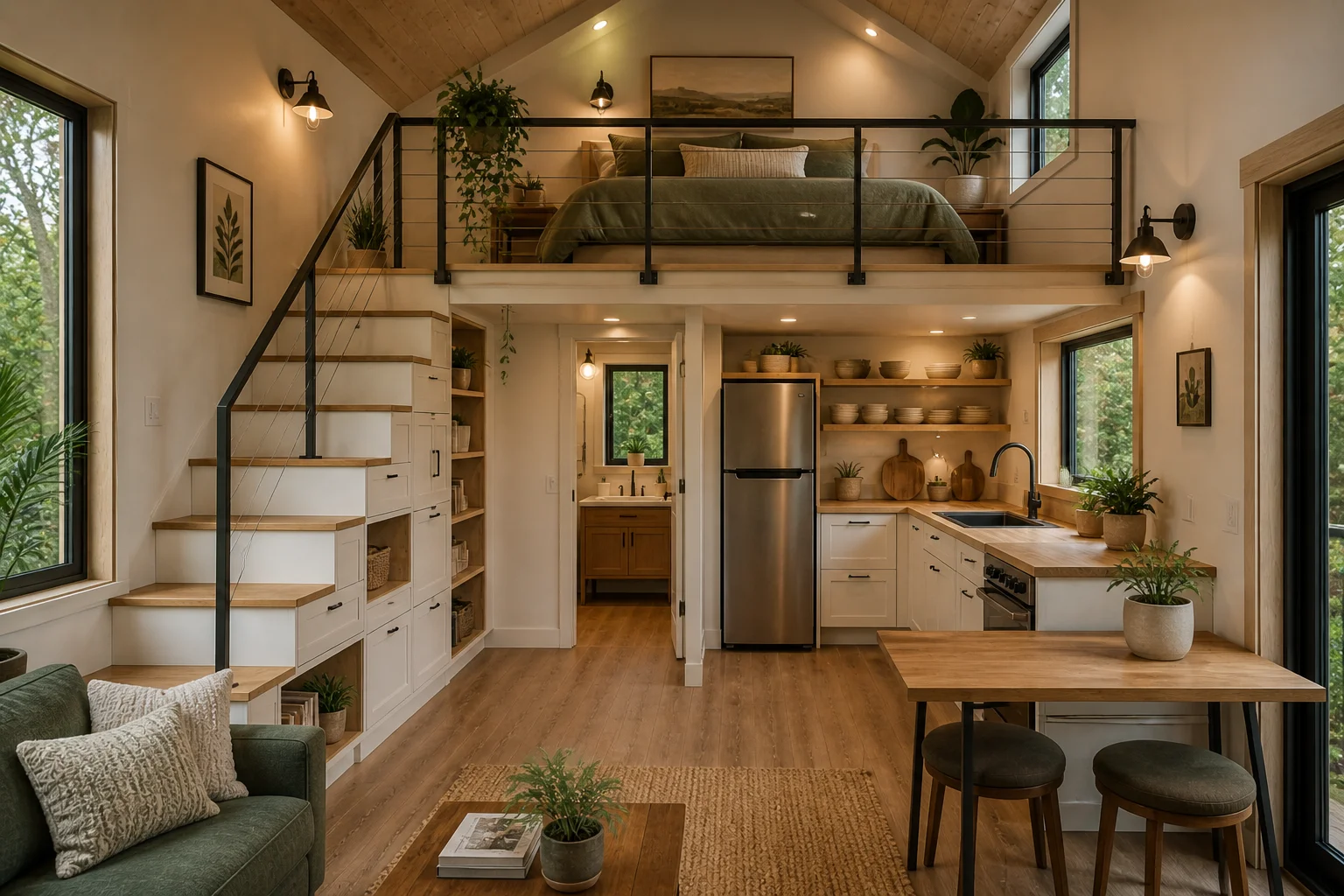
The best viral designs hide storage in:
- Staircases
- Benches
- Beds
- Kitchen kickboards
- Wall panels
- Fold-down tables
When storage is done right, clutter disappears.
And tiny living becomes way less stressful.
Flexible Furniture
Furniture that does one job feels outdated in tiny houses.
Now it’s all about flexibility.
Examples include:
- Sofas that become beds
- Fold-out dining tables
- Expandable desks
- Murphy beds
- Ottomans with storage
- Modular seating
This makes tiny homes usable instead of just visually appealing.
Warm Minimalism
Cold, sterile minimalism is fading.
People still want clean spaces—but with warmth.
That means:
- Oak wood finishes
- Soft neutral tones
- Cozy lighting
- Textured fabrics
- Plants
- Organic shapes
It feels modern without feeling robotic.
And honestly? That’s a much nicer place to live.
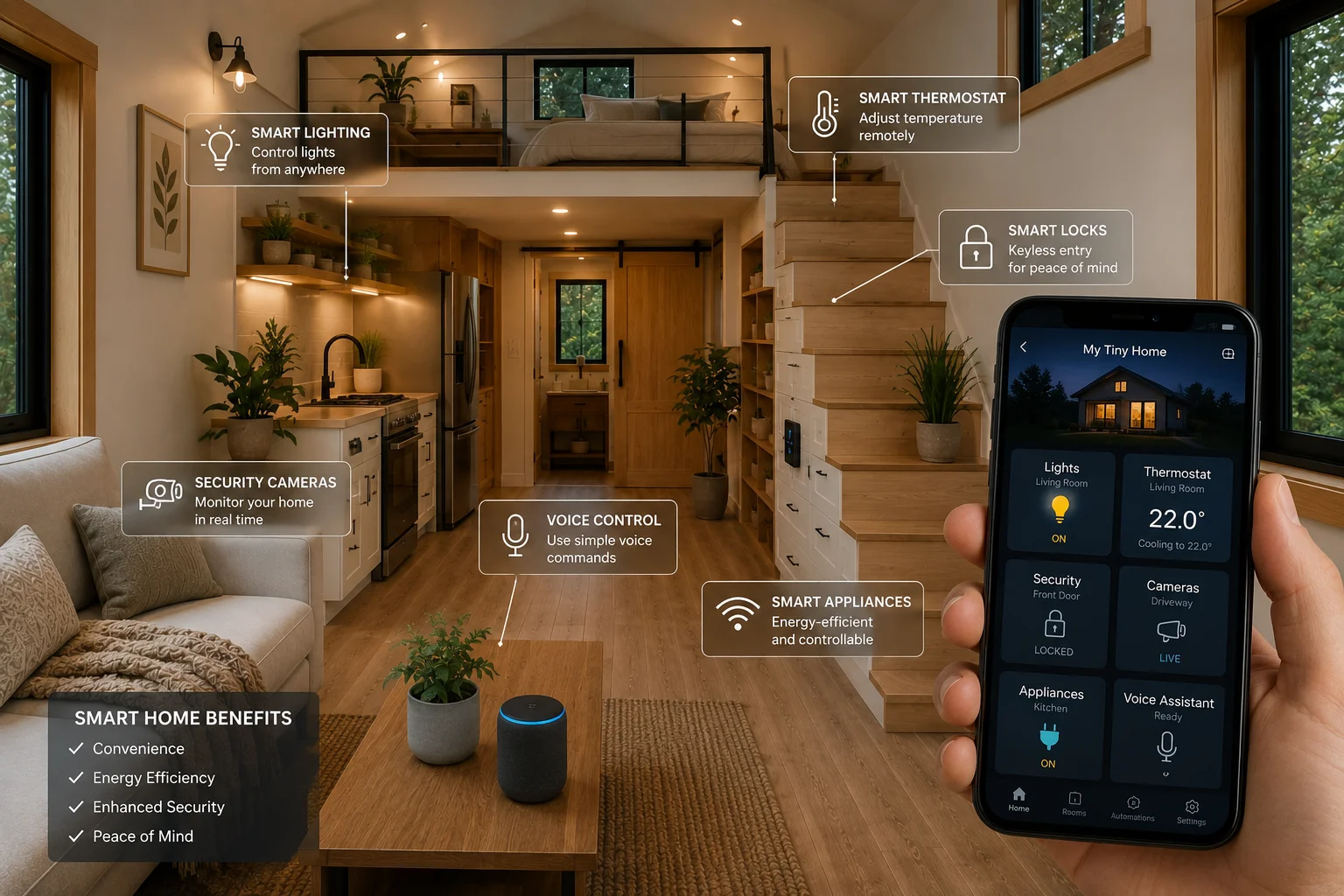
Smart Tiny Homes Are Becoming the Standard
Technology is playing a bigger role too.
The viral tiny house design of 2026 often includes smart upgrades like:
- App-controlled lighting
- Smart thermostats
- Security cameras
- Voice assistants
- Space-saving appliances
- Energy monitoring systems
- Solar integration
This matters because tiny living already asks you to be intentional.
Smart tech makes that easier.
Better efficiency.
Better comfort.
Less wasted energy.
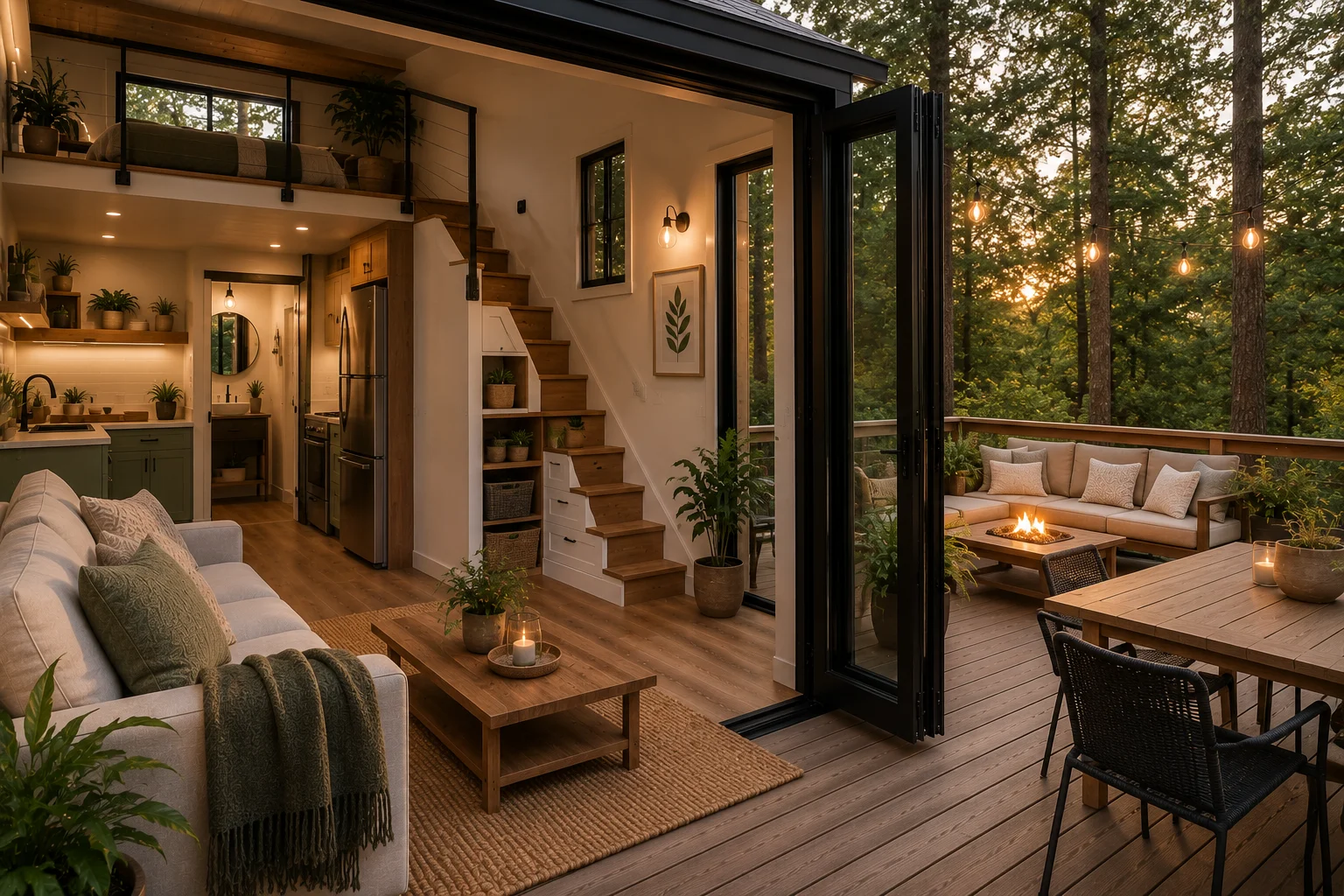
The Rise of Indoor-Outdoor Living
One reason these designs feel bigger than they are?
They blur the line between inside and outside.
This might include:
- Sliding glass doors
- Fold-open walls
- Small decks
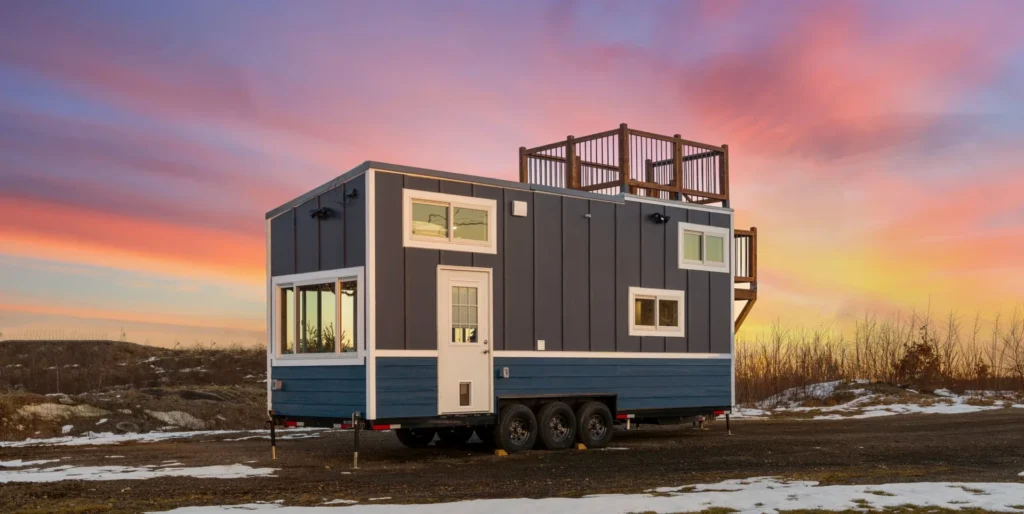
- Rooftop lounges
- Outdoor kitchens
- Covered patios
When your outdoor space becomes part of daily life, a tiny house feels much less tiny.
And if your home sits near nature?
Even better.
Why Younger Buyers Love This Trend
Millennials and Gen Z are driving a lot of this interest.
That’s not surprising.
These groups are dealing with:
- High housing costs
- Remote work flexibility
- Lifestyle-first priorities
- Less interest in oversized suburban homes
- Stronger focus on experiences over possessions
A giant house with empty rooms doesn’t feel like success to everyone anymore.
Freedom does.
Flexibility does.
A beautiful tiny home with lower costs? That’s attractive.
Tiny Houses Are Better Than Ever for Remote Work
A few years ago, working from a tiny house sounded difficult.
Now?
Designers are building with remote work in mind.
Popular additions include:
Fold-Down Workstations
A workspace when you need it.
Hidden away when you don’t.
Perfect.
Loft Offices
Some newer layouts use upper-level spaces as compact offices.
It keeps work separate from living areas.
Outdoor Work Zones
Deck workspace + good Wi-Fi = dream setup for some people.
Remote workers are helping fuel the tiny house boom because mobility matters more than ever.
Sustainability Is a Huge Part of the Appeal
A lot of buyers want homes with a smaller environmental footprint.
Tiny homes naturally help with that.
Less space means:
- Lower heating costs
- Lower cooling costs
- Less material used in construction
- Less waste
- Lower energy use
Many viral designs also include:
- Solar panels
- Composting toilets
- Rainwater collection
- Energy-efficient appliances
- Sustainable materials
For eco-conscious buyers, this checks a lot of boxes.
But Tiny Living Isn’t Perfect
Let’s keep it real.
Tiny house life looks amazing online.
Reality can be different.
Challenges include:
Limited Storage
Even with smart design, space is still limited.
If you love collecting things, tiny living may feel frustrating.
Privacy Issues
Living with a partner or family in a tiny home can get intense.
There’s not much room to disappear.
Zoning and Legal Rules
This is a big one.
Tiny house regulations vary depending on location.
Parking, hookups, building codes—it gets complicated fast.
Lifestyle Adjustment
Tiny living works best when you actually want simplicity.
If you’re forcing it because it looks trendy, you might hate it.
The design helps—but mindset matters.
Is This Tiny House Trend Here to Stay?
Probably, yes.
Will this exact viral design stay dominant forever?
Probably not.
Design trends always evolve.
But the bigger movement behind it feels solid.
People want:
- Affordable housing options
- More intentional living
- Flexible lifestyles
- Lower expenses
- Better design
That demand isn’t going away anytime soon.
Tiny homes are becoming less of a niche idea and more of a mainstream housing conversation.
What Makes a Tiny House Truly Go Viral?
Looks matter.
But functionality matters more.
The tiny homes people obsess over in 2026 succeed because they solve real-life problems while still looking incredible.
That’s the sweet spot.
A viral tiny house design usually offers:
- Smart use of space
- Beautiful natural lighting
- Flexible layouts
- Warm modern interiors
- Energy efficiency
- Lifestyle freedom
People aren’t just admiring these homes.
They’re imagining themselves living in them.
And that’s why this trend keeps exploding.
Final Thoughts
This tiny house design is going viral in 2026 because it hits the perfect balance between style and practicality.
It feels modern without being cold.
Small without feeling cramped.
Affordable without feeling cheap.
That combination is hard to ignore.
If tiny living has ever crossed your mind, now’s probably the time you’ll find yourself seriously considering it.
Because once you see how smart these designs have become…
It’s hard not to.