

The Dream of Living Without Monthly Utility Bills
Imagine opening your mailbox and not seeing electric bills, water charges, or gas invoices waiting for you. Sounds pretty good, right? That’s one of the biggest reasons people are getting excited about off-grid tiny homes.
An off-grid lifestyle requires a home to operate without any connection to public utility services. Your system provides all necessary energy and water resources while also managing waste without needing any city utilities. When you combine this with a tiny home solution, you achieve a budget-friendly living arrangement that provides both adaptability and greater ease than standard urban living.
>People save money through this solution but their main goal remains to achieve financial independence. People desire to achieve freedom which includes moving away from expensive things and spending more time in nature and building their own lifestyles.
>People need to prepare their lives even when they want to experience life without paying monthly utility bills. Off-grid systems become most effective through complete knowledge about required items, their complete expense and all methods to establish dependable systems.
Let us analyze every component.
What Is an Off-Grid Tiny Home?
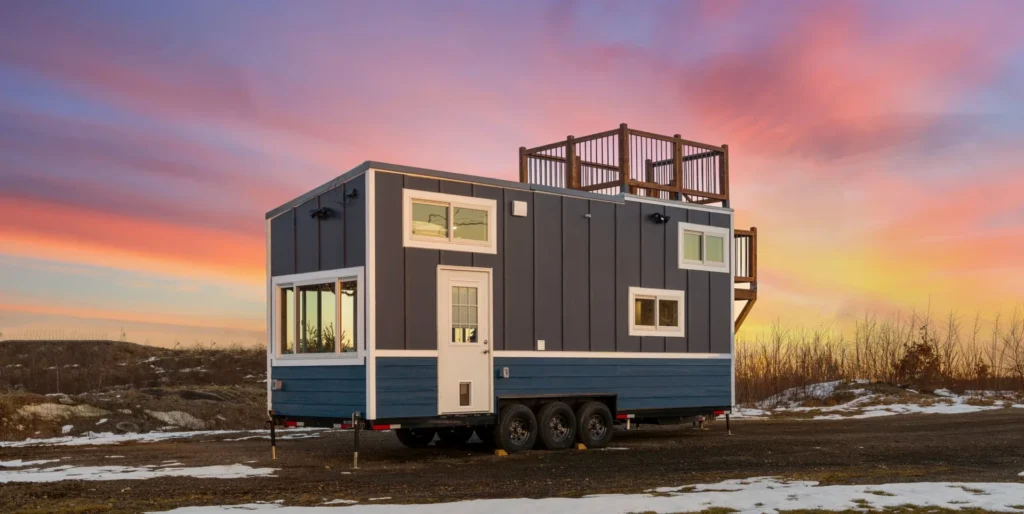
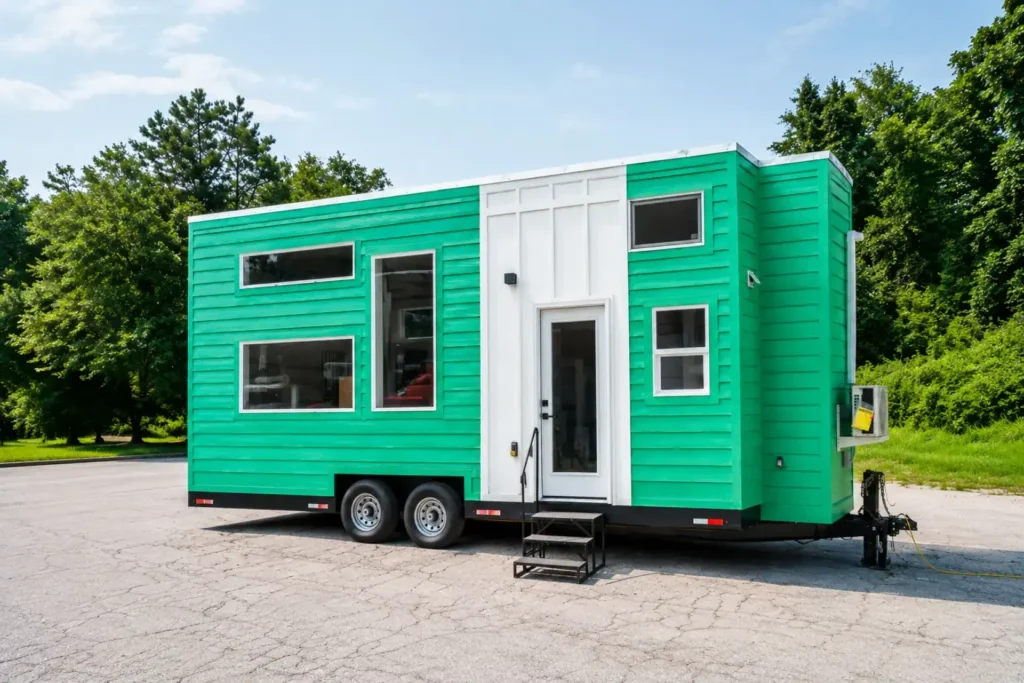
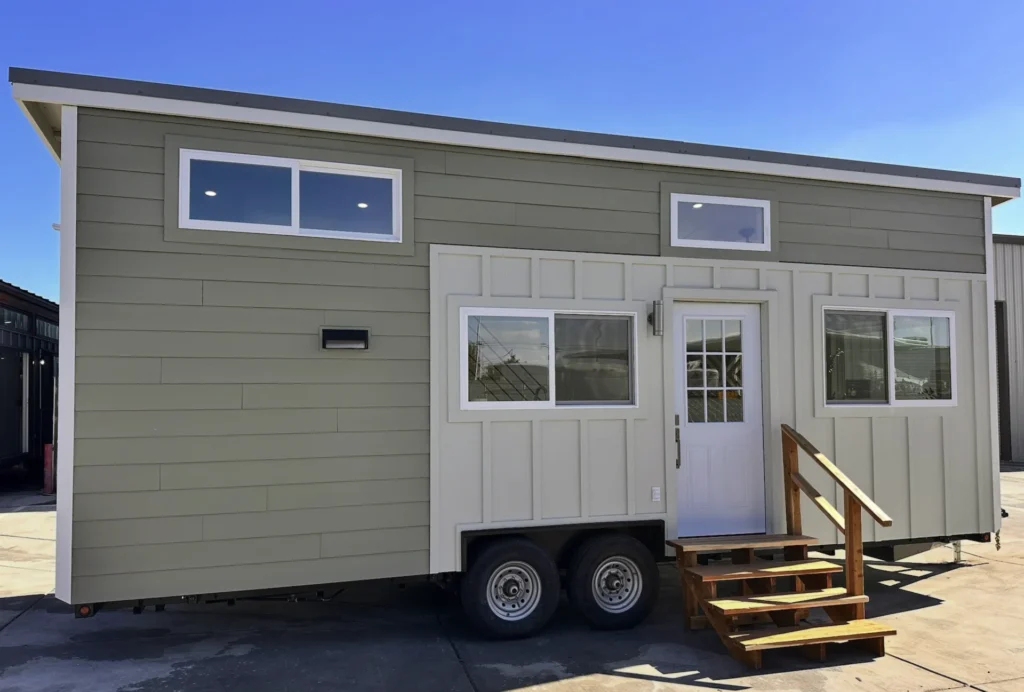
The off-grid tiny home functions as a small house which operates completely independent from all standard utility services that include
- Electricity from the power grid
- Municipal water systems
- Sewer connections
- Natural gas lines
The home operates its complete power system through
- Solar panels for electricity
- Battery storage for backup power
- Rainwater collection or water tanks
- Composting toilets
- Greywater systems
- Propane appliances or all-electric alternatives
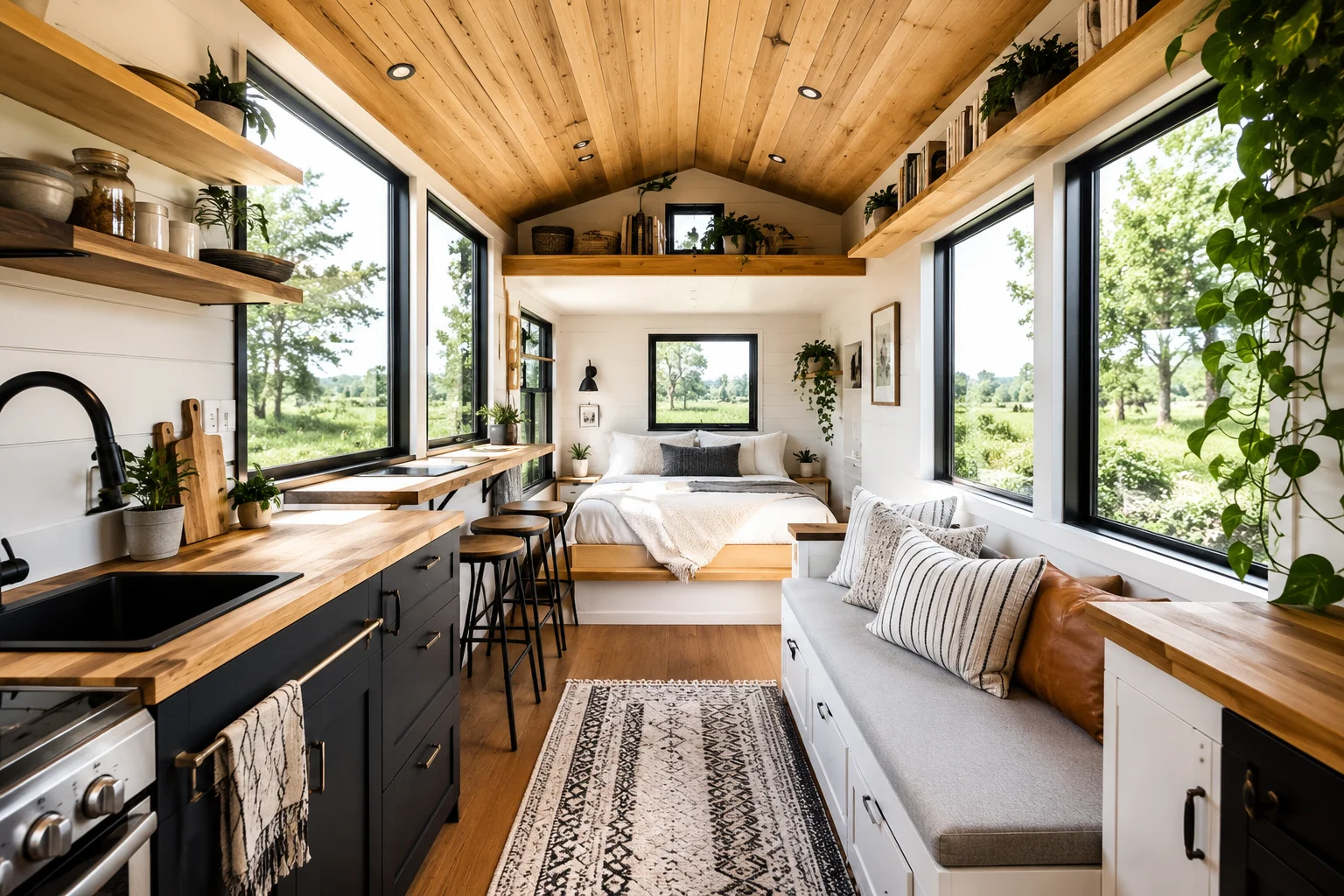
Tiny homes provide an excellent solution for off-grid living because they operate with significantly lower energy and water requirements than standard homes. Heating or cooling 250 square feet is a whole different story compared to maintaining a 2,500-square-foot home.
That smaller footprint makes off-grid life much more practical.
Why More People Are Choosing Off-Grid Tiny Living
There’s a reason this lifestyle keeps growing in popularity.
Lower Monthly Costs
The obvious win is fewer recurring bills.
The traditional house has monthly costs for electricity and water and sewer and gas and trash pickup and HOA fees.
An off-grid tiny home eliminates most of those expenses completely.
The monthly costs decrease significantly although you must pay for internet and propane refills and maintenance work.
The main benefit of off-grid living allows people to choose their living locations without restrictions.
If your home doesn’t need utility hookups, you’re not limited to expensive neighborhoods or crowded developments.
That opens the door to:
- Mountain properties
- Desert land
- Forest settings
- Rural acreage
- Remote vacation spots
For people who want privacy, adventure, or a stronger connection with nature, that’s a big deal.
A Simpler Lifestyle
Tiny living naturally encourages you to own less stuff.
Off-grid living adds another layer of intentional living because every resource matters.
You become more aware of:
- How much power you use
- How much water you consume
- What appliances actually matter
- What daily habits waste resources
A lot of people say this makes life feel less chaotic and more meaningful.
How Off-Grid Tiny Homes Get Electricity
Electricity is usually the first thing people worry about.
The good news? Modern off-grid power systems are much better than they used to be.
Solar Power
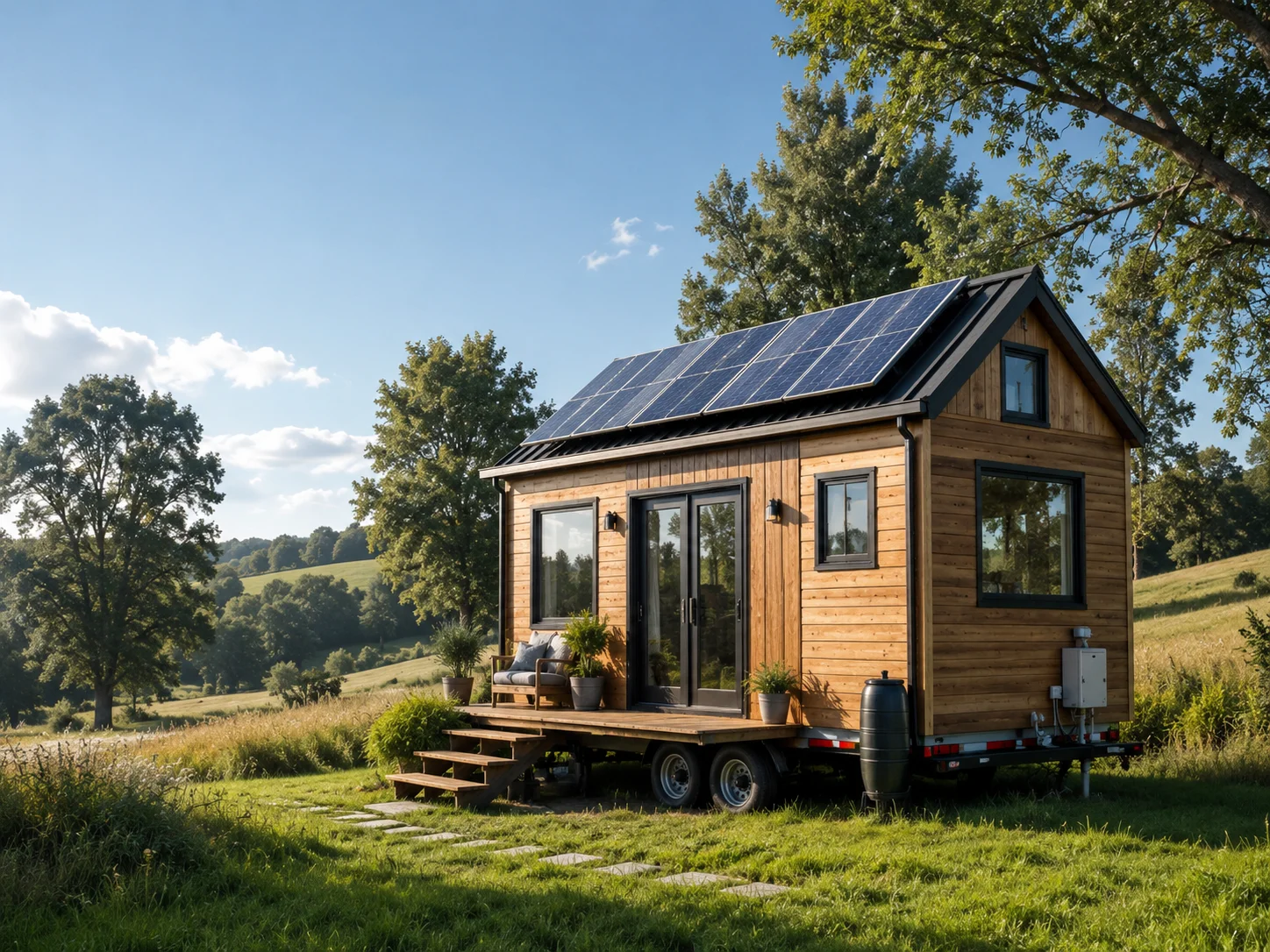
Solar is the most common power source for off-grid tiny homes.
The common installation consists of:
- Solar panels
- Charge controller
- Inverter
- Battery bank
The process operates as follows:
Solar panels collect sunlight and turn it into electricity. That energy gets stored in batteries so you can use it at night or on cloudy days.
For a tiny home, solar often works surprisingly well because energy needs are lower.
Common solar-powered items:
- LED lights
- Laptop chargers
- Refrigerator
- Small washing machine
- Water pump
- Ceiling fans
- Wi-Fi router
- Battery Storage
Without batteries, solar would only work when the sun is shining.
Battery storage keeps your home powered around the clock
Common battery types include:
- Lithium batteries
- AGM batteries
- Gel batteries
Lithium batteries require higher initial expenses but provide extended lifespan and superior performance.
Backup Generators
Solar systems require backup power sources during certain situations.
Generators provide power support during:
- Extended periods of overcast conditions
- Increased energy consumption during winter months
- Unforeseen power outages
It should function as your backup system while you maintain other power sources.
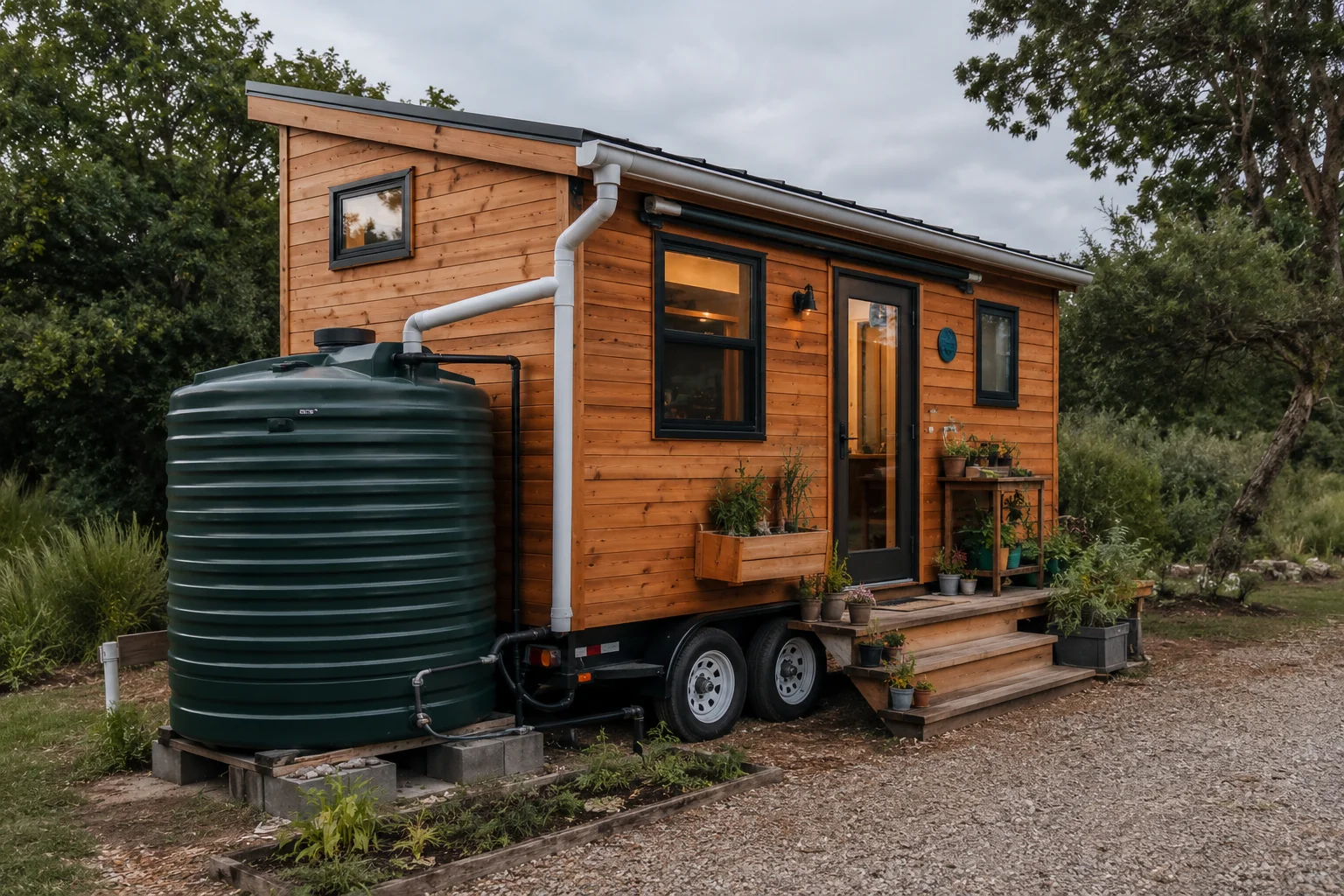
Off-Grid Tiny Homes Need Water Systems
Water independence is just as important as electricity.
Tiny homes that operate off the power grid use three main methods to manage their water resources.
Rainwater Collection
This is one of the most popular options.
Rainwater gets collected from the roof and stored in tanks.
The system often includes:
- Gutters
- Filters
- Storage tanks
- Water pump
- Purification system
Depending on your climate, this can provide a large chunk of your water needs.
Freshwater Storage Tanks
Some owners use refillable water tanks instead.
Water can be delivered or hauled in when needed.
This setup is simpler in dry climates where rain collection isn’t practical.
Wells
If your land allows it, a private well can be an amazing long-term solution.
Benefits include:
- Reliable water supply
- Lower ongoing costs
- Greater independence
The downside is installation cost, which can be significant depending on depth and location.
Waste Management Without Sewer Connections
This part scares people at first, but it’s more manageable than most expect.
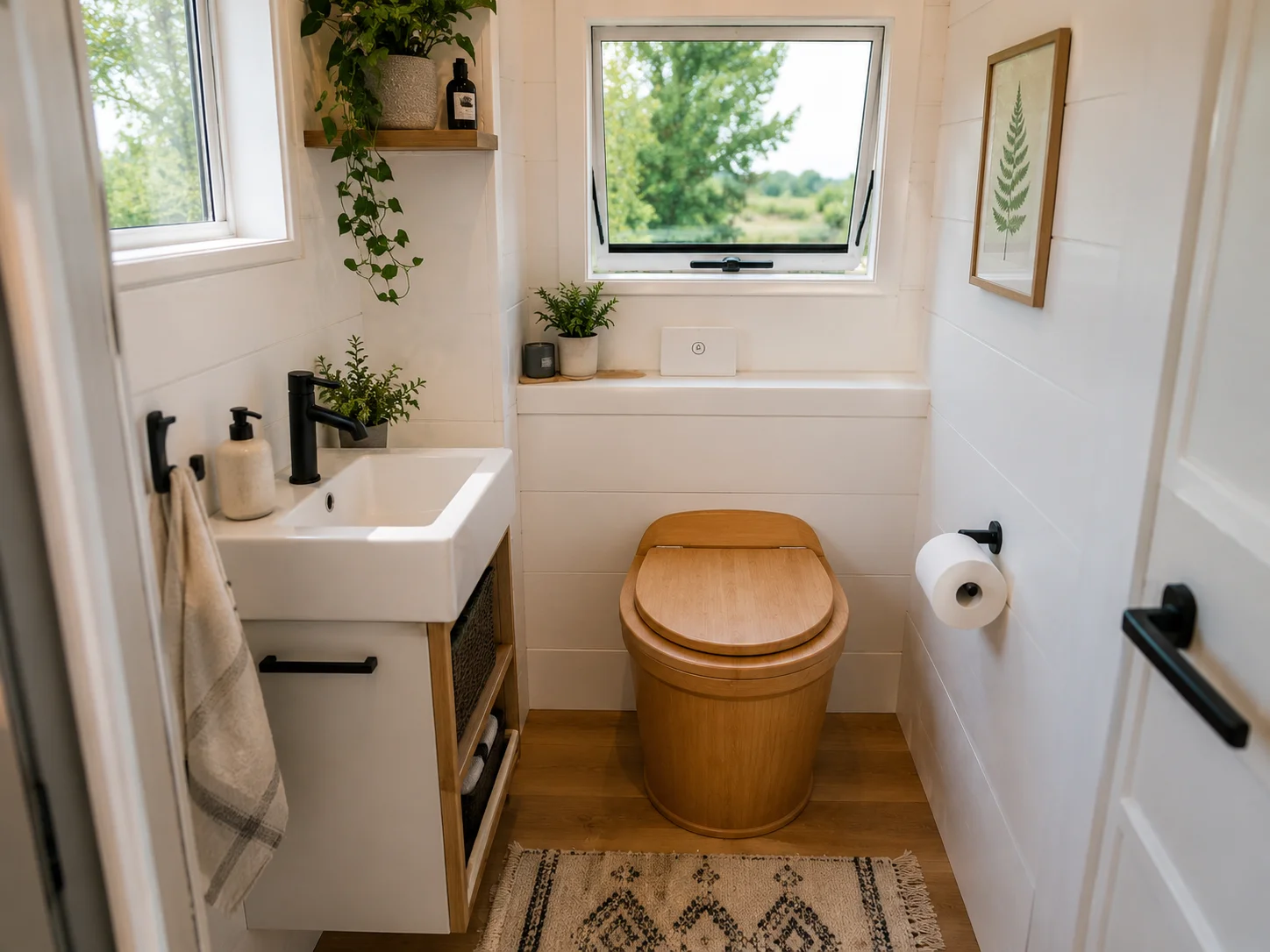
Composting Toilets
Composting toilets are a common off-grid solution.
They:
- Use little or no water
- Break waste down naturally
- Reduce dependency on septic systems
Modern versions are cleaner and easier to maintain than people assume.
Incinerating Toilets
These burn waste into sterile ash.
They’re convenient but often use more energy.
Septic Systems
If your property allows it, a traditional septic system may still be an option.
That gives you a more familiar setup while staying off-grid.
Greywater Systems
Greywater comes from:
- Showers
- Bathroom sinks
- Laundry
This water can sometimes be filtered and reused for irrigation, depending on local rules.
Heating and Cooling an Off-Grid Tiny Home
Because tiny homes are small, temperature control is much easier.
Heating Options
Popular heating choices include:
- Propane heaters
- Mini wood stoves
- Electric mini-splits
- Diesel heaters
Wood stoves are cozy, but they need ventilation and regular fuel.
Mini-splits are efficient if your solar setup can handle them.
Cooling Options
Keeping cool is often easier than people expect.
Smart strategies include:
- Ceiling fans
- Reflective roofing
- Good insulation
- Cross ventilation
- Window placement
- Shade trees
Energy-efficient mini-splits can also work well.
Internet and Staying Connected
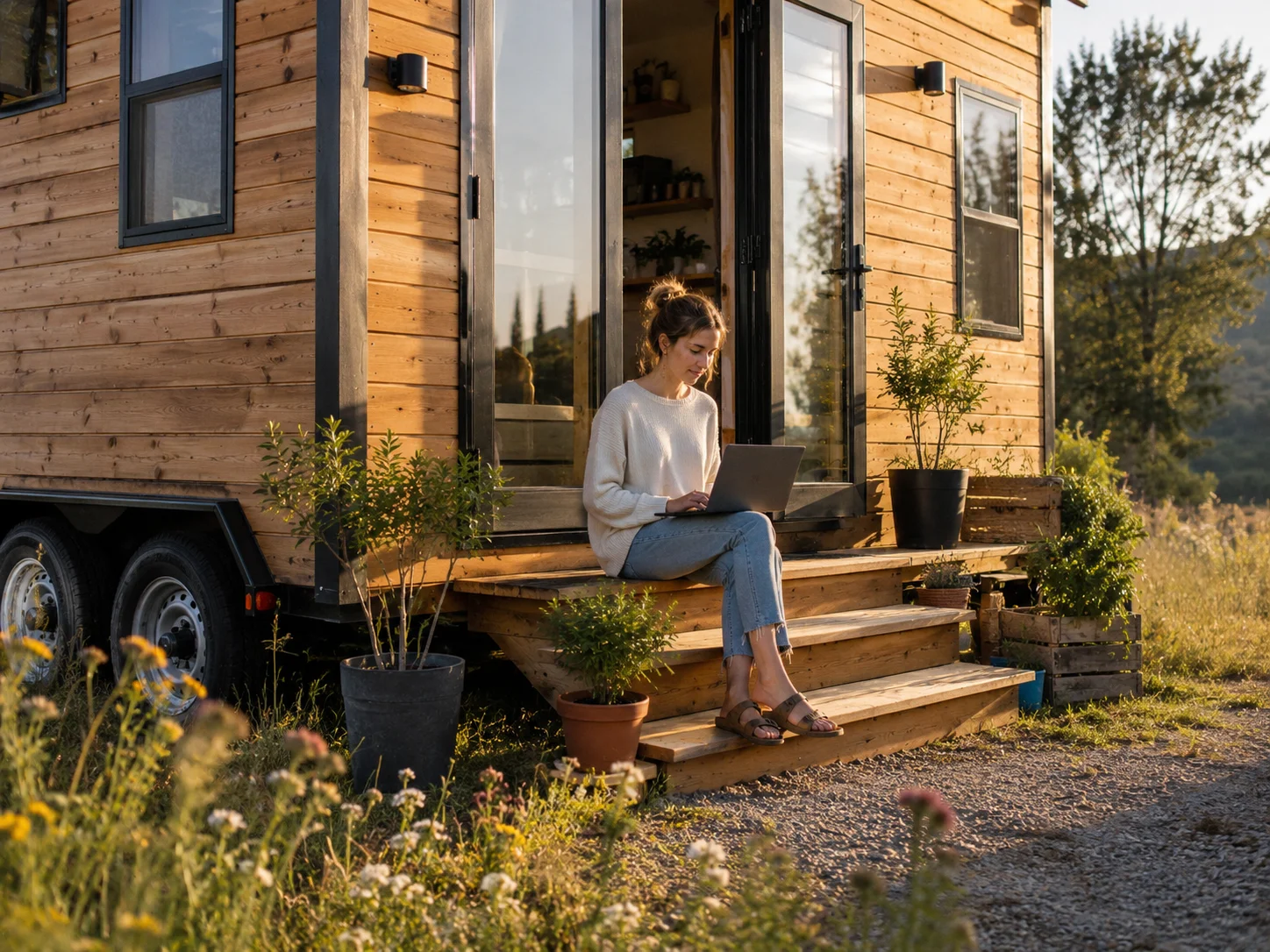
Living off-grid doesn’t mean disappearing from modern life.
Many people work remotely from off-grid homes.
Internet options include:
- Starlink
- Mobile hotspots
- Cellular routers
- Fixed wireless internet
Reliable internet makes off-grid living much more realistic for digital workers.