

What Is Tiny House Living, Really?
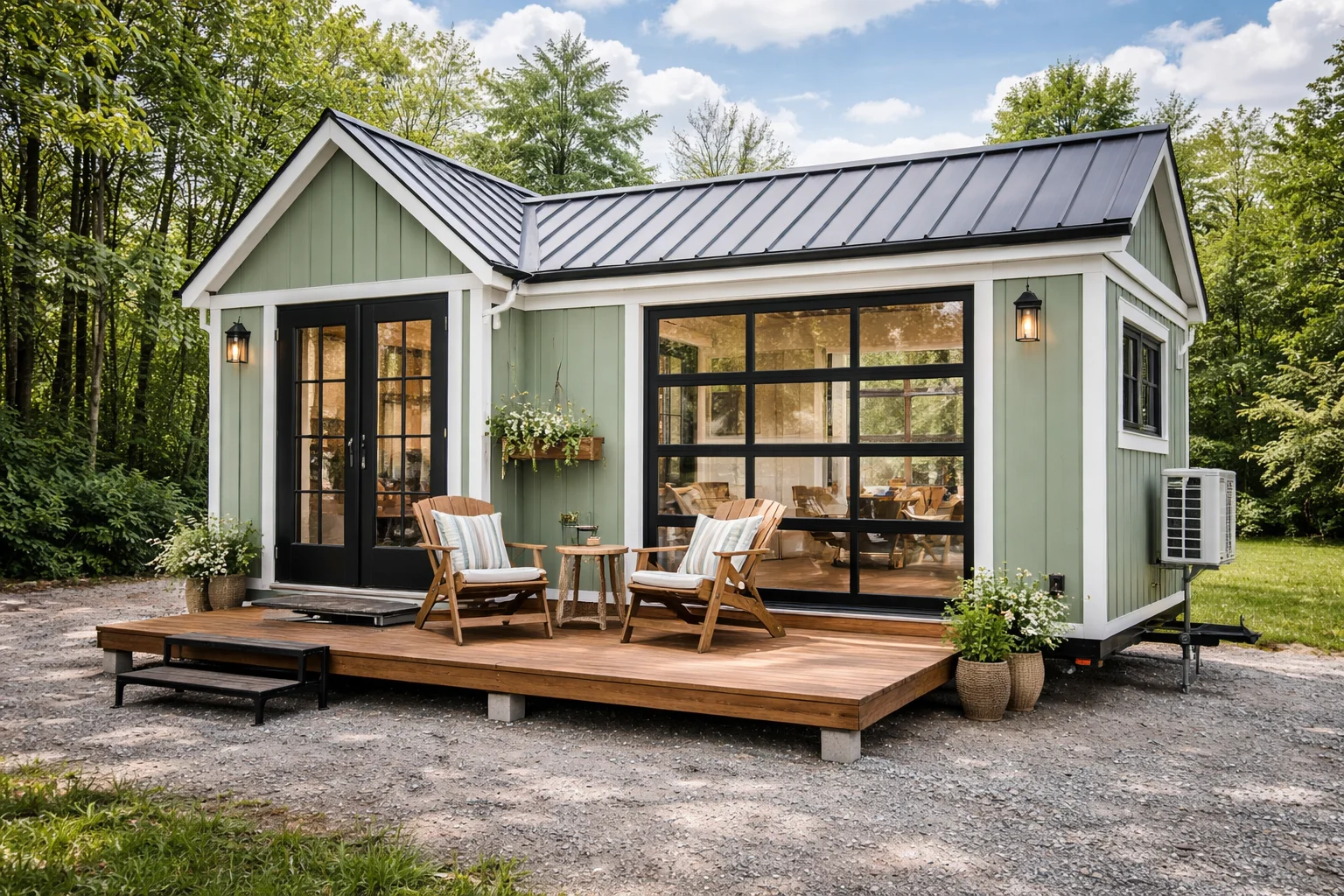
Tiny house living is exactly what it sounds like living in a much smaller home than what most people are used to. We’re talking about homes that are usually under 400 square feet. Some are built on wheels, others sit on a small foundation, but they all share the same idea: less space, less stuff, more freedom.
People don’t choose this lifestyle just because it looks cute on Instagram (although it definitely does). Most are chasing something bigger than square footage like financial freedom, a simpler life, or the ability to move around easily.
Think of it like this: instead of spending your time cleaning, organizing, and paying for a big house, you focus on what actually matters to you.
Why So Many People Are Switching to Tiny Homes
There’s a reason tiny houses are everywhere right now. Once you start looking into it, it’s easy to see why people fall in love with the idea.
Lower Costs, Less Stress
Tiny homes cost way less than traditional houses. That means smaller mortgages or no mortgage at all. Lower utility bills, fewer repairs, and less maintenance also make a big difference.
Freedom to Move
If your home is on wheels, you’re not stuck in one place. Want to wake up near the mountains? Or spend a few months by the beach? You can actually do that.
Simpler Lifestyle
Living in a tiny house forces you to cut down on clutter. You keep what you really need and love. Everything has a purpose.
Eco-Friendly Living
Tiny homes use fewer materials to build and less energy to run. If you care about your environmental footprint, this lifestyle makes it easier to live greener.
Is Tiny House Living Right for You?
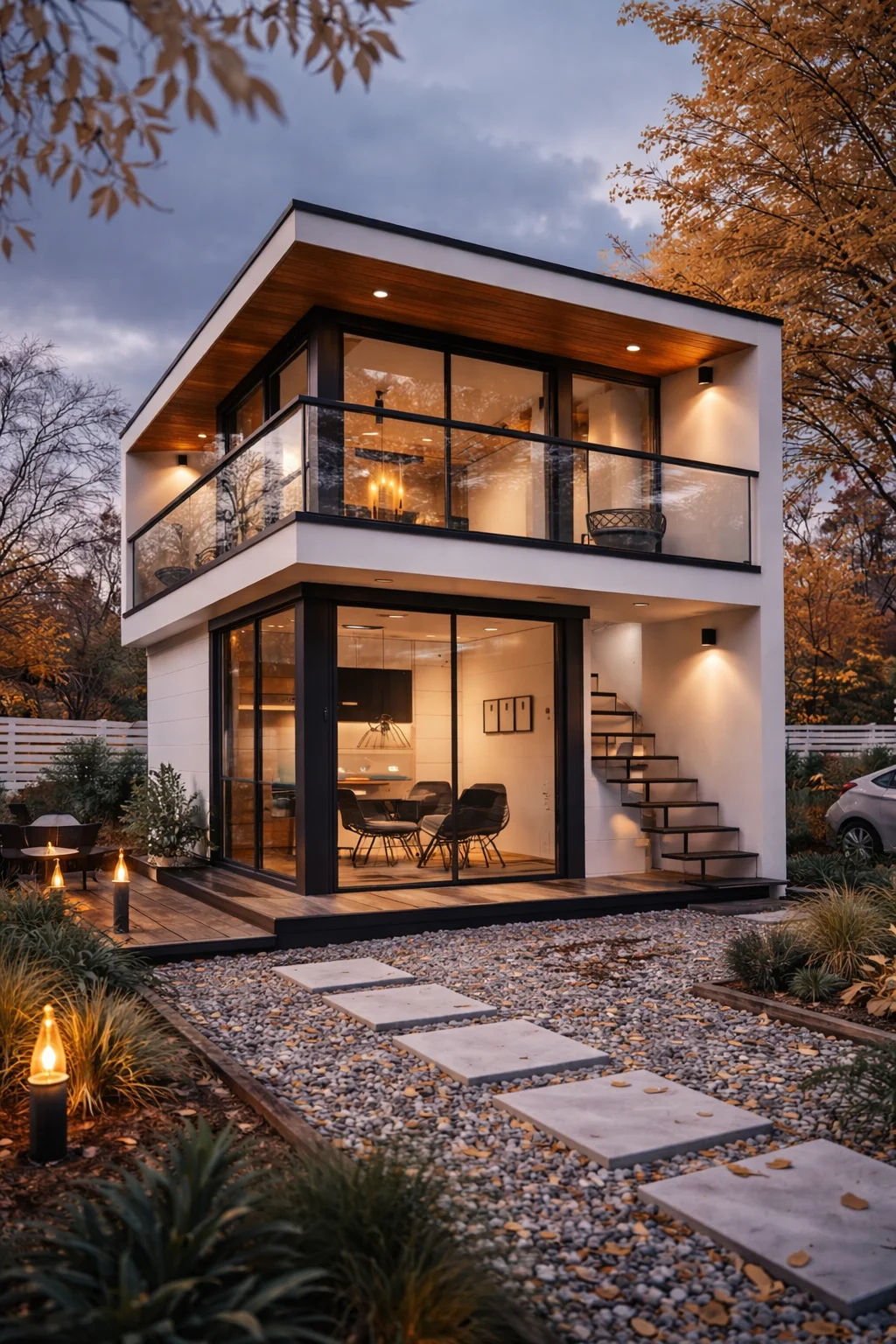
The reality of tiny living requires people to test their ability to handle it because it does not suit everyone.
- You should consider this approach when you:
- You want to practice minimalism or you want to start minimalism
- You have no problem with living in compact areas
- You choose to experience life rather than acquire material possessions
- Your goal is to achieve financial savings or to prevent financial debt
It might be challenging if you:
- The situation will be difficult because your personal space needs exceed what you require.
- The situation will be difficult when your needs exceed what one person can provide.
- The situation will be difficult because you are passionate about your collection of items.
- The situation will be difficult because you need to work from home but lack an appropriate workspace.
- The situation will be difficult because you need to work from home but lack an appropriate workspace.
- The situation will be difficult because your needs exceed the capacity of one person.
A good way to test it? Try staying in a tiny house rental for a few days. You’ll quickly get a feel for whether it fits your lifestyle.
Types of Tiny Houses You Should Know
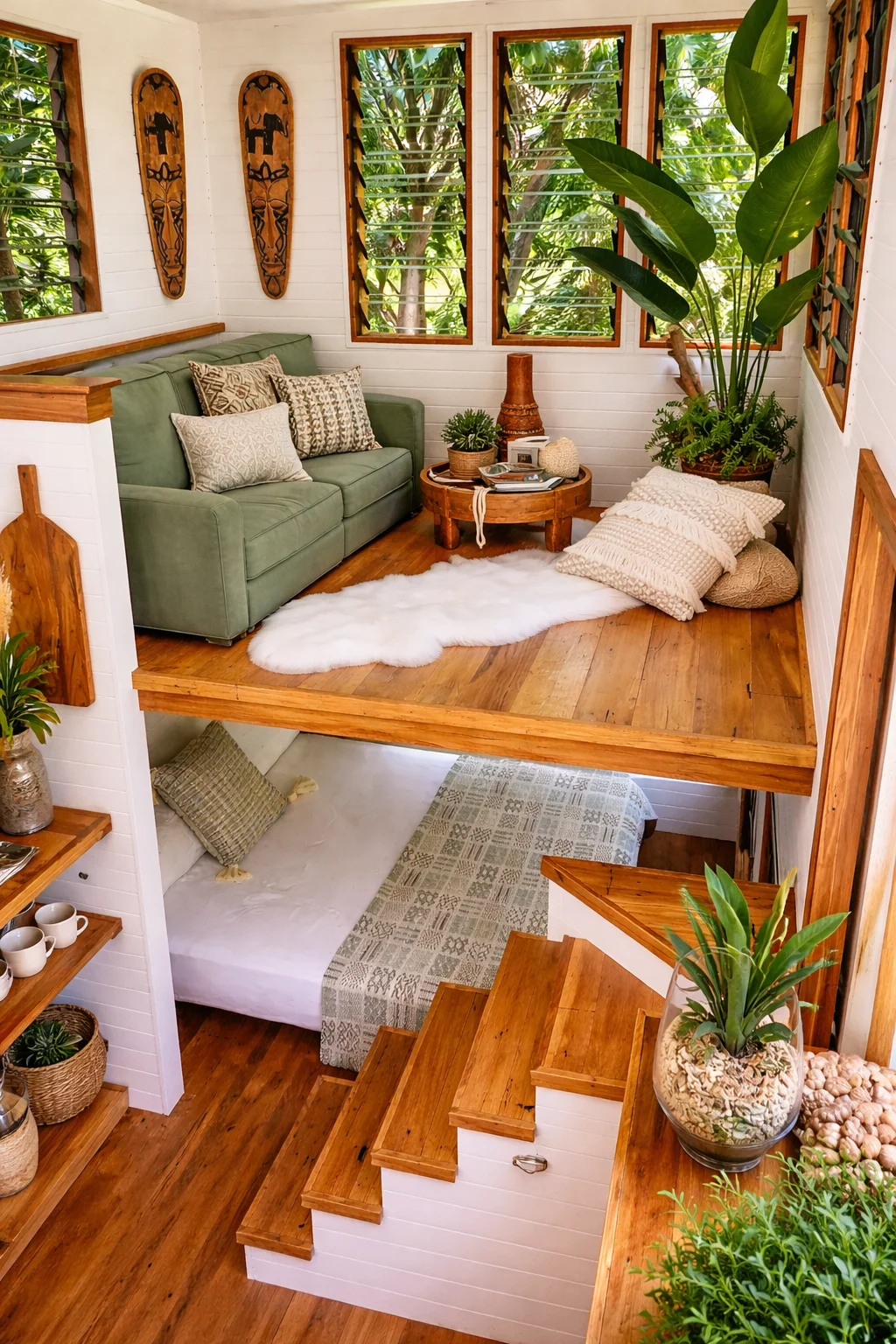
Not all tiny homes are the same. Here are the most common types you’ll come across:
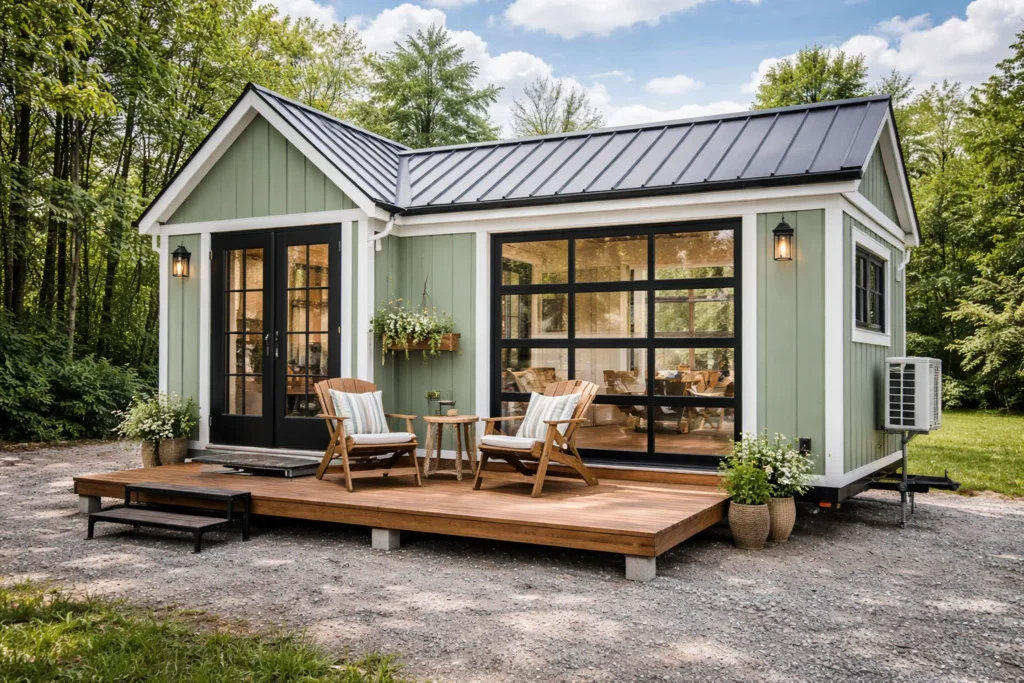
Tiny Houses on Wheels (THOWs)
These are built on trailers, so you can tow them wherever you want. They’re popular for people who love traveling or want flexibility.
Foundation Tiny Homes
These sit on land just like a regular house. They provide better financial stability which makes them easier to obtain funding.
Shipping Container Homes
These structures use recycled containers to create a building design that combines modern elements with industrial aesthetics while maintaining exceptional stability.
Converted Spaces
People use vans and buses and sheds as their most affordable housing solution.
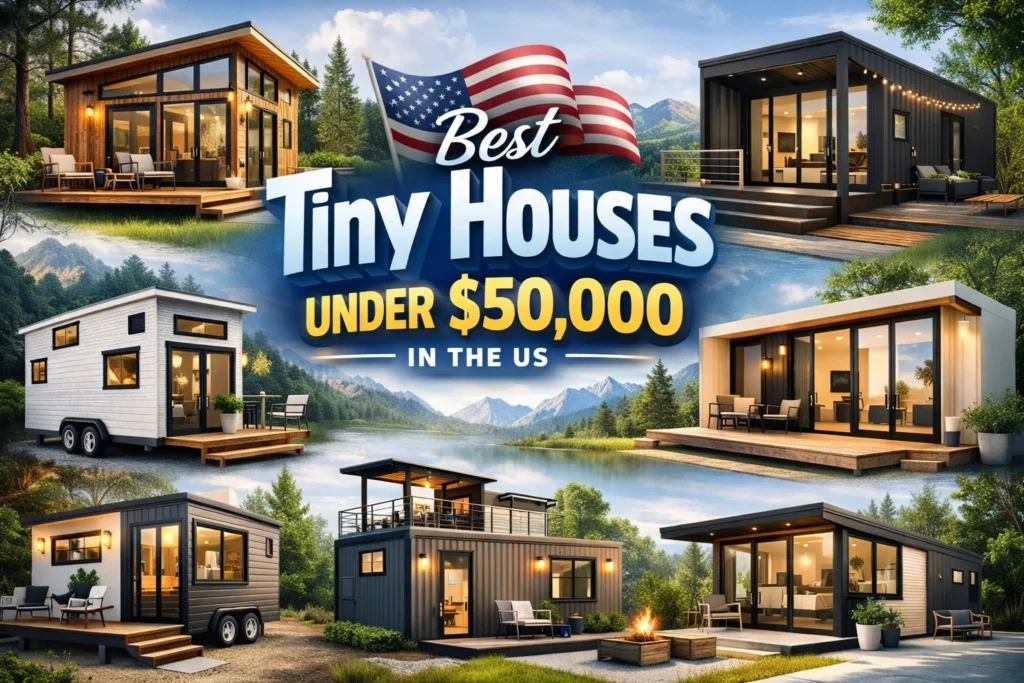
How Much Does a Tiny House Cost?
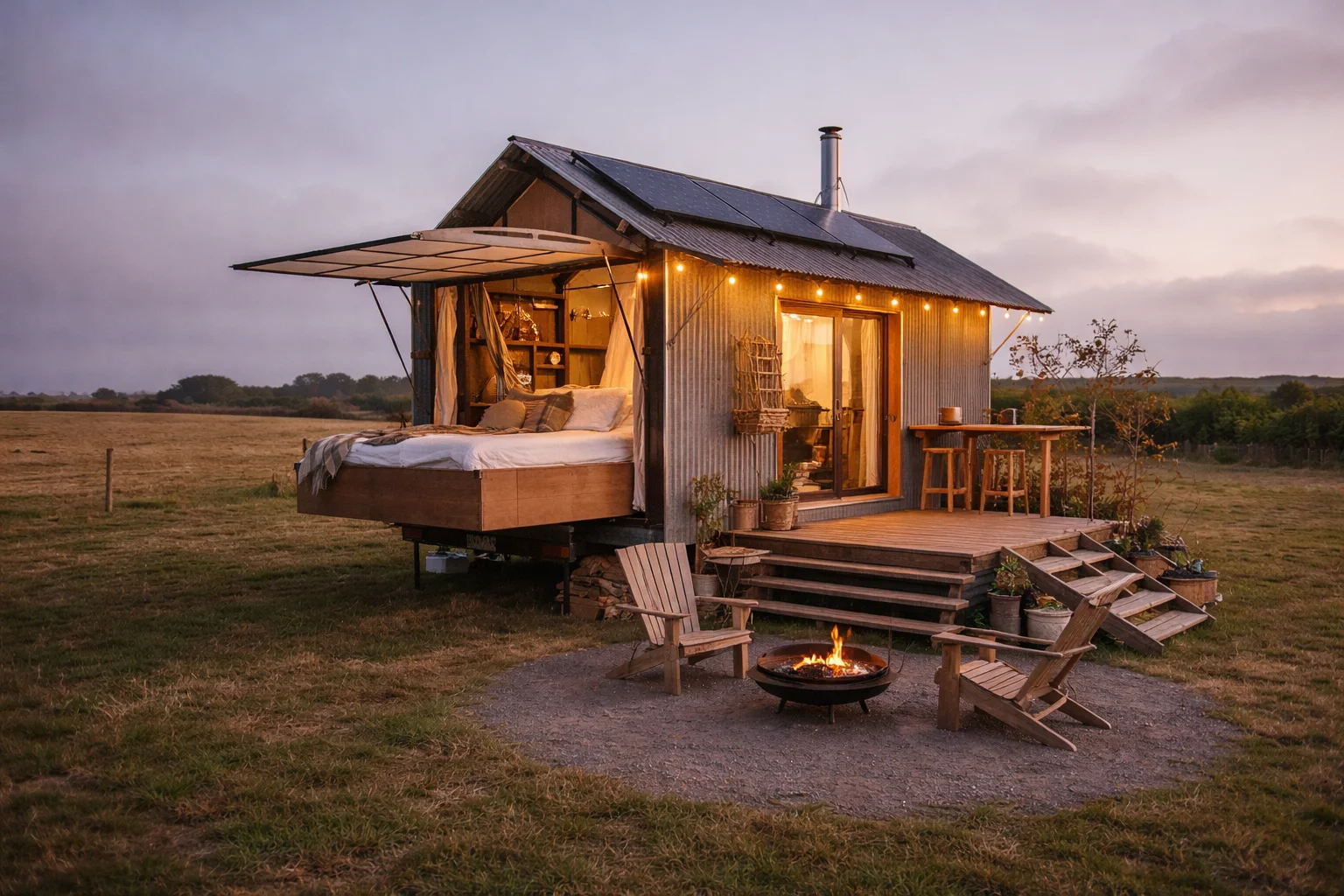
Let’s talk numbers, because this is a big reason people get interested.
- The cost of a DIY tiny house ranges from €10,000 to €40,000.
- The cost of a professionally built tiny house starts at €50,000 and goes up to €120,000.
- The price of luxury tiny homes starts at €150,000 and goes higher.
The total cost of a project depends on three factors which are size and used materials and desired level of decoration.
Need to consider these additional expenses:
- You need to acquire land or parking space.
- You need to pay for water and electricity and internet services.
- You need to budget for all required permits and associated legal expenses.
Tiny homes remain significantly more affordable than traditional housing even after all costs are added up.
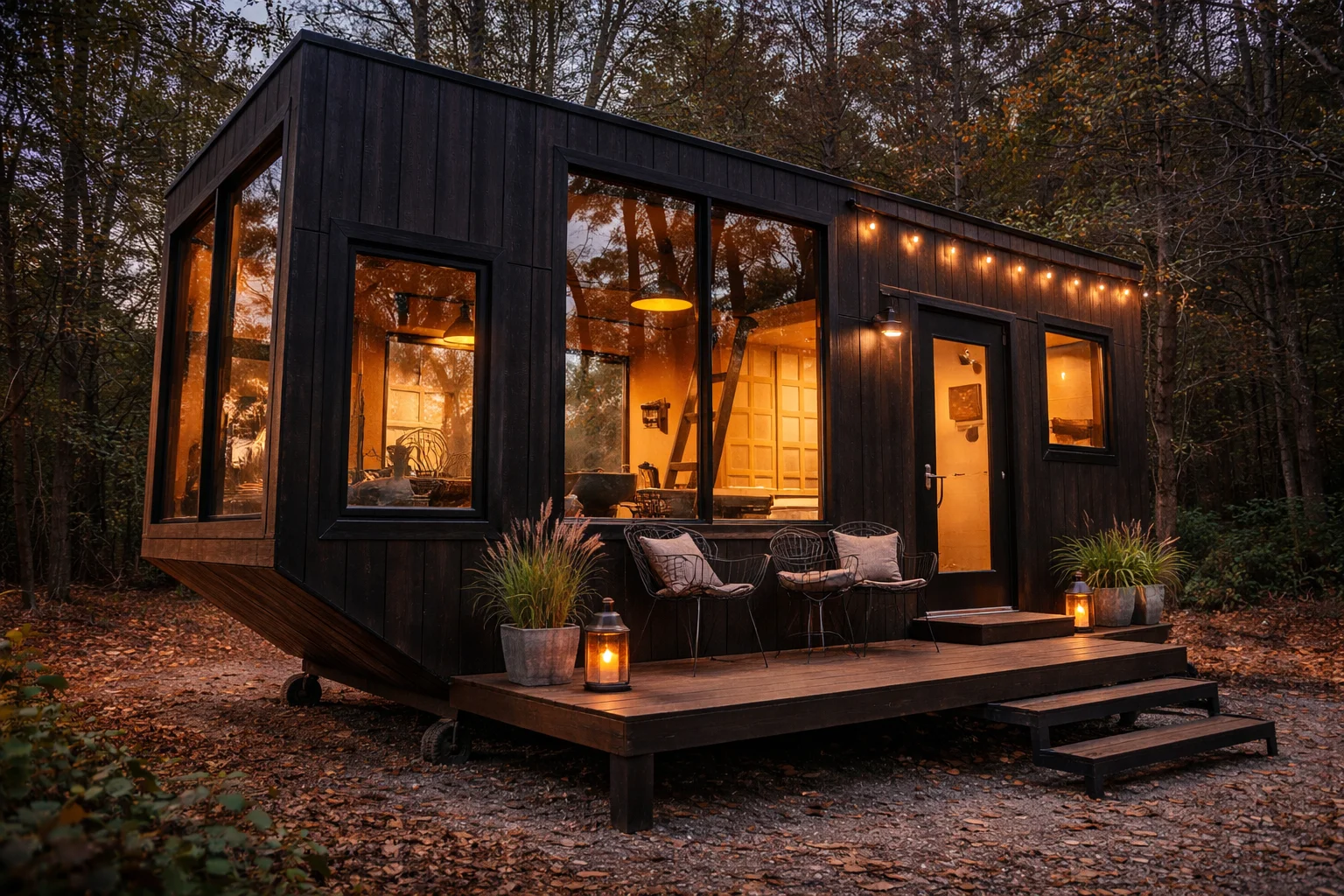
Where Can You Park or Build a Tiny House?
This location represents the most difficult aspect to navigate.
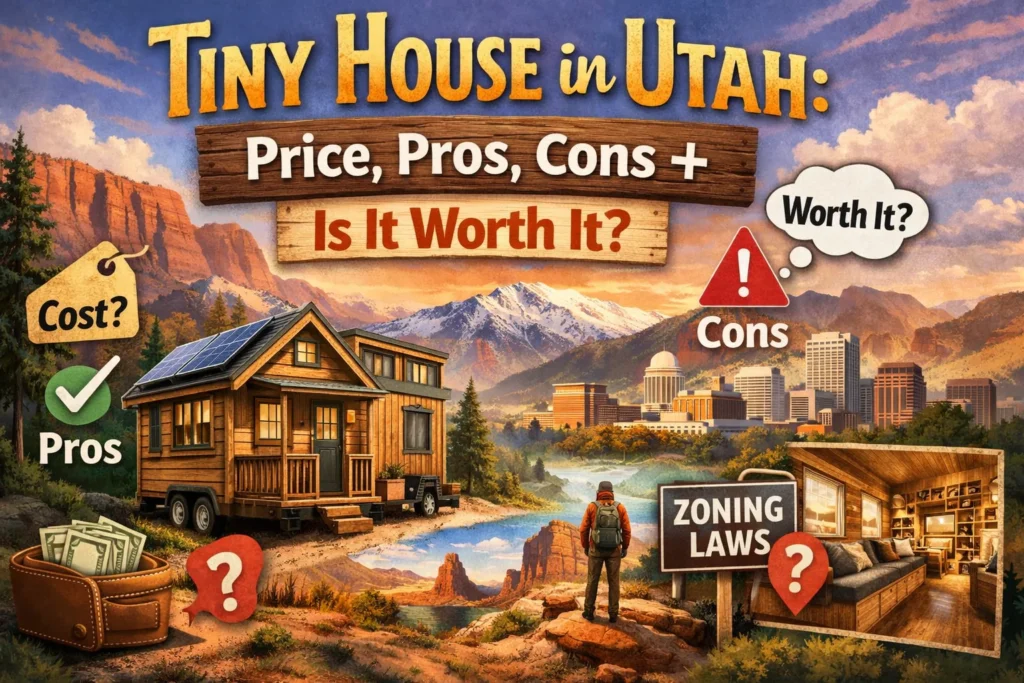
Residents in different locations face distinct rules which experience rapid changes. Some areas are super tiny-house-friendly, while others have strict zoning laws.
Common options include:
- Private land (your own or rented)
- Tiny house communities
- RV parks (for homes on wheels)
- Backyard setups (like an ADU—Accessory Dwelling Unit)
Before you buy or build anything, check local regulations. It can save you a lot of headaches later.
Designing a Tiny House That Actually Works
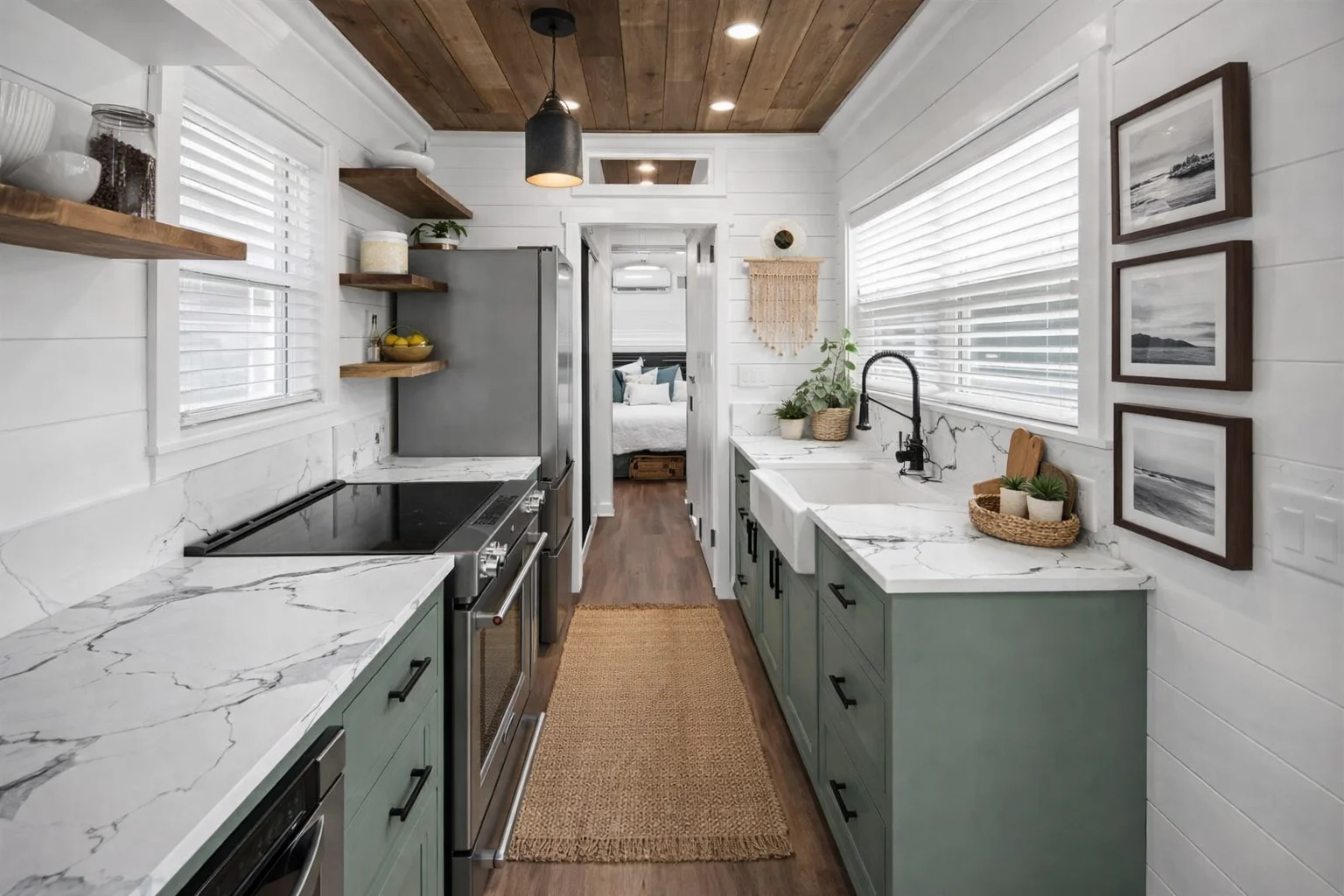
Design matters way more in a tiny house than in a regular one. Every inch counts.
Smart Storage Is Everything
Hidden storage is your best friend—think stairs with drawers, beds with compartments, and fold-out furniture.
Multi-Use Spaces
Your living room might also be your dining area. Your desk might fold into the wall. Flexibility is key.
Vertical Space
Lofts are super common. They free up space below for living areas.
Light Makes a Huge Difference
Big windows can make a tiny space feel much bigger. Natural light changes everything.
Daily Life in a Tiny House
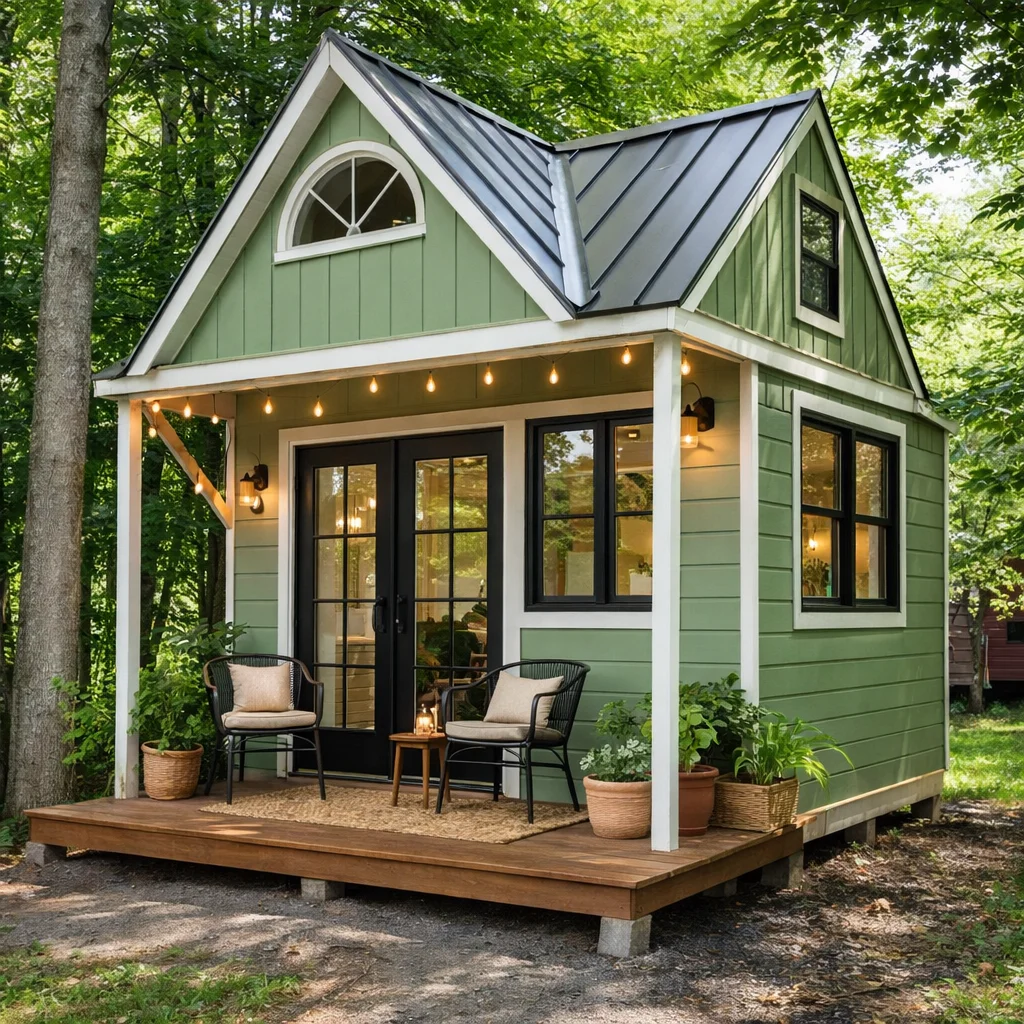
Living tiny changes your daily routine more than you might expect.
You become more mindful of:
- What you buy
- How you use space
- How you organize your day
Cleaning takes minutes instead of hours. Bills are smaller. Life feels a bit more intentional.
That said, you’ll need to adjust:
- Cooking in a smaller kitchen
- Limited storage for clothes
- Sharing space (if you’re not living alone)
It’s a trade-off, but many people say it’s worth it.
Common Challenges (And How to Handle Them)
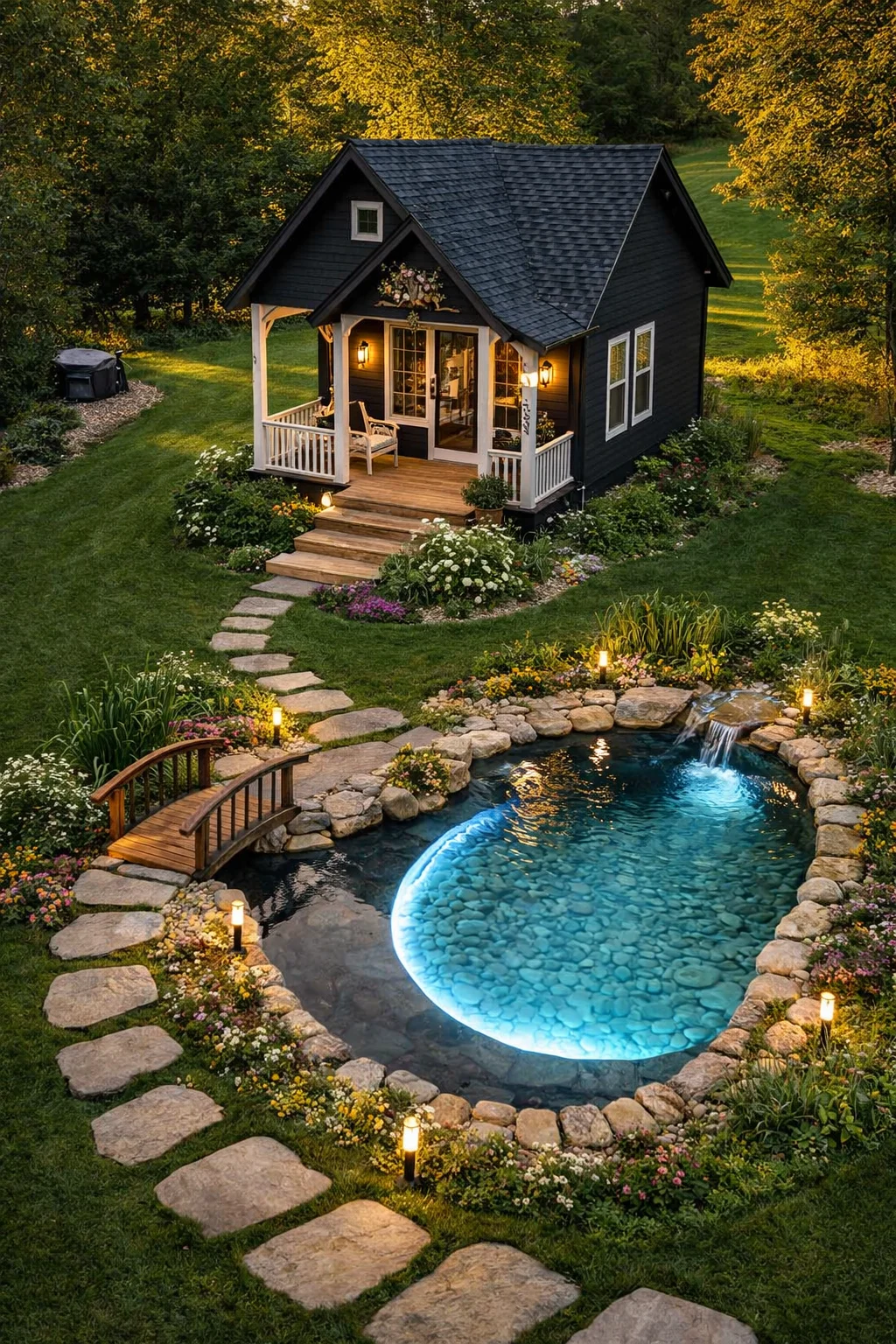
Let’s not sugar coat it—tiny house living comes with its own set of challenges.
Lack of Space
You can’t keep everything. Regular decluttering becomes part of your life.
Zoning and Legal Issues
Rules can be confusing. Always research before committing.
Storage Limits
If you love shopping or collecting, this can be tough. The solution? Focus on quality over quantity.
Privacy
Sharing a small space can feel intense. Good design and clear boundaries help a lot.
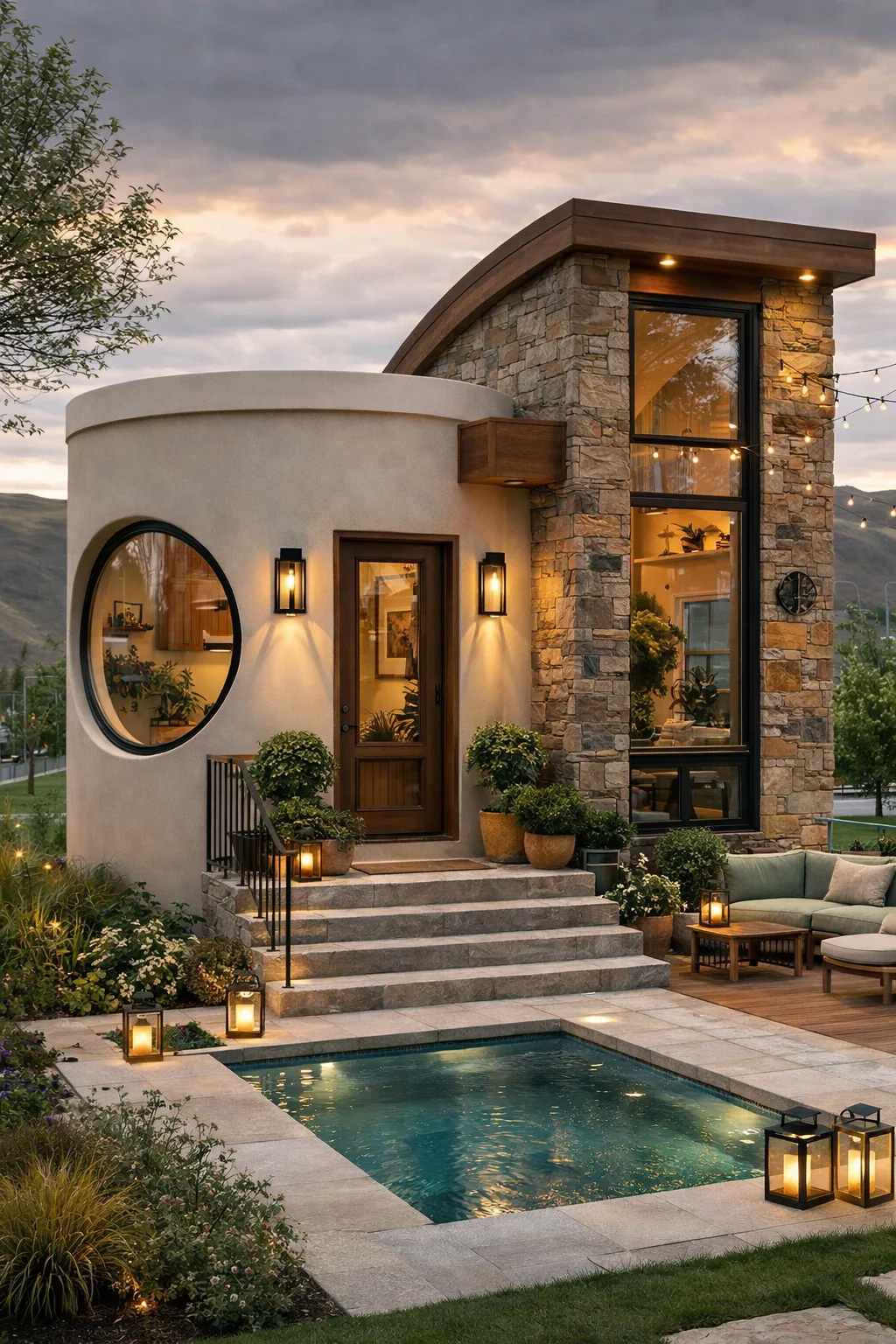
Tips for Getting Started
To improve your transition to tiny living, you need to follow these steps.
- Start decluttering now –You need to downsize your belongings to create your tiny home space.
- Set a realistic budget – You should estimate all expenses including those which are not immediately obvious.
- Research laws in your area – You must complete this requirement before proceeding.
- Visit tiny homes in person – People need to see actual homes because photographs do not provide complete visual information.
People should evaluate their needs because they require long-term solutions to their problems.
Tiny House Living: More Than Just a Trend
At first glance, tiny houses might seem like a trend. But for many people, it turns into a long-term lifestyle.
It’s about living with intention. Spending less money on things you don’t need. Having more time for what you actually enjoy.
Some people stay in tiny homes for years. Others use them as a stepping stone to something else. Either way, it often changes how they think about space, money, and life.
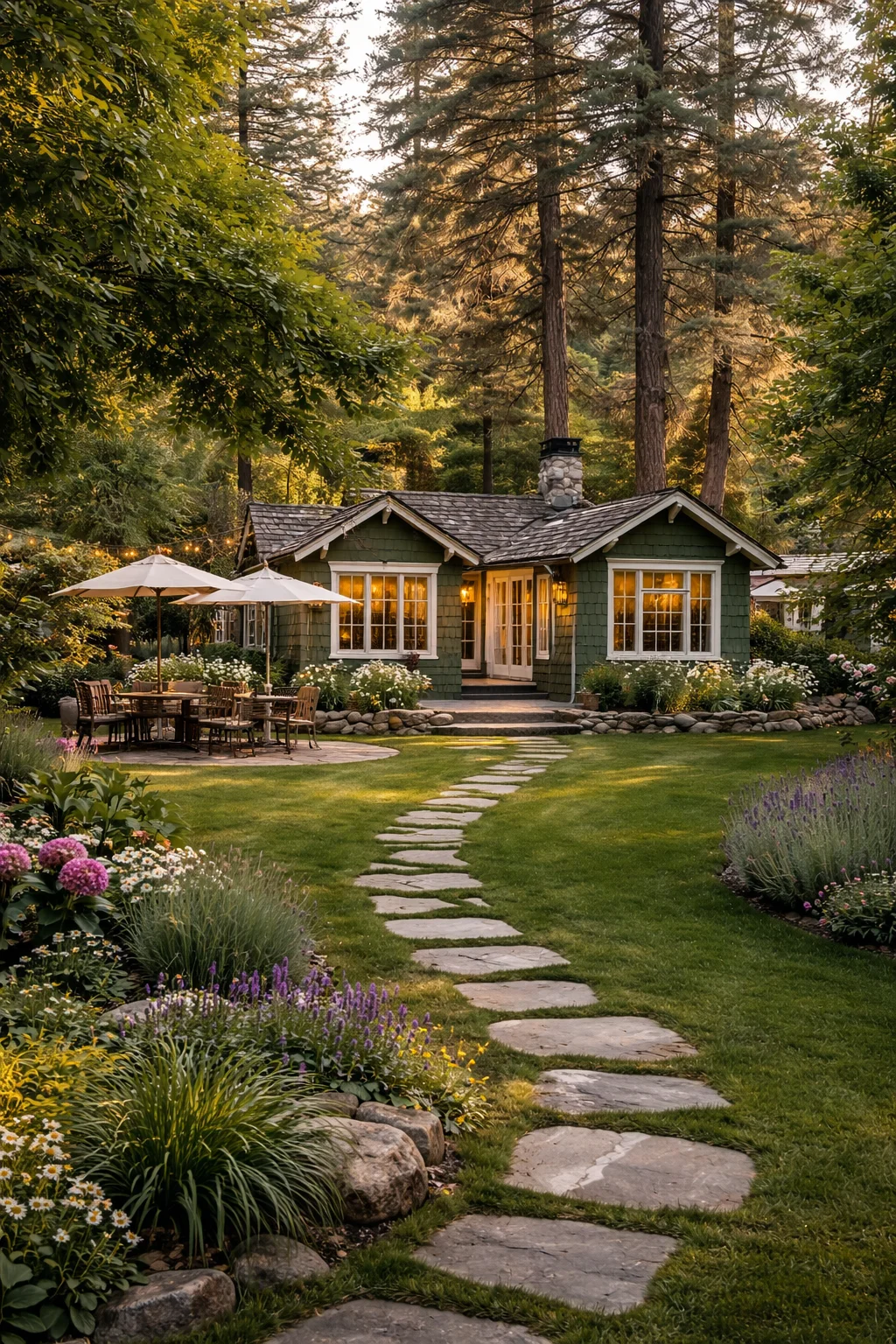
Final Thoughts
Tiny house living isn’t just about moving into a smaller space—it’s about changing how you live.
If the idea of less clutter, lower costs, and more freedom sounds good to you, it might be worth exploring. Take your time, do your research, and test it out before making the leap.
Who knows? You might find that living with less actually gives you a whole lot more.