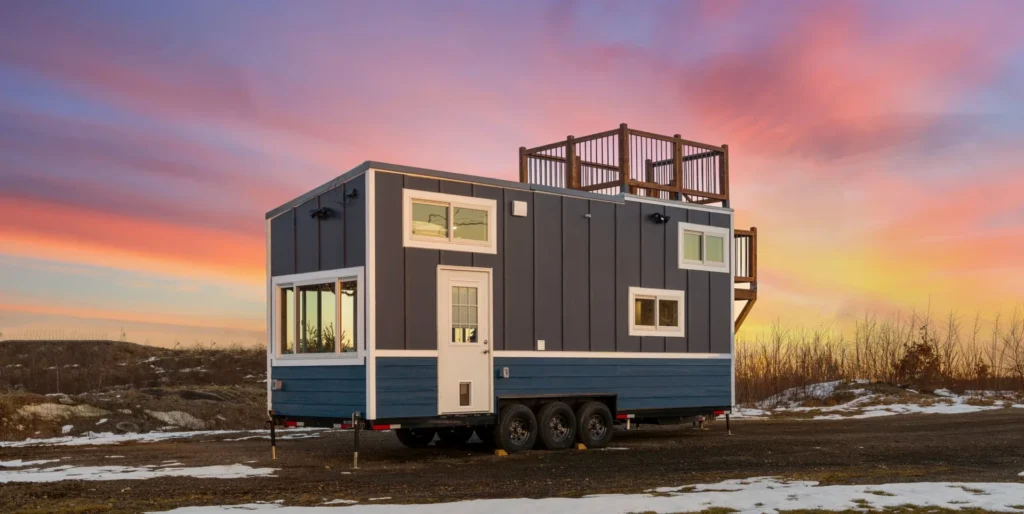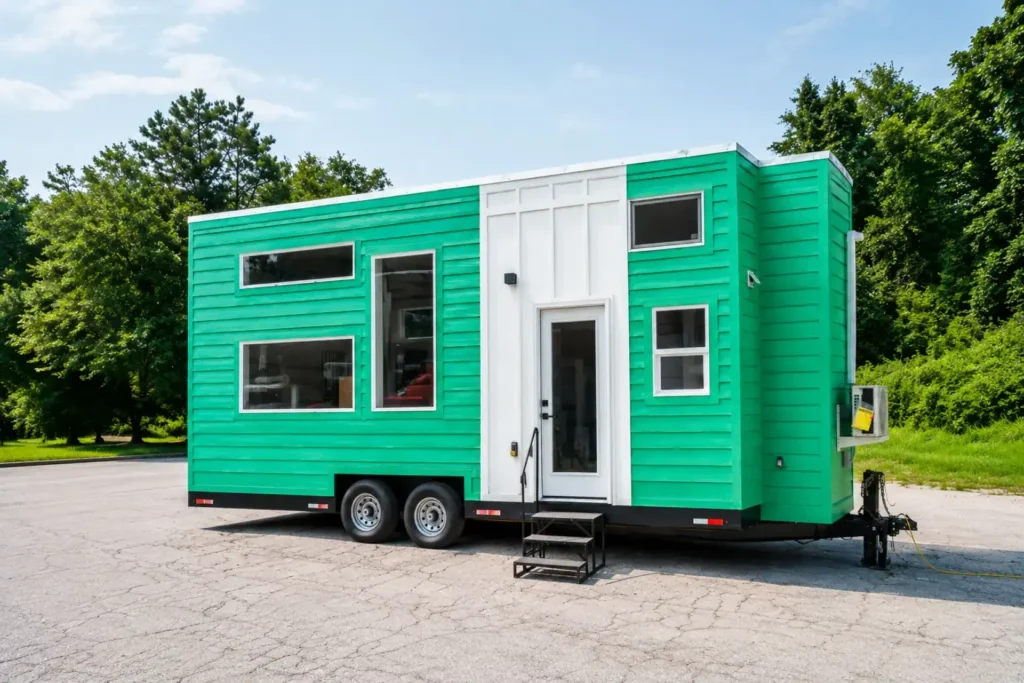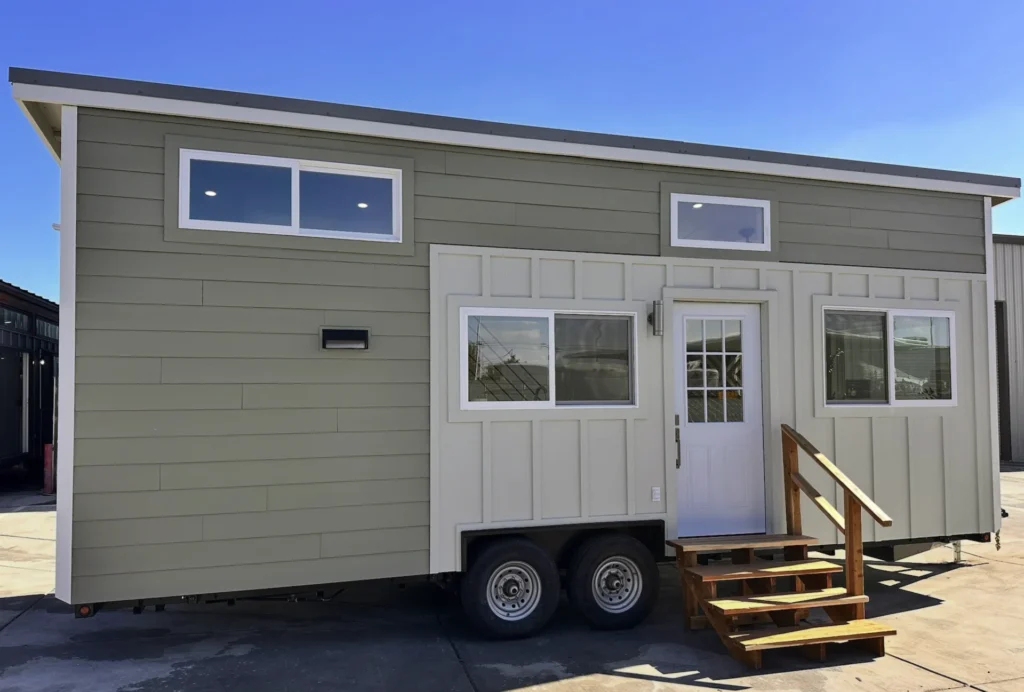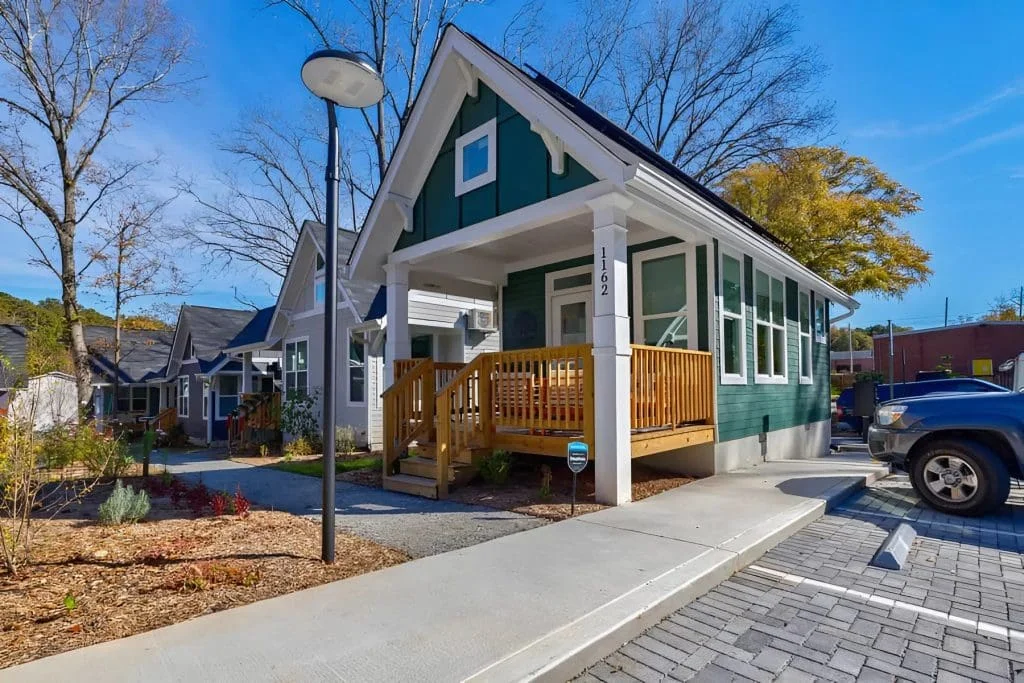


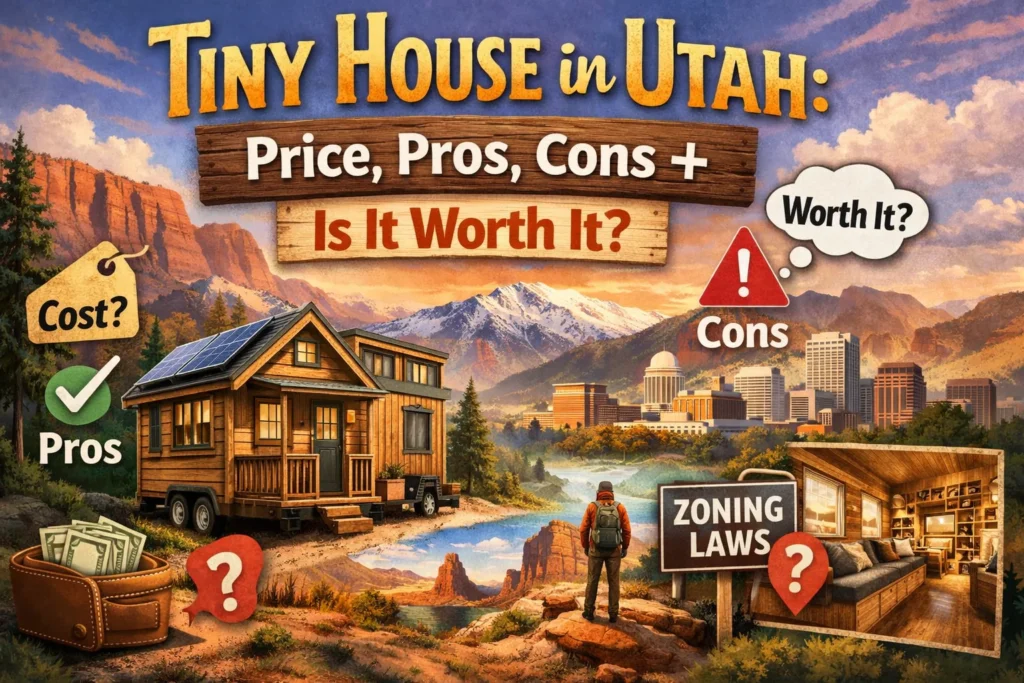
Tiny House in Utah: Price, Pros, Cons + Is It Worth It
If you’ve ever dreamed about downsizing, saving money, or just living a simpler life, tiny houses probably crossed your mind. And honestly, Utah is one of those places where the idea just makes sense. You’ve got wide-open landscapes, beautiful mountains, and plenty of people already leaning into minimal living.
But let’s get real for a second—tiny house living isn’t all cozy sunsets and Instagram vibes. There are costs, rules, and a few surprises along the way.
So let’s break it all down like we’re chatting over coffee.
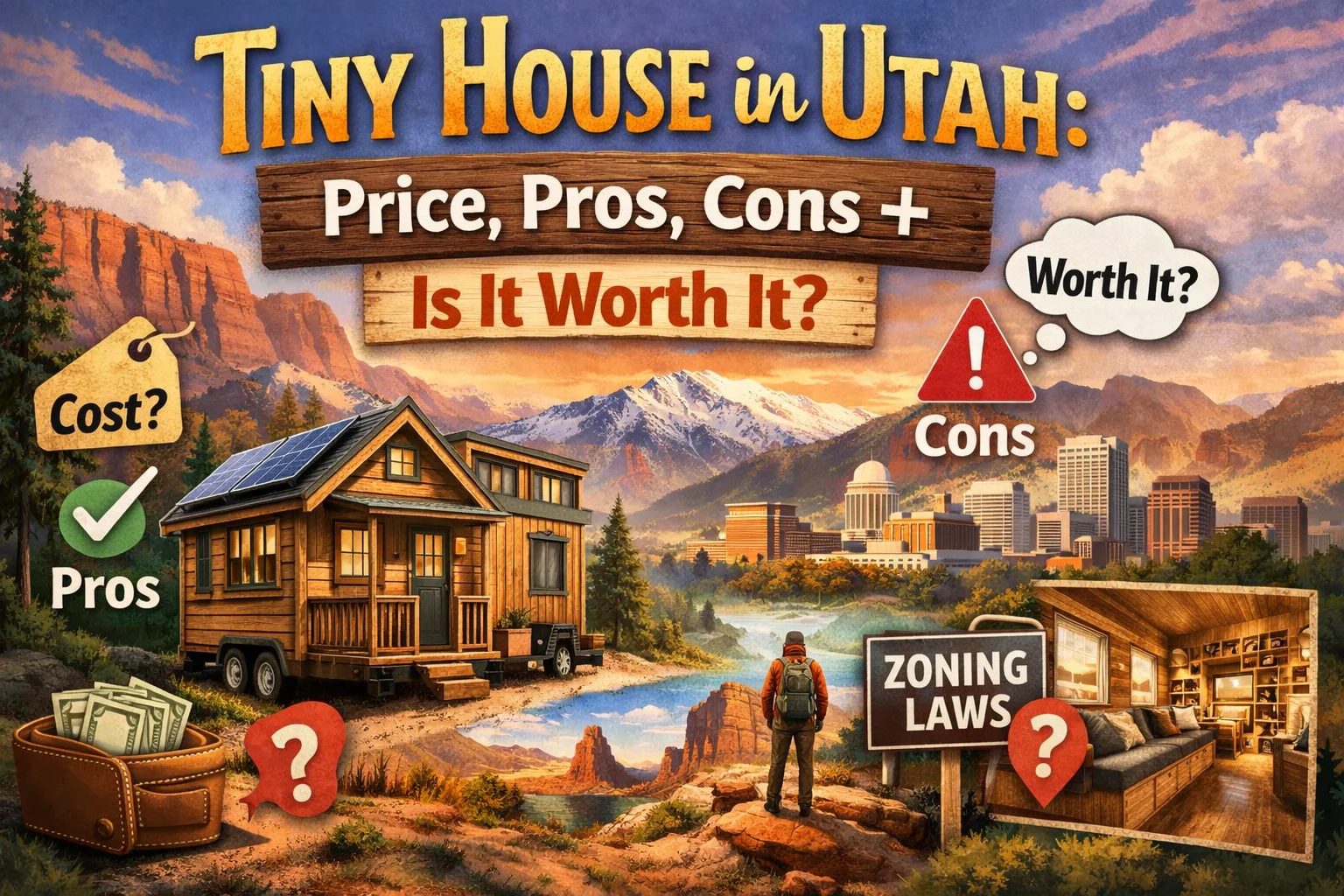
How Much Does a Tiny House in Utah Cost?
Alright, first thing everyone wants to know: what’s the price?
The short answer? It depends.
Average Price Range
- DIY tiny house: $20,000 – $60,000
- Professionally built tiny house: $60,000 – $120,000+
- Luxury tiny homes: $120,000 – $180,000+
You can save substantial expenses through DIY construction work because your practical skills enable you to complete projects by yourself. The cost increases when you require a fully prepared space that needs no further work.
Land Costs in Utah
Here’s where things get interesting.
- Rural land: $5,000 – $50,000
- Near cities (like Salt Lake City): $50,000 – $200,000+
Some people skip buying land altogether and rent a spot in an RV park or tiny home community. That can run anywhere from $300 to $800 per month.
Extra Costs to Keep in Mind
This is where many people get caught off guard:
- Utilities (water, power, septic)
- Permits and zoning fees
- Insurance
- Transportation (if it’s on wheels)
All together, you might spend an extra $10,000–$30,000 depending on your setup.
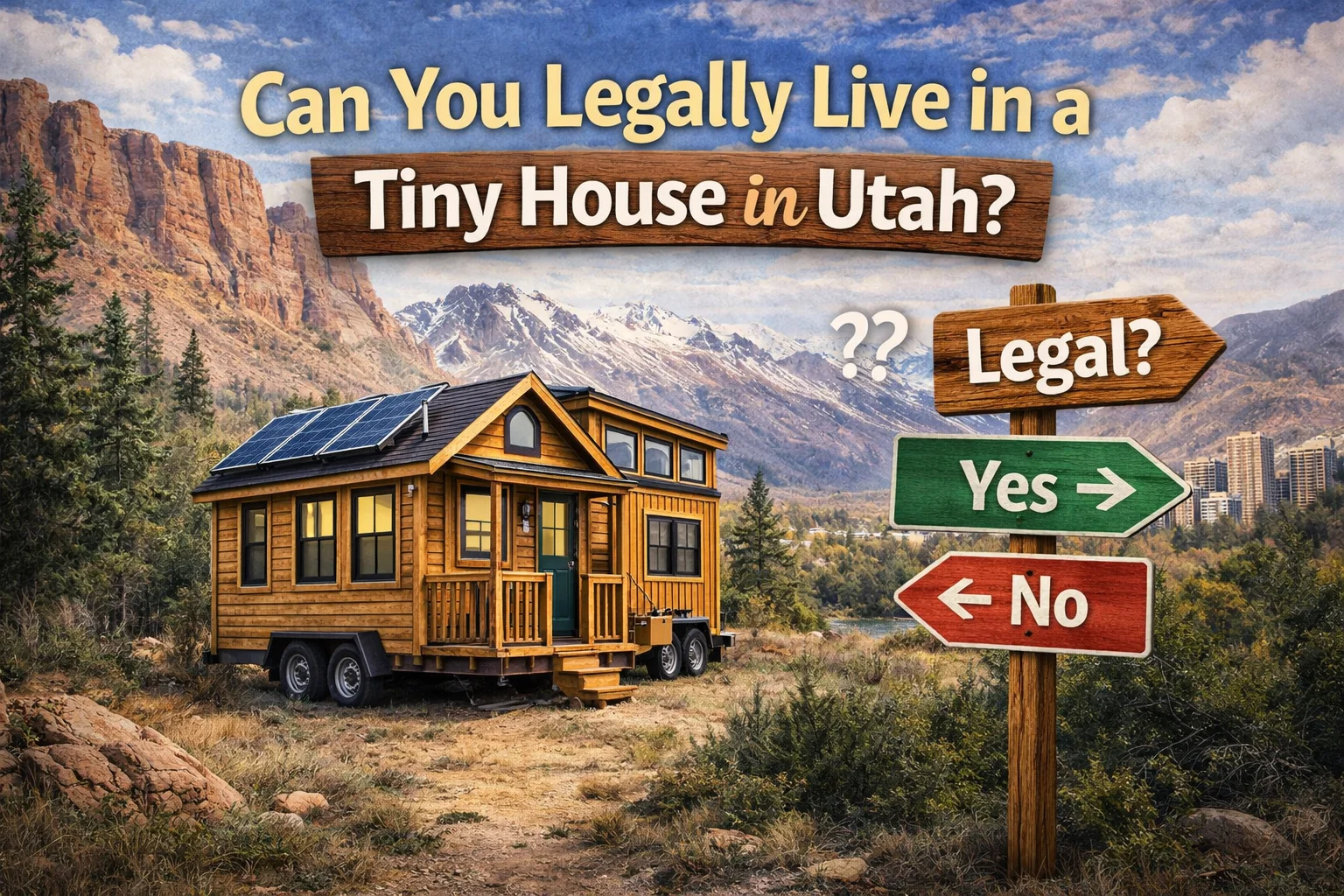
Can You Legally Live in a Tiny House in Utah?
This is probably the most confusing part of the whole process.
Utah is actually pretty friendly toward tiny houses, but there are still rules you need to follow.
Tiny House on Wheels vs Foundation
On wheels (THOW): Often treated like RVs
On foundation: Treated like a regular house
If your tiny house is on wheels, you might not be allowed to live in it full-time everywhere. Some areas only allow it as temporary housing.
Best Places in Utah for Tiny Living
Some areas are more flexible than others:
- Rural counties
- Tiny home communities
- RV parks
- Certain zones around Salt Lake City and surrounding towns
Before buying land, always check local zoning laws. Seriously—this step can save you a ton of stress later.
The Pros of Living in a Tiny House in Utah
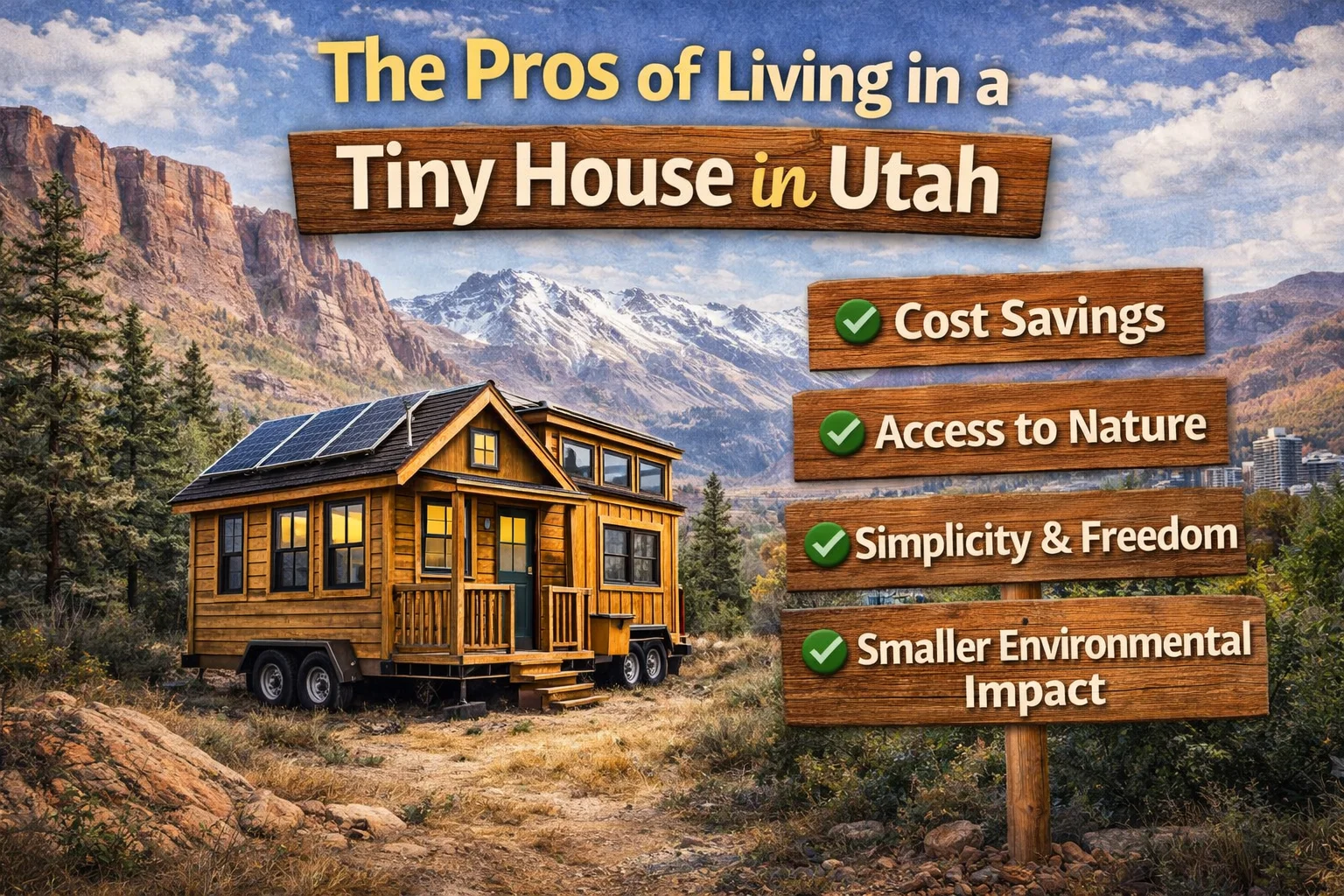
Let’s talk about why people love this lifestyle.
1. Lower Cost of Living
This is the big one.
Smaller space = lower costs. You’ll likely spend less on:
- Electricity
- Heating and cooling
- Maintenance
- Property taxes (if you own land)
For many people, this means less financial stress and more freedom.
2. Utah’s Nature Is Perfect for Tiny Living
Utah is kind of a dream for this lifestyle.
You’ve got:
- Mountains
- Desert landscapes
- National parks like Zion and Arches
Living tiny in a place like this just feels right. You’re closer to nature, and your home doesn’t tie you down as much.
3. Simpler Lifestyle
Less space forces you to keep only what you really need.
And honestly, that can feel amazing.
No clutter. No extra stuff. Just the basics—and more time to enjoy life.
4. Mobility (If It’s on Wheels)
If you choose a tiny house on wheels, you’re not stuck in one place.
Want to move closer to the mountains? You can.
Feel like changing scenery? Go for it.
That flexibility is a huge win.
The Cons of Living in a Tiny House in Utah
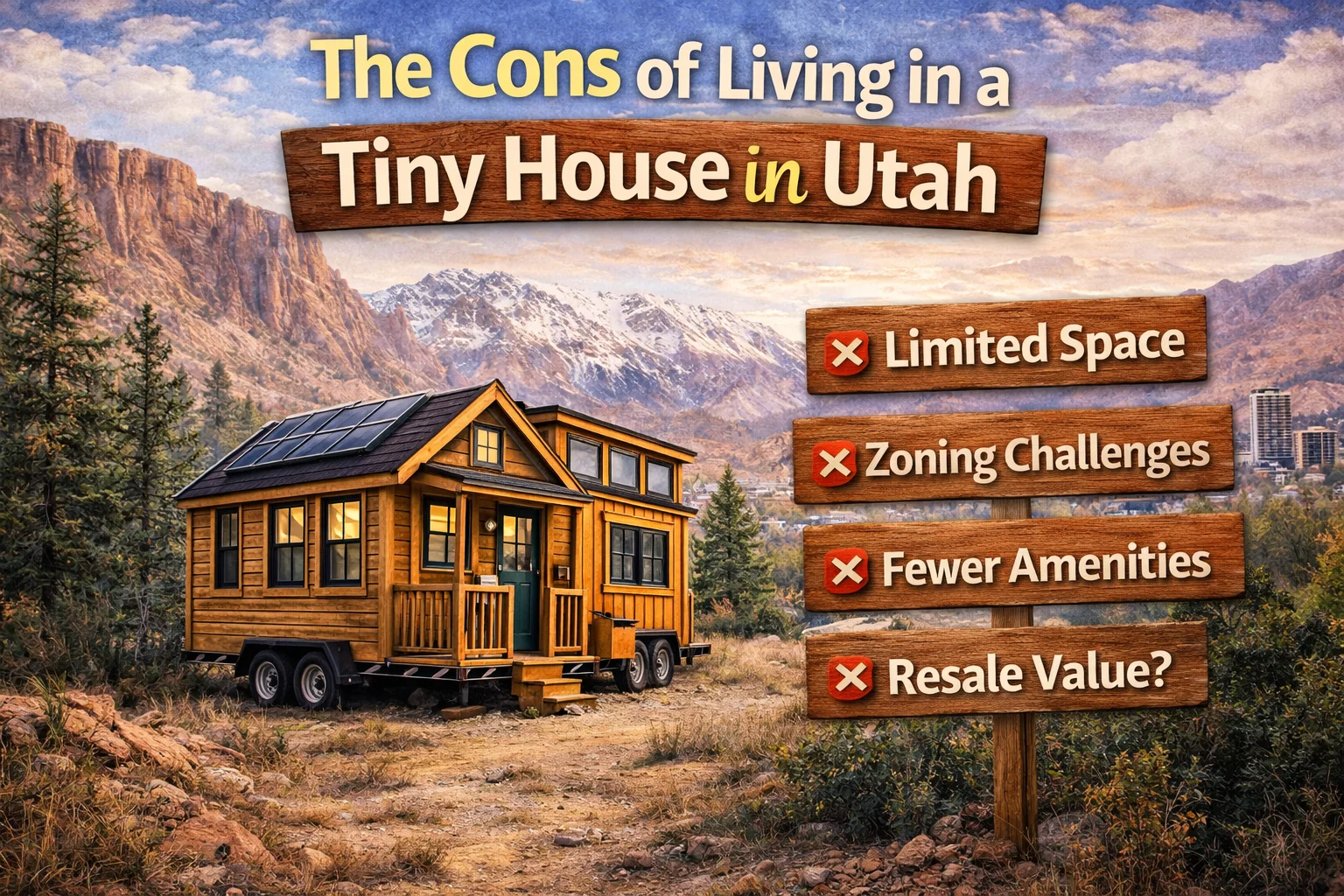
Now let’s be real—tiny living isn’t for everyone.
1. Zoning and Legal Challenges
Even though Utah is more open than some states, you still have to deal with:
- Local restrictions
- Permits
- Where you can park or live
This part can be frustrating, especially if you’re new to it.
2. Limited Space
This might sound obvious, but it hits differently once you’re living in it.
- Storage is tight
- Privacy can be limited
- Hosting guests? Not easy
If you’re used to a big home, this takes some adjustment.
3. Weather in Utah
Utah experiences hot summers and cold winters throughout its yearly cycle.
In a tiny house, that means:
- Heating and cooling systems must operate with maximum efficiency
- The building needs strong insulation to protect its interior
- Homeowners who fail to monitor their energy usage will face unexpected hikes in their energy costs.
4. Financing Can Be Tricky
The process of obtaining a tiny house loan presents multiple obstacles for borrowers.
Most banks treat wheeled tiny houses as non-traditional properties which do not qualify for standard home financing.
You might need:
- Personal loans
- RV loans
- Or cash
Tiny House vs Traditional Home in Utah
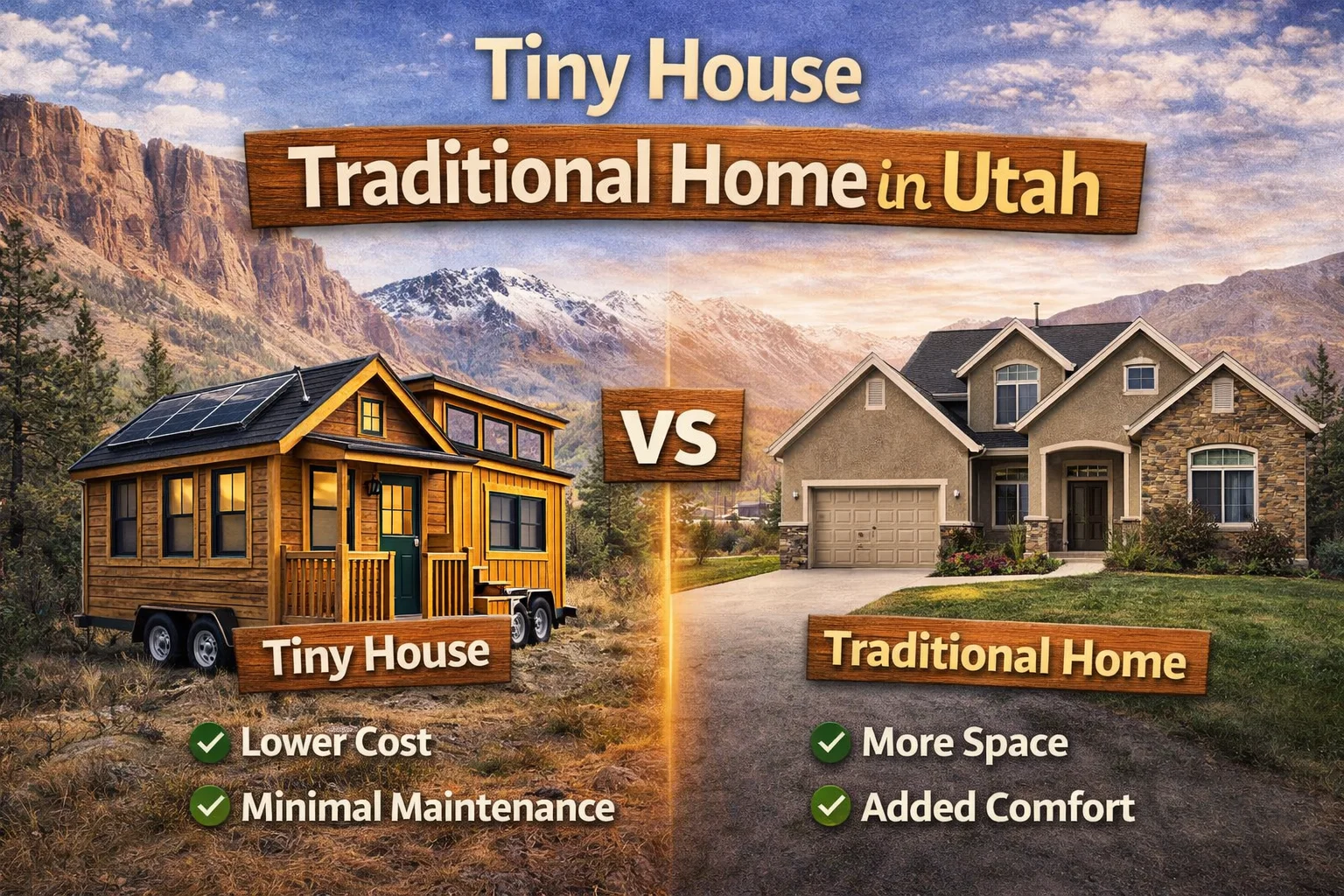
Let’s compare the two quickly.
Tiny House
- Lower upfront cost
- Lower monthly expenses
- More flexibility
- Less space
Traditional Home
- Higher cost
- More space
- Easier financing
- More stability
It really comes down to what you value more—space or freedom.
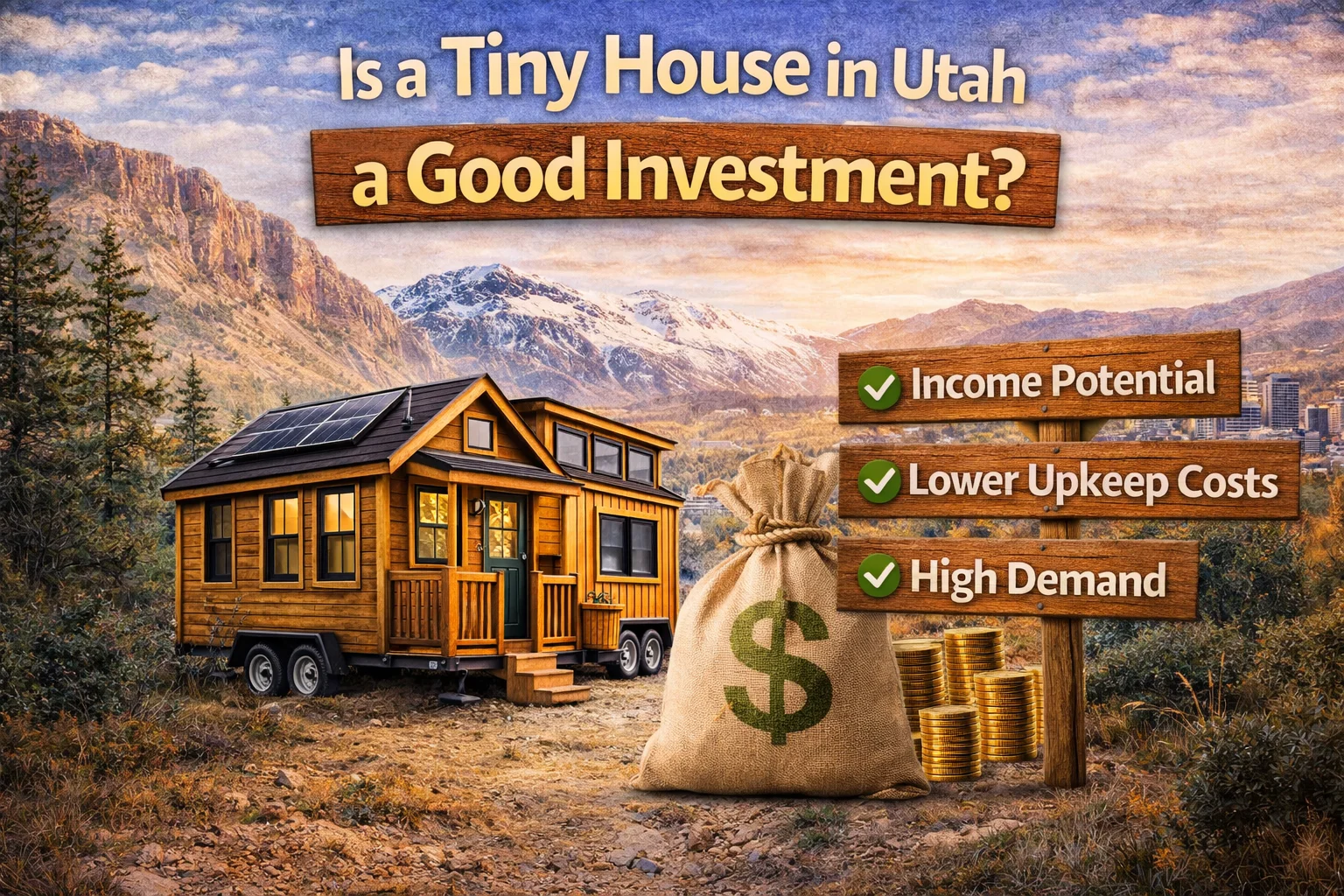
Is a Tiny House in Utah a Good Investment?
This is where things get a little tricky.
Tiny houses don’t always increase in value like regular homes. In fact, many of them (especially ones on wheels) can lose value over time.
But here’s the flip side:
- You’re spending less upfront
- You might avoid a big mortgage
- Your monthly expenses are lower
So instead of thinking about it as a traditional investment, think of it as a lifestyle choice that can save you money long-term.
Who Should Consider a Tiny House in Utah?
Tiny living works best for certain types of people.
The solution works best for people who meet these requirements
- People who want to save money
- People who embrace minimalism
- People who spend time in nature
- People who require little space
- People who want to be able to stay mobile
The solution does not suit you when
- You require multiple storage spaces
- Your home office demands multiple pieces of technology
- Your household includes many members
- You want to keep your current situation without any changes

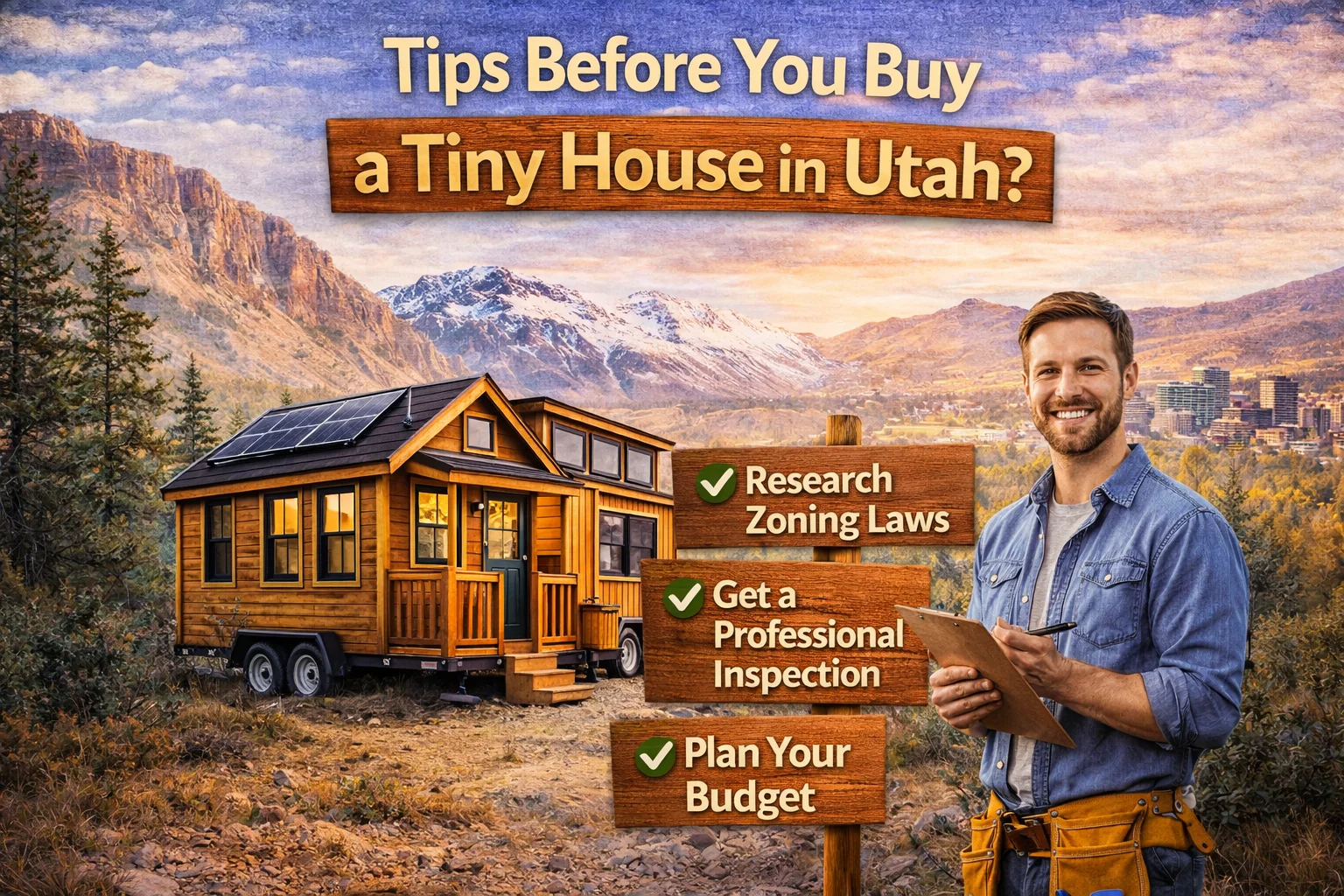
Important Buying Tips for Utah Tiny House Purchase
People who want to make a serious decision about it should remember these essential points.
1. Check Zoning First
Skip this step at your own risk because this step is essential for confirming your tiny house location rights.
2. Think About Utilities Early
Figure out:
- Water source
- Electricity
- Waste system
Off-grid setups are possible, but they require planning.
3. Rent or Try One First
You should spend several days or weeks in a tiny house if you want to experience its complete benefits.
Your best choice for assessing your ability to live this way is to experience tiny house life.
4. Plan Your Storage Smartly
Every inch matters.
The following items need to be located:
- Built-in storage
- Multi-use furniture
- Creative layouts
So… Is It Worth It?
The truthful response requires you to explain your life goals to us.
A tiny house in Utah provides excellent value for people who seek affordable living spaces and greater independence and minimalistic existence.
The solution for your needs will not work if you require physical space and permanent arrangements and you want to avoid dealing with zoning regulations.
Final Thoughts
Tiny houses in Utah are more than just a trend—they’re part of a bigger shift toward living with less and enjoying more.
You get beautiful surroundings, lower expenses, and a lifestyle that feels a bit more intentional.
Just make sure you do your homework, understand the rules, and think about what daily life will actually look like.
If it lines up with your goals, you might find that going tiny opens up a whole new way of living that actually feels… bigger.