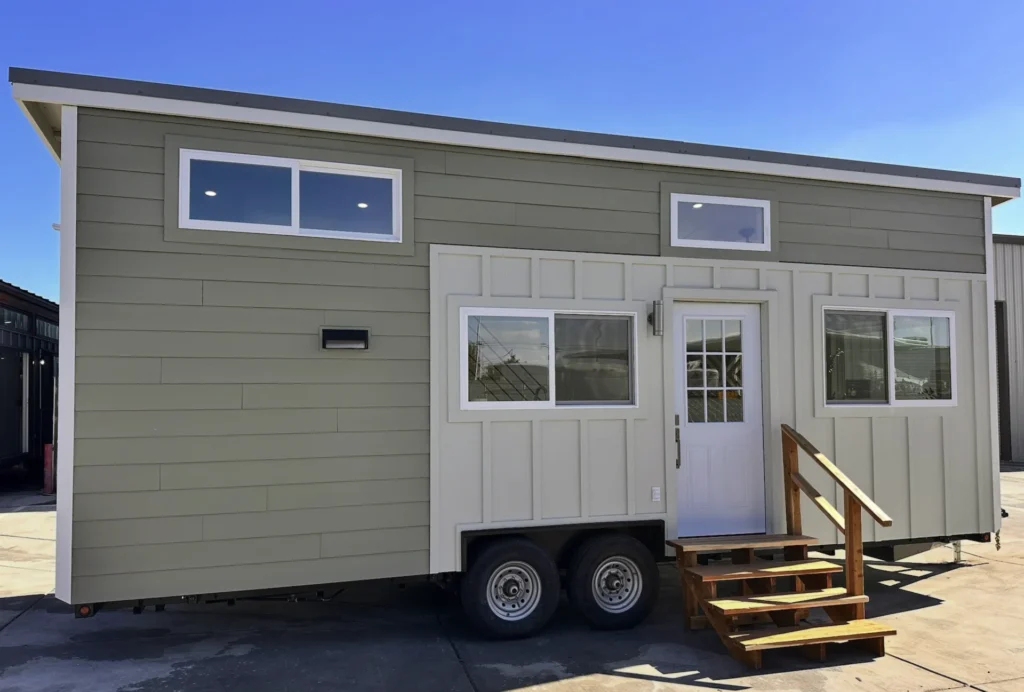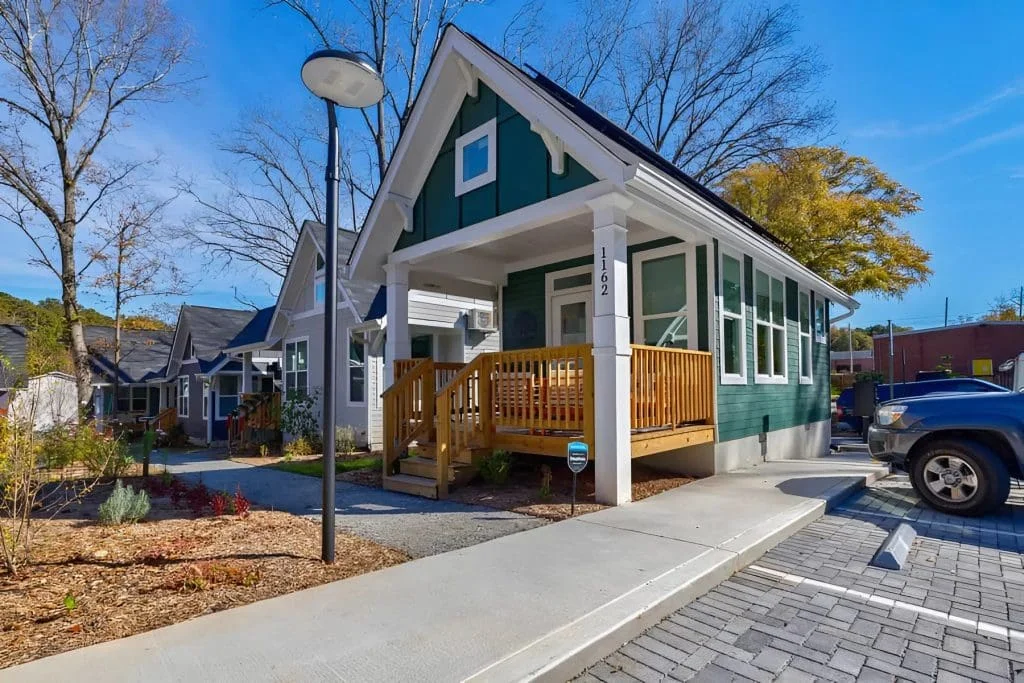


The Shift Toward Simpler Living
Something has definitely changed in the way people think about their homes. Bigger isn’t always better anymore. These days, more people are asking a different question: How much space do I actually need to live well?
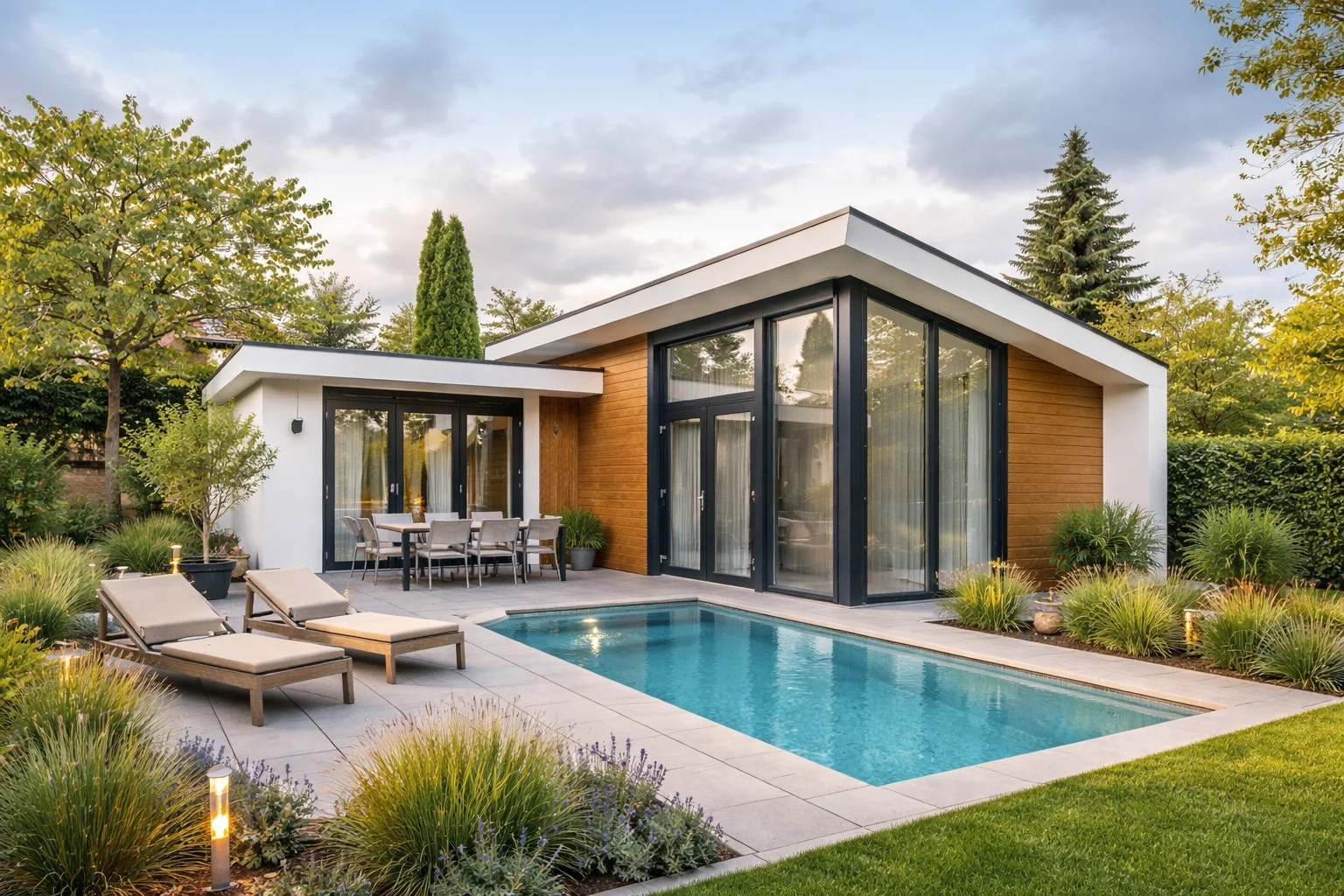
That’s where tiny houses come in.
In 2026, tiny homes aren’t just a trend you scroll past on social media they’ve become a real solution for people who want a simpler, more sustainable lifestyle. Rising costs, climate concerns, and a desire for freedom are pushing people to rethink how they live. And honestly, once you start looking into it, tiny houses just make a lot of sense.
What Makes a Tiny House So Sustainable?
Let’s keep it simple. A tiny house uses fewer resources. That alone already makes a big difference.
Think about it:
- Less building material
- Less energy for heating and cooling
- Less water usage
- Less stuff inside
Everything gets scaled down. And when you shrink your footprint like that, your impact on the environment drops too.
But it’s not just about size. It’s also about how these homes are built and how people live in them.
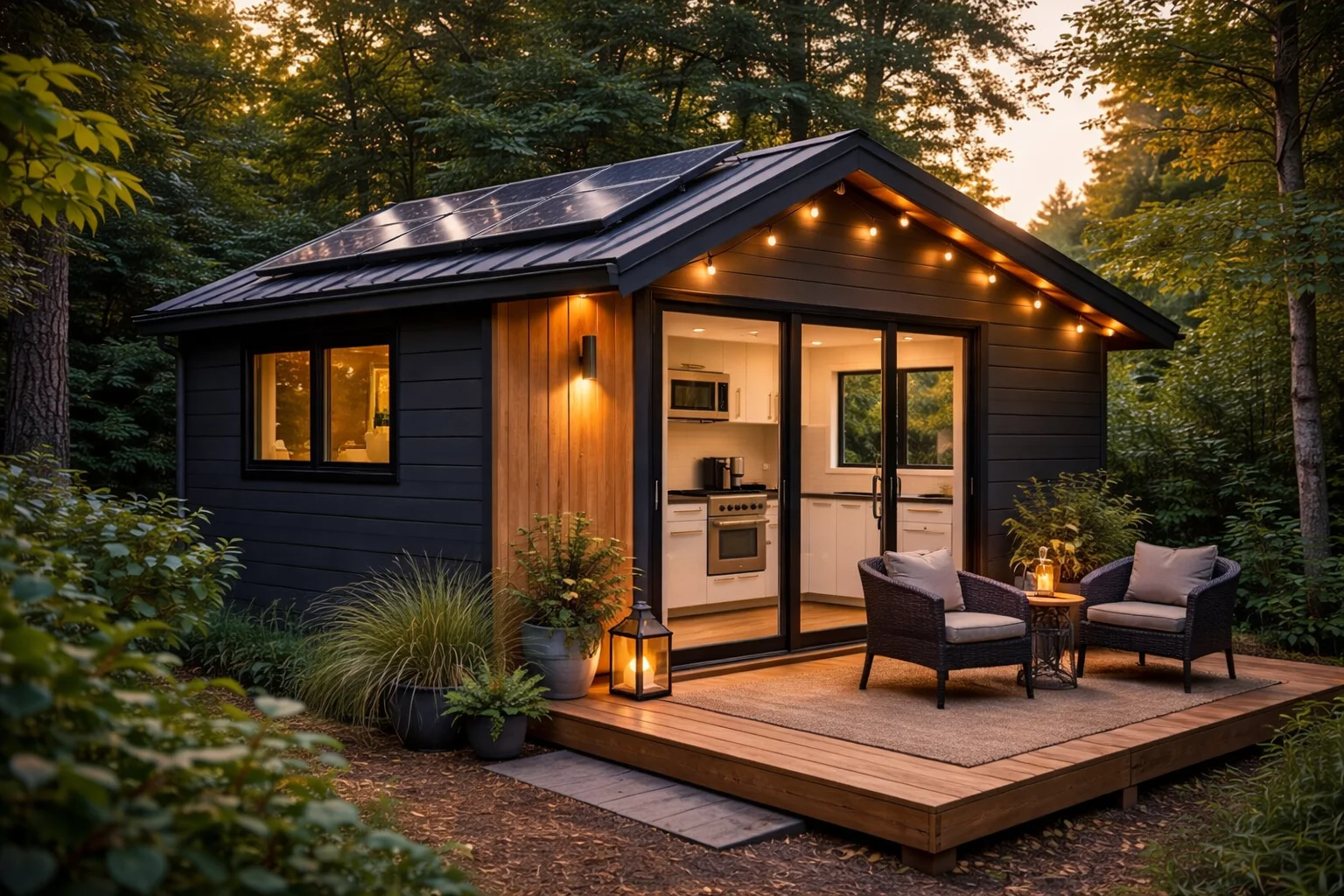
Smaller Space, Smaller Energy Bills
One of the biggest wins with tiny houses is energy efficiency.
Heating a large home in winter or cooling it in summer can use a lot of electricity or gas. A tiny house? Way easier to manage. You can heat it faster, cool it quicker, and often rely on smaller systems.
Many tiny homes in 2026 come with:
- Solar panels
- Energy-efficient appliances
- Smart insulation
- LED lighting throughout
All of this adds up to lower energy use and lower bills. And honestly, who doesn’t want that?
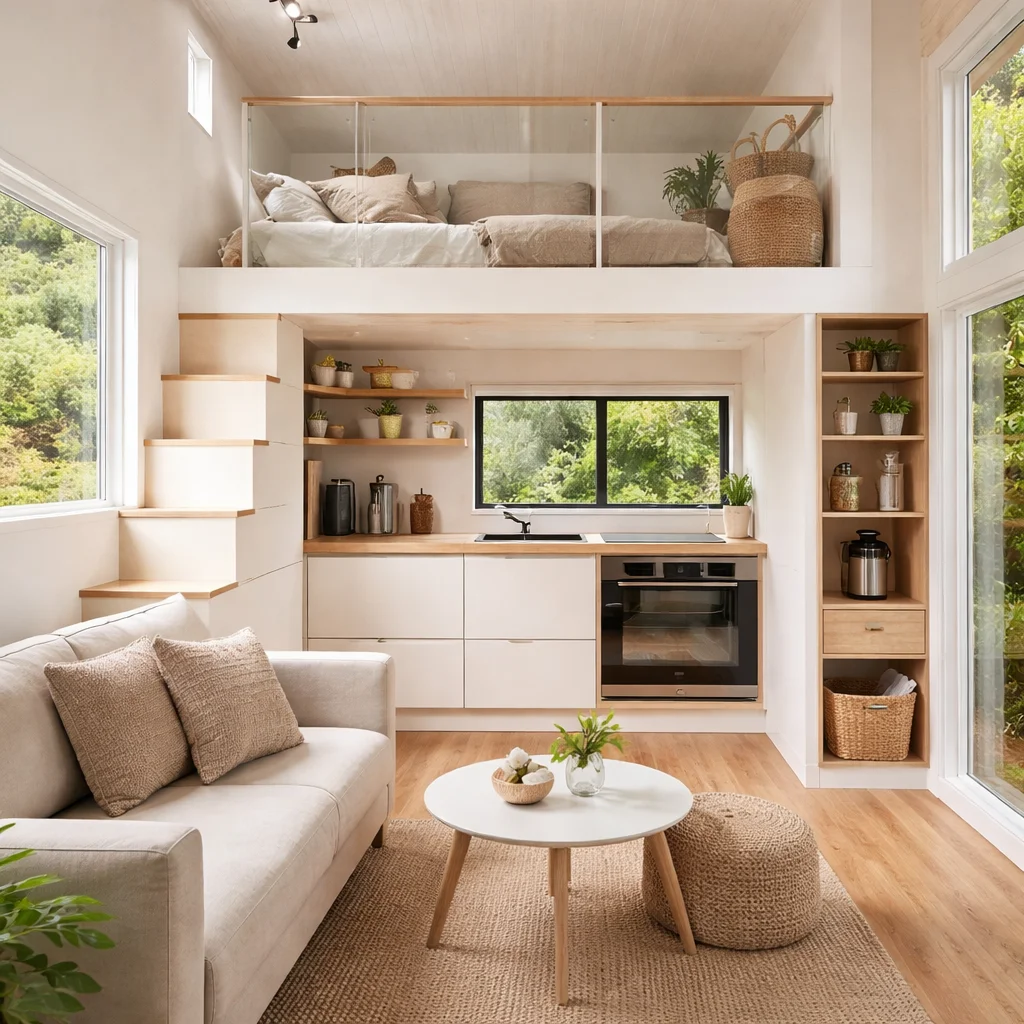
Less Stuff, Less Waste
Here’s something people don’t always expect: living in a tiny house changes how you shop.
When you don’t have endless storage space, you naturally start buying less. You think twice before bringing something home because you know every item needs a purpose.
That leads to:
- Less impulse buying
- Less clutter
- Less waste
Over time, this lifestyle shift becomes second nature. You focus more on what you actually need and less on what just fills space.
Building Materials Matter
Traditional homes require a huge amount of materials—wood, concrete, steel, insulation, drywall… the list goes on.
Tiny houses?
Much less.
And in 2026, many builders are going a step further by choosing:
- Reclaimed wood
- Recycled materials
- Eco-friendly insulation
- Non-toxic paints and finishes
This reduces the environmental impact even before you move in. It’s like starting your home journey with a smaller footprint from day one.
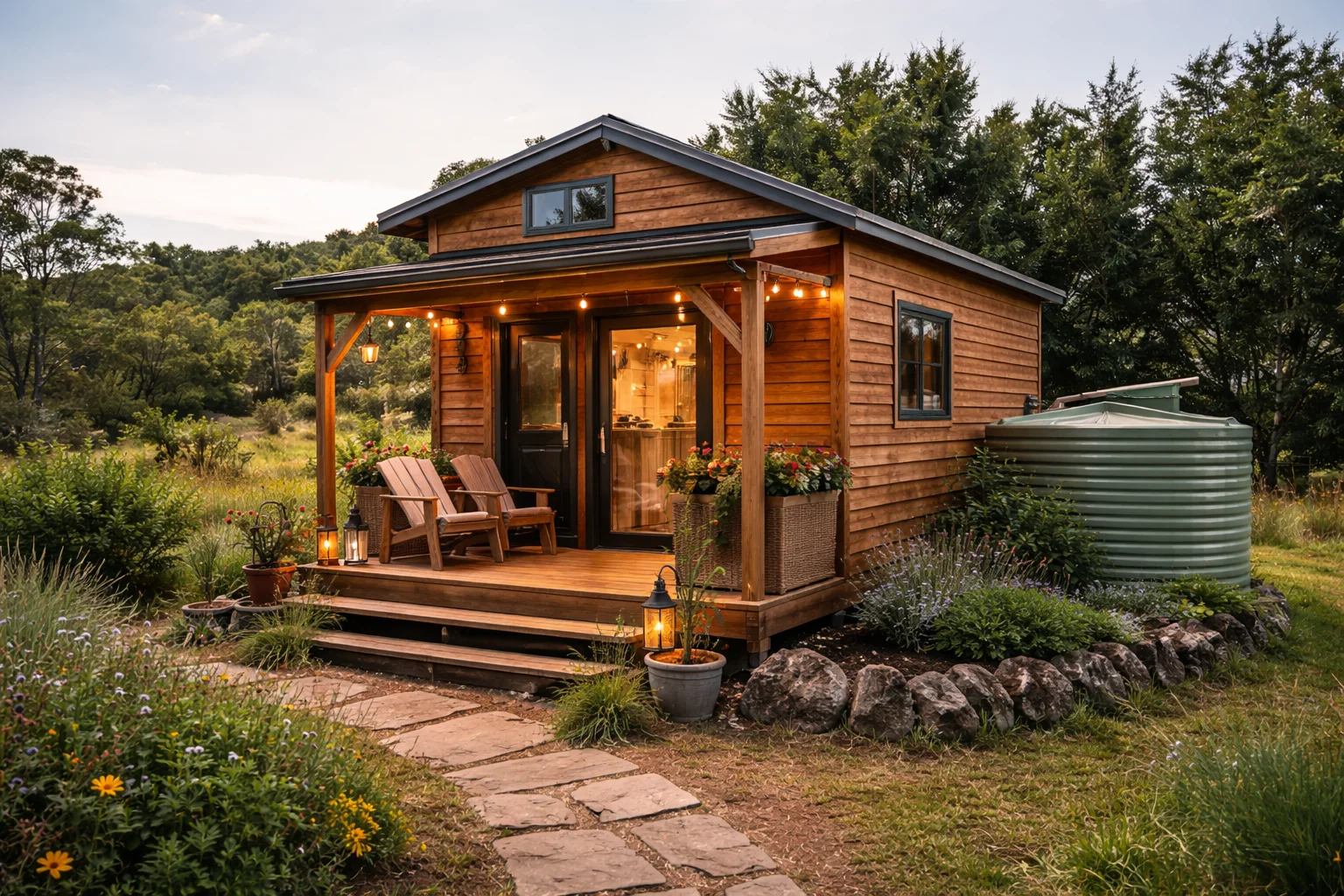
Water Usage Drops Naturally
Water is another big piece of the sustainability puzzle.
Tiny homes often use:
- Low-flow fixtures
- Composting toilets
- Rainwater collection systems
Because space is limited, people tend to be more mindful of water use without even trying too hard. Shorter showers, less waste, more awareness it all adds up.
Living Off-Grid Is Easier
If you’ve ever thought about going off-grid, tiny houses make it way more doable.
Because they need less power and water, you can realistically run a tiny home with:
- Solar energy
- Battery storage
- Water tanks
- Compost systems
You don’t need a massive setup to live comfortably. That’s a big reason why many people choose tiny homes for remote locations or nature-based living.
Financial Freedom Plays a Big Role
Let’s be real for a second—money matters.
Housing costs in 2026 are still high in many places. Mortgages, rent, utilities… it all adds up fast.
Tiny houses offer a different path:
- Lower upfront cost
- No large mortgage (or none at all)
- Lower monthly bills
This gives people more freedom to:
- Work less
- Travel more
- Save money
- Focus on experiences instead of expenses
And when you’re less stressed about money, your quality of life improves in ways you might not expect.
Mobility and Flexibility
Another thing people love about tiny houses? You’re not tied down in the same way.
Many tiny homes are built on wheels, which means you can move if you want to. New job? New scenery? Just ready for a change? It’s possible.
That kind of flexibility fits perfectly with how people live today. Remote work is still strong in 2026, and more people want the freedom to choose where they live without being locked into one place.
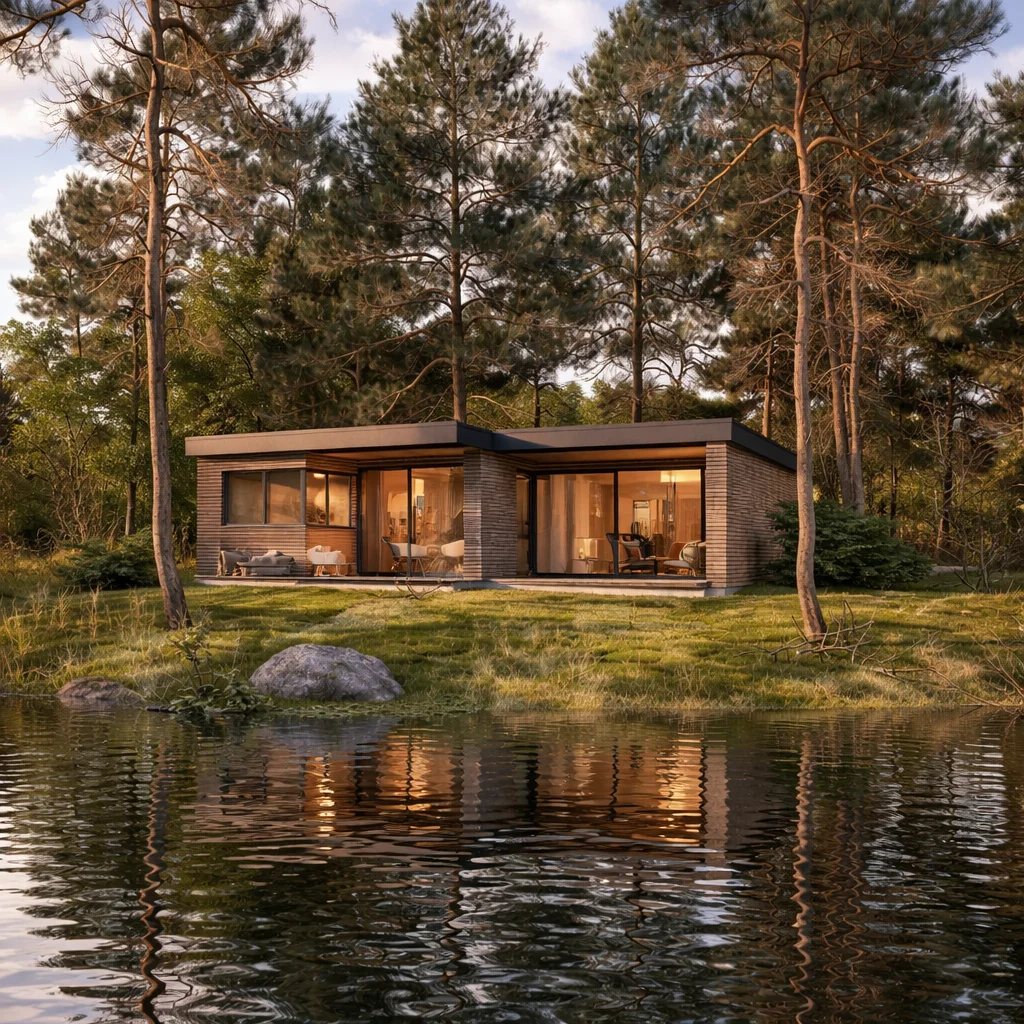
A Stronger Connection to Nature
There’s something about tiny house living that brings you closer to the outdoors.
Maybe it’s because the space inside is smaller, so you naturally spend more time outside. Or maybe it’s because many tiny homes are placed in scenic locations forests, mountains, lakesides.
Either way, people often say they feel more connected to nature.
And that connection changes habits:
- You become more aware of seasons
- You notice your energy use more
- You appreciate simple things like fresh air and quiet
It’s not just about sustainability it’s about how you feel living day to day.
Community Living Is Growing
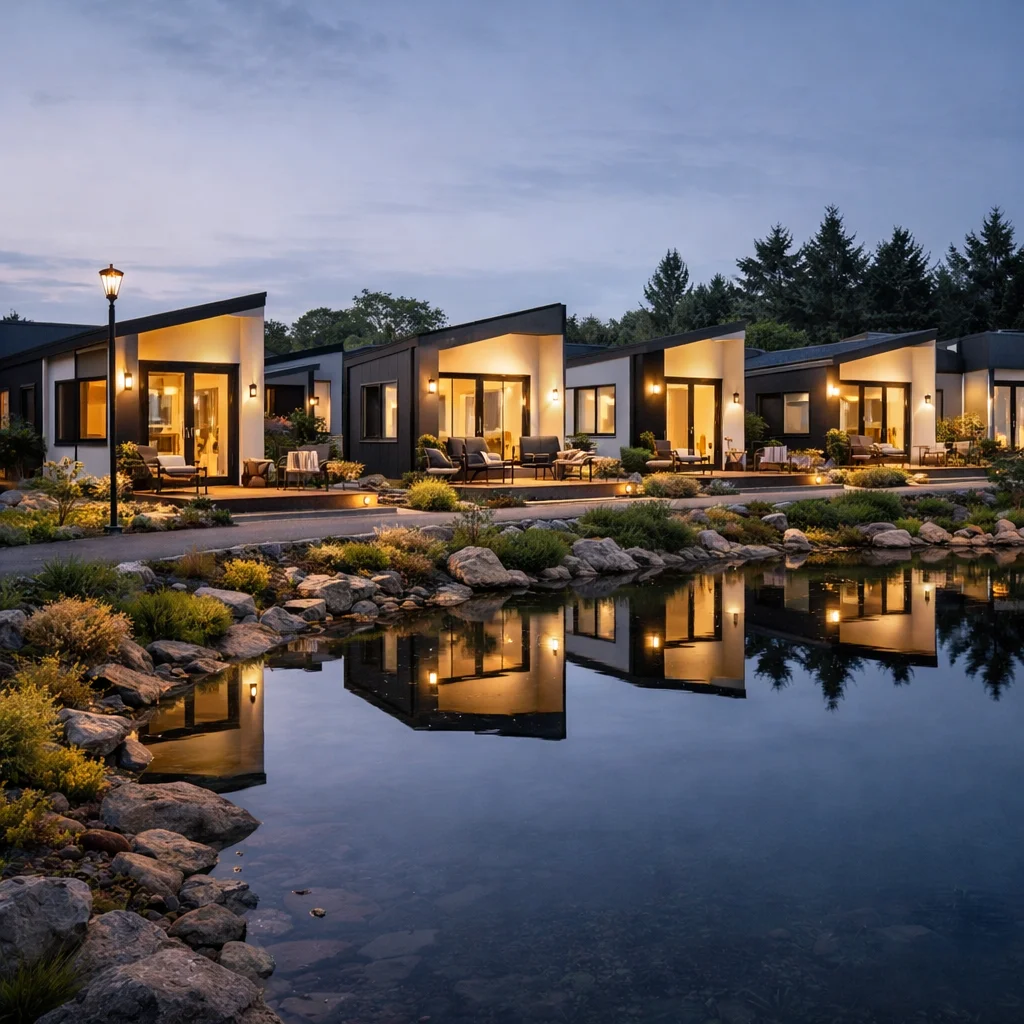
Tiny house communities are becoming more popular in 2026.
Instead of living in isolation, many people are choosing to live in shared spaces where:
- Resources are shared
- Land is used more efficiently
- People support each other
This creates a sense of community that’s often missing in traditional neighbourhoods.
You get privacy in your own home, but you’re not completely disconnected from others. It’s a balance that works really well for a lot of people.
Minimalism Without the Pressure
You’ve probably heard of minimalism before, but tiny house living makes it practical.
You don’t need to follow strict rules or get rid of everything you own. It just happens naturally because of the space.
You keep what you love and what you use. Everything else? It fades away.
And the best part is, it doesn’t feel like a sacrifice. It feels like relief.
Technology Makes It Even Better
Tiny homes in 2026 are smarter than ever.
You’ll find things like:
- Smart thermostats
- Energy monitoring apps
- Space-saving furniture
- Multi-functional designs
A single piece of furniture might serve three purposes. Storage is hidden in clever ways. Every inch is used wisely.
Technology helps create comfortable modern spaces which people perceive as larger than their actual dimensions.
Challenges to Keep in Mind
The tiny house lifestyle presents difficulties which should not be ignored because it does not suit every individual.
Some common challenges include:
- Families face challenges because they have insufficient space.
- Certain regions enforce zoning regulations which restrict development.
- People face difficulties because they cannot find enough storage space.
- People need to develop new habits while living in their smaller homes.
People who face this situation should decide which advantages they want to receive. Your selection should depend on your personal priorities and the type of lifestyle you wish to lead.
Why 2026 Is the Right Time for Tiny Houses
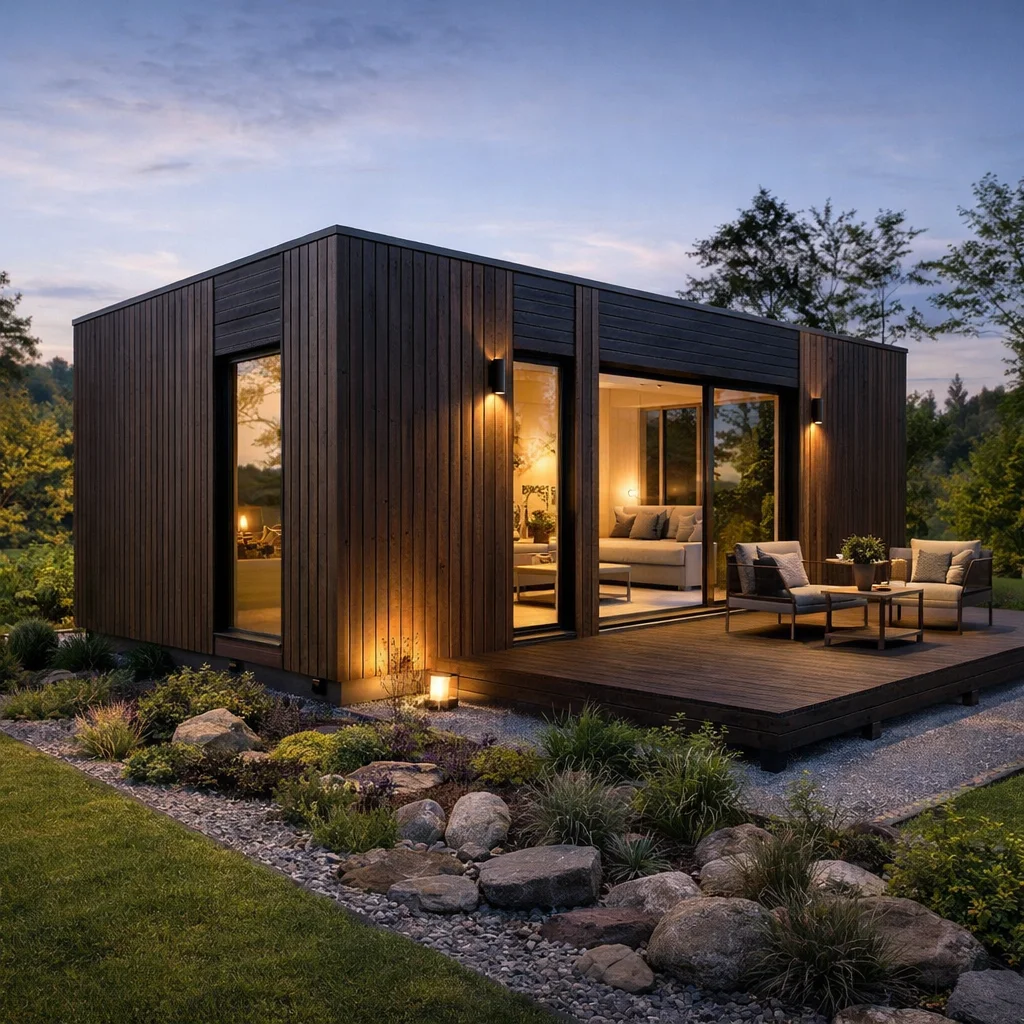
Tiny houses have become a major trend which people need to understand.
A few reasons:
- Environmental concerns are stronger than ever
- Housing costs continue to increase
- People desire the ability to choose their own work methods
- Remote work enables employees to work from any location they choose
All of these trends lead to one outcome which structures human activities into simpler patterns that use advanced technology for better operation.
Final Thoughts: It’s About Living Better, Not Smaller
At the end of the day, tiny house living isn’t just about having less space.
It’s about:
- Using fewer resources
- Spending less money
- Living more intentionally
- Focusing on what really matters
For a lot of people in 2026, that feels like the right move.
And once you start thinking about it, the question isn’t “Why go tiny?”