

The US has experienced a surge in interest for tiny houses because their benefits become clear to everyone who examines them. People enjoy great benefits from three advantages which include lower expenses, decreased material possessions and the ability to choose any location for their residence. However people always want to know one specific thing first which requires them to ask about tiny house pricing.
We will present information in a clear and understandable manner because we will use plain language to explain our content.
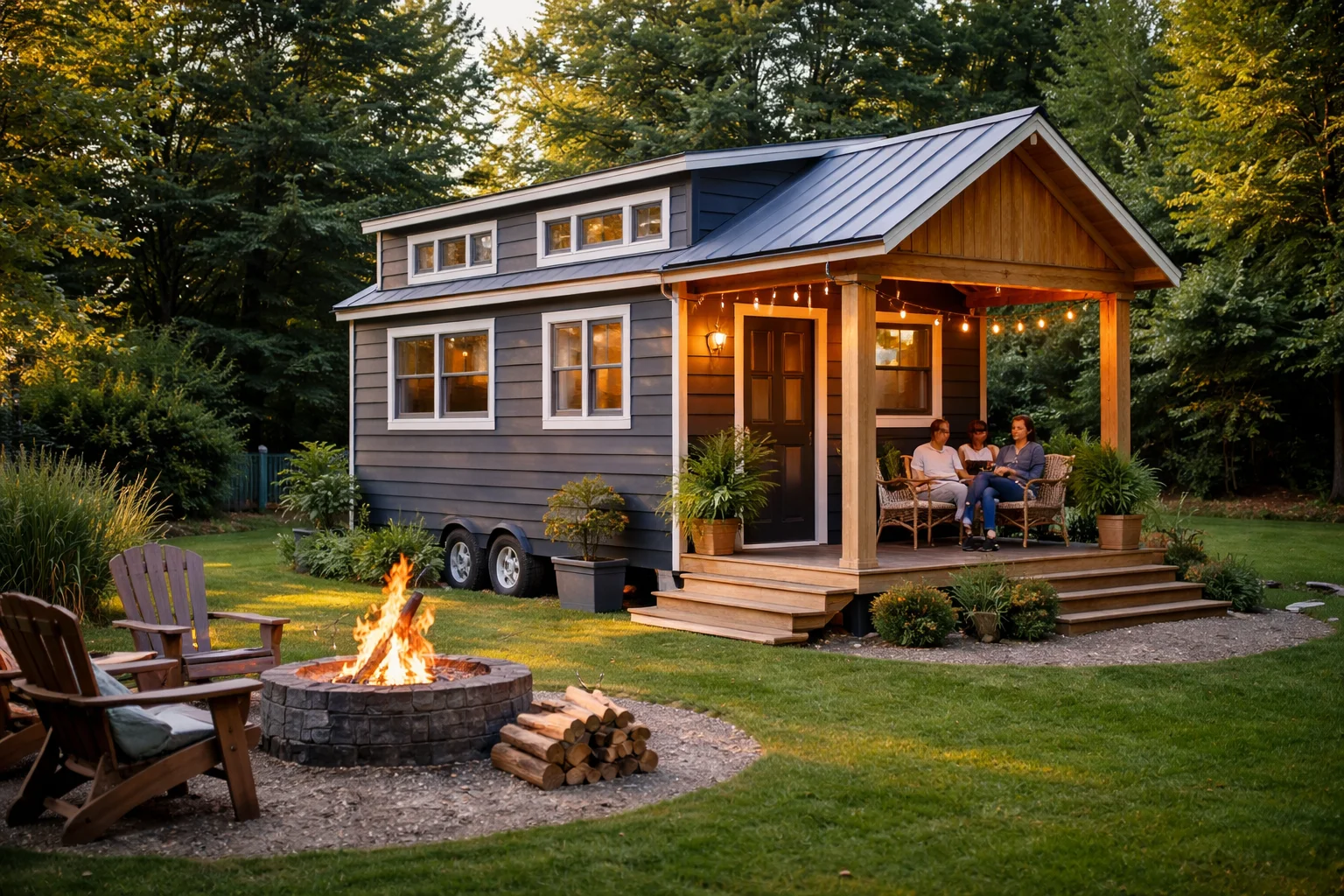
The Average Cost of a Tiny House in the US
Most tiny houses in the US have a price range which starts at $30,000 and ends at $100,000.
The range contains a wide variety of values which I understand. The reason is simple—tiny houses vary a lot. Some people build their own basic designs while others create unique designs which feature premium materials.
Here’s a quick idea:
- DIY tiny house: $20,000 – $50,000
- Pre-built tiny house: $50,000 – $100,000+
- Luxury tiny house: $100,000 – $150,000+
Tiny houses become more affordable than conventional housing which needs more than $300,000 for construction. The final cost of a project gets determined by several important factors.
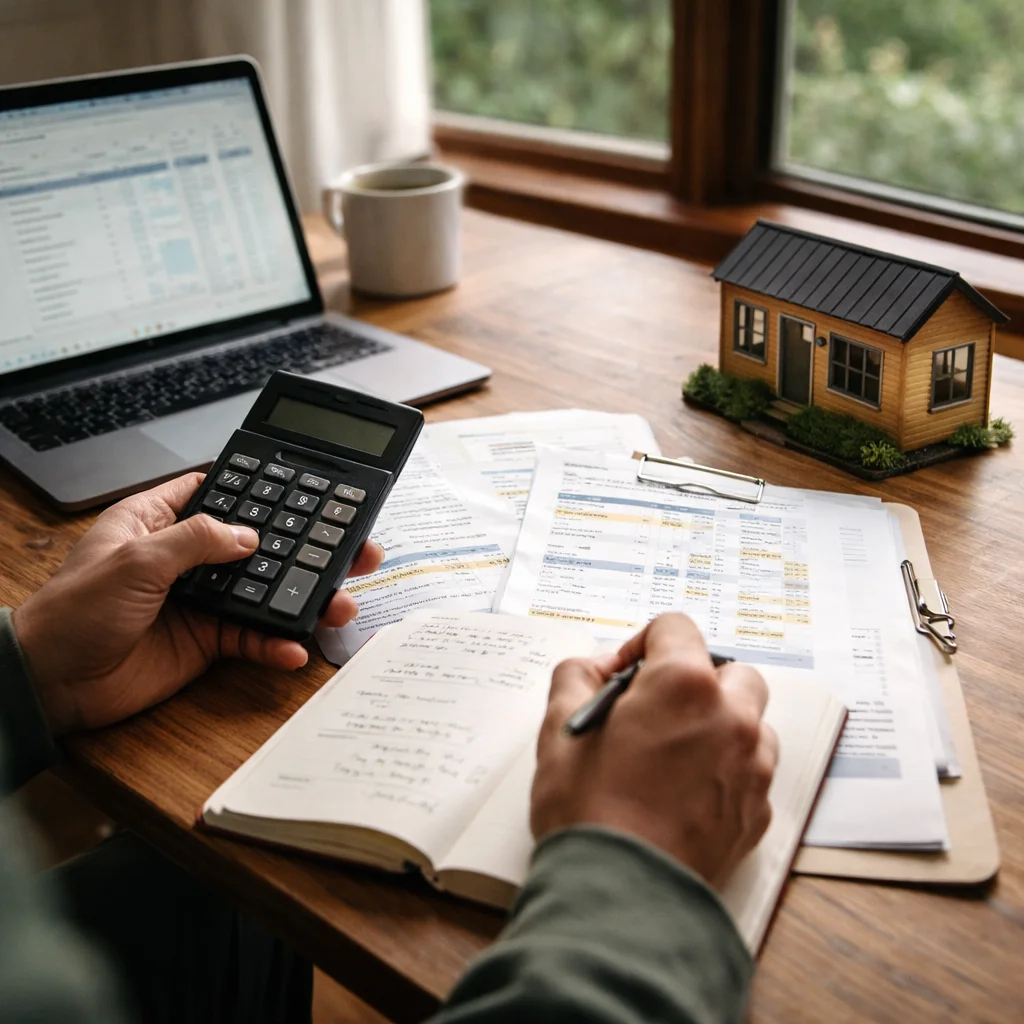
What Affects the Cost of a Tiny House?
Not all tiny homes are created equal. A lot goes into the price, and understanding these factors helps you stay on budget.
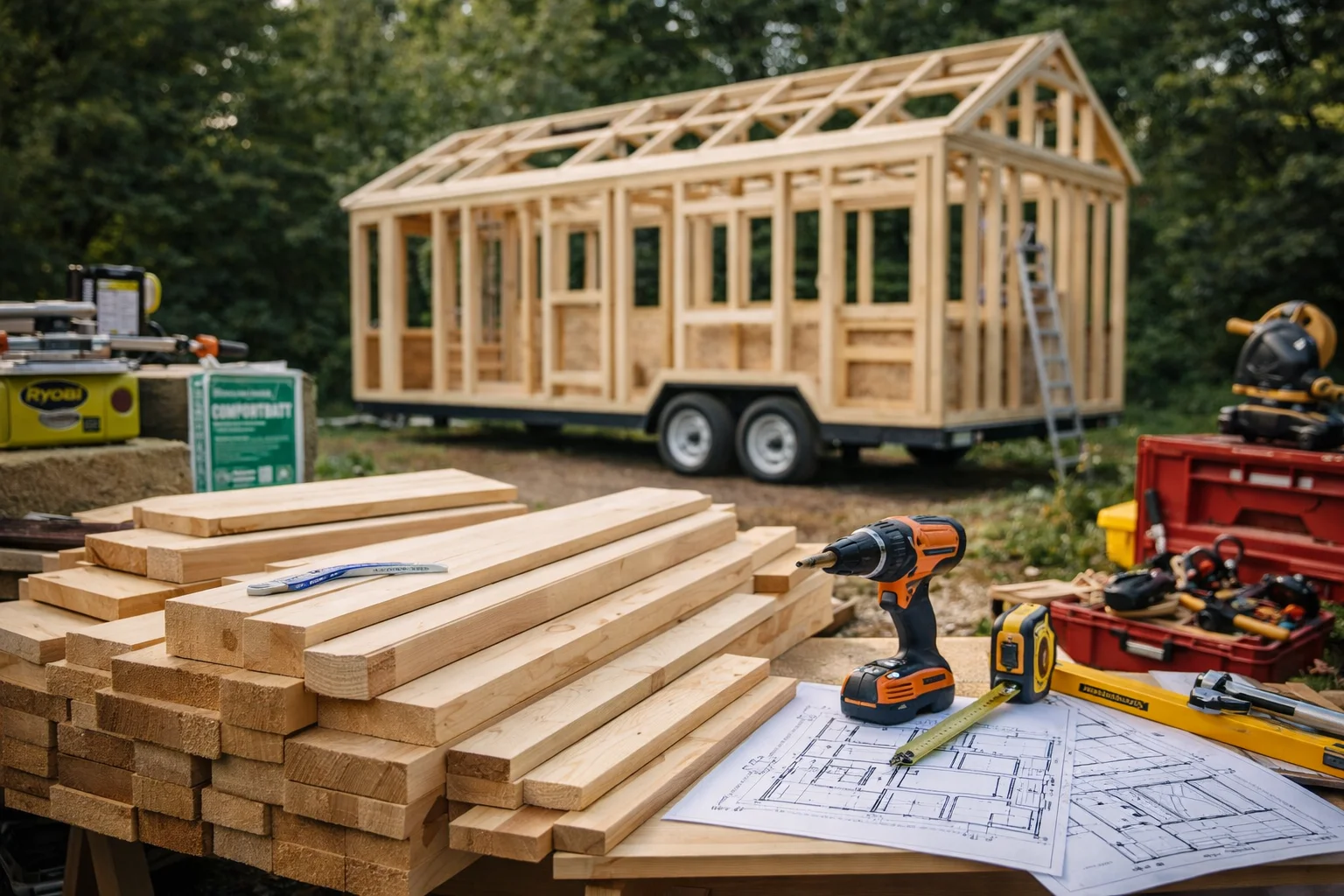
Size and Layout
Even though we call them “tiny,” they can range from 100 to 400+ square feet. A bigger space means more materials, more labour, and a higher price.
A loft bedroom? Built-in storage? Extra windows? All of that adds up.
DIY vs. Professional Build
This is one of the biggest price differences.
- DIY build: cheaper, but takes time, skills, and patience
- Professional build: more expensive, but faster and polished
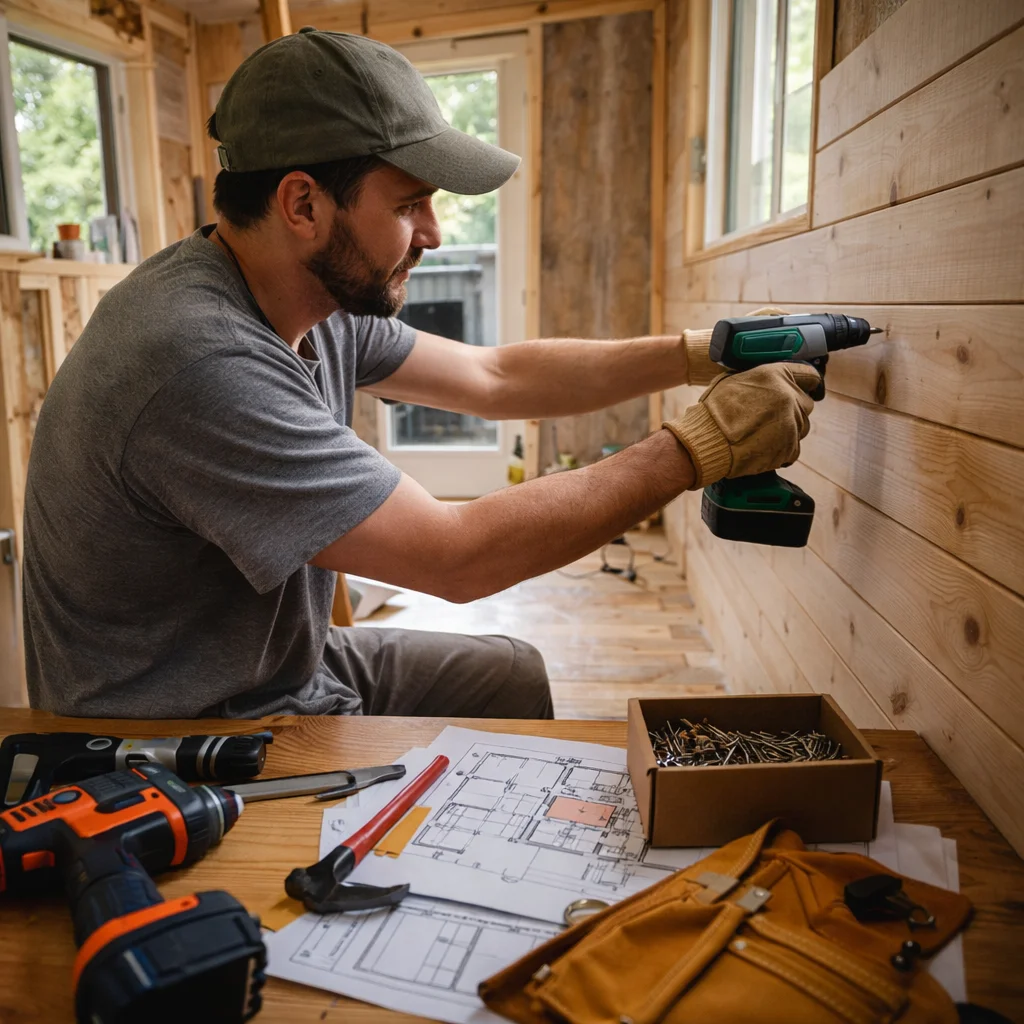
If you’ve got construction skills (or are willing to learn), building your own tiny house can save you tens of thousands.
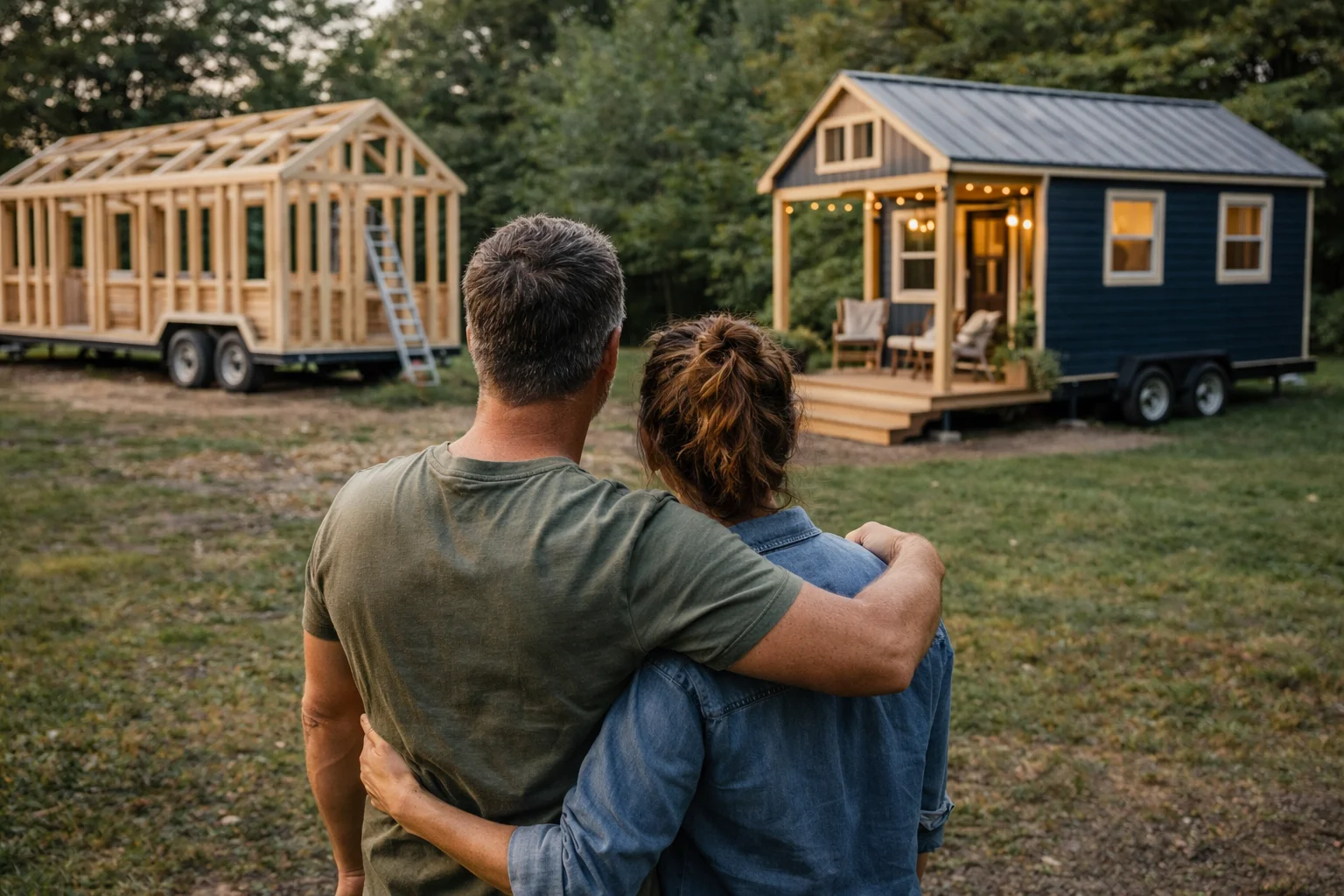
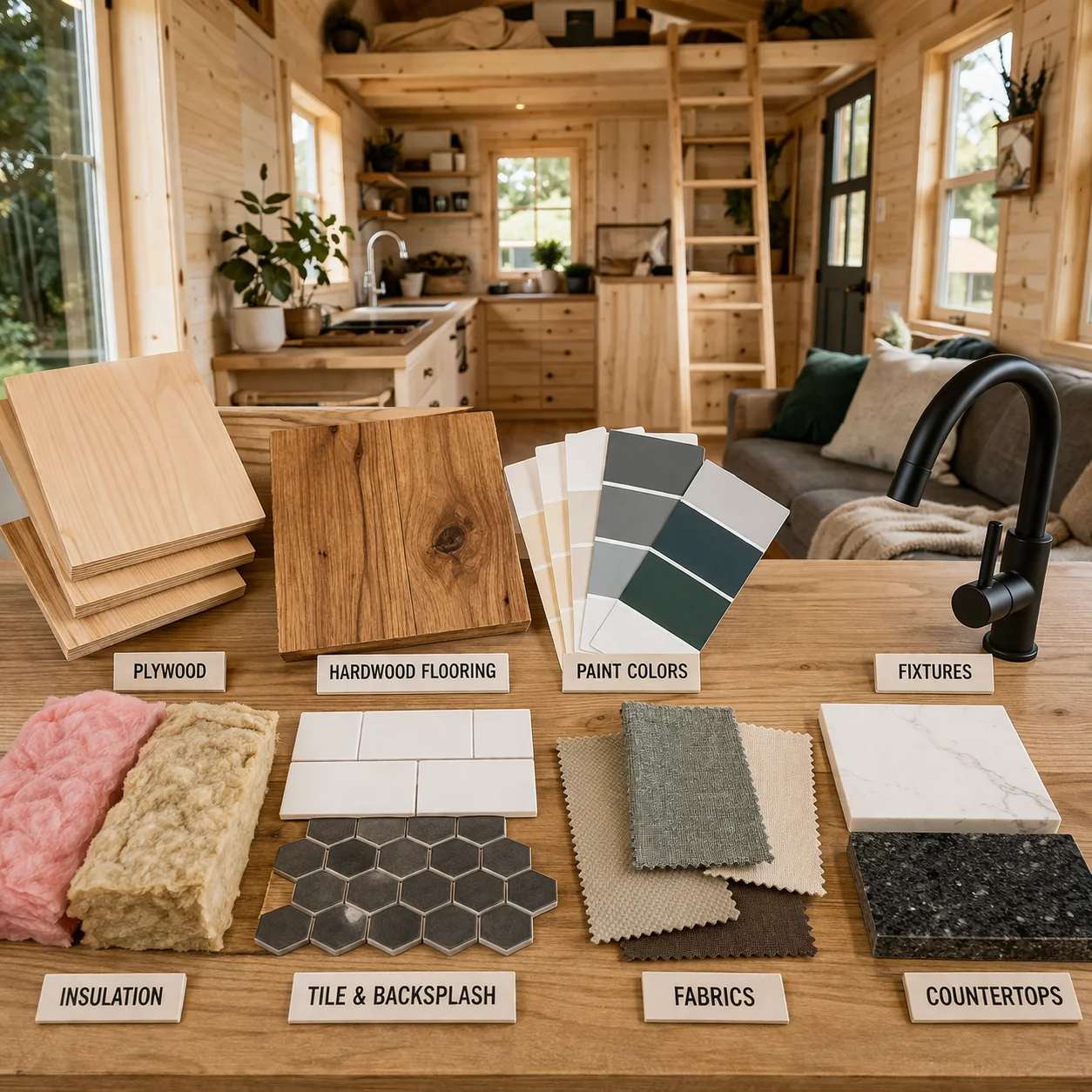
Materials and Finishes
You can go basic or go all out.
- Budget materials: plywood, laminate, simple fixtures
- High-end materials: hardwood floors, quartz countertops, custom cabinets
If you want your tiny house to feel like a luxury cabin, expect to pay more.
Utilities and Off-Grid Features
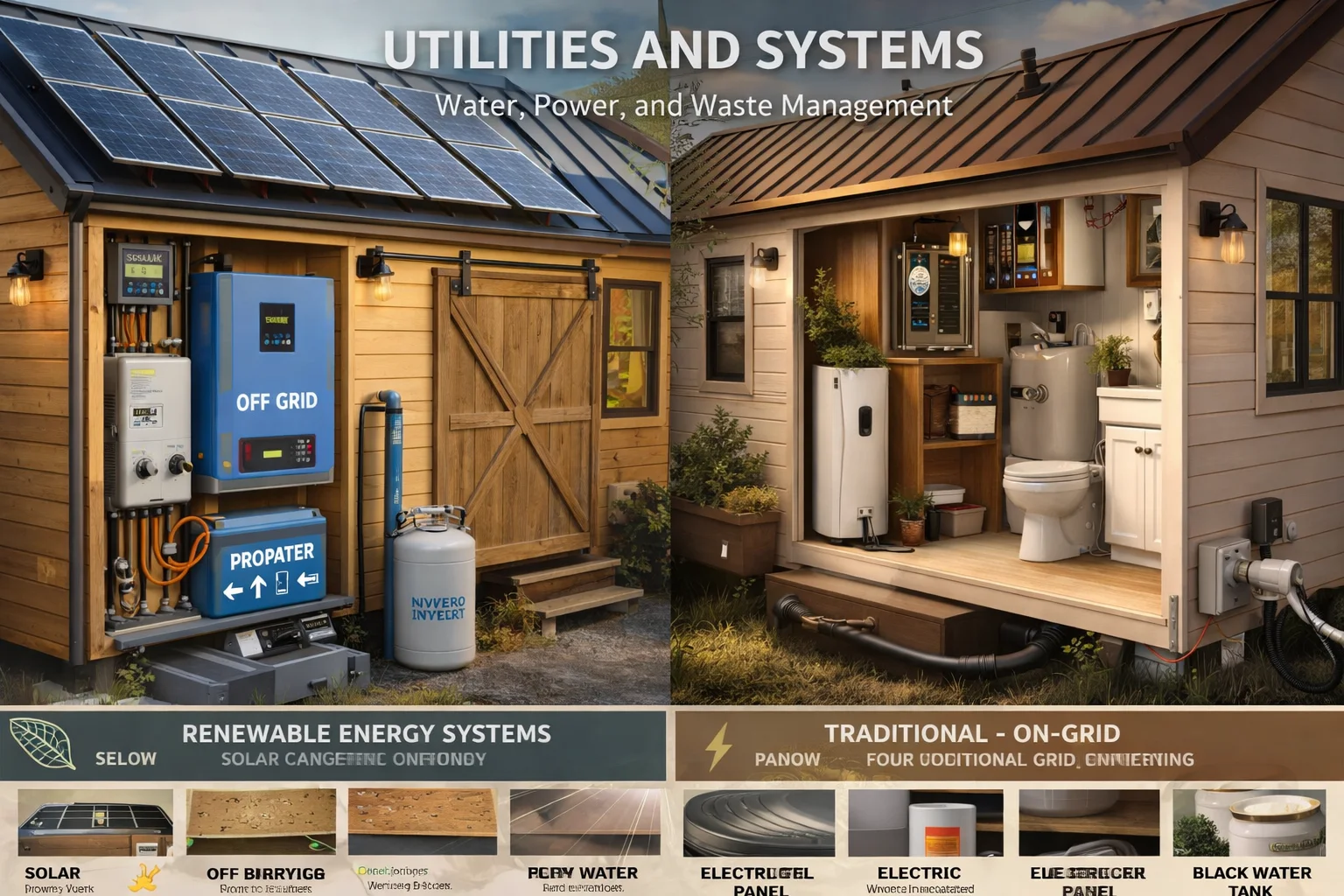
Planning to live off-grid? That’s awesome—but it adds cost upfront.
- Solar panels: $3,000 – $10,000
- Composting toilet: $1,000 – $3,000
- Water systems: varies widely
These can save money over time, but they increase your initial investment.
Tiny House on Wheels vs. Foundation
This choice matters more than most people expect.
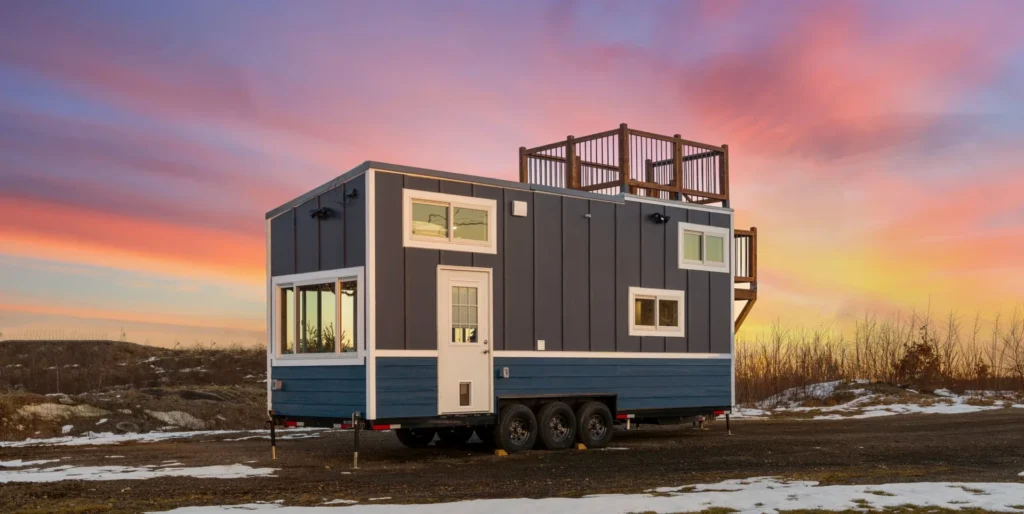
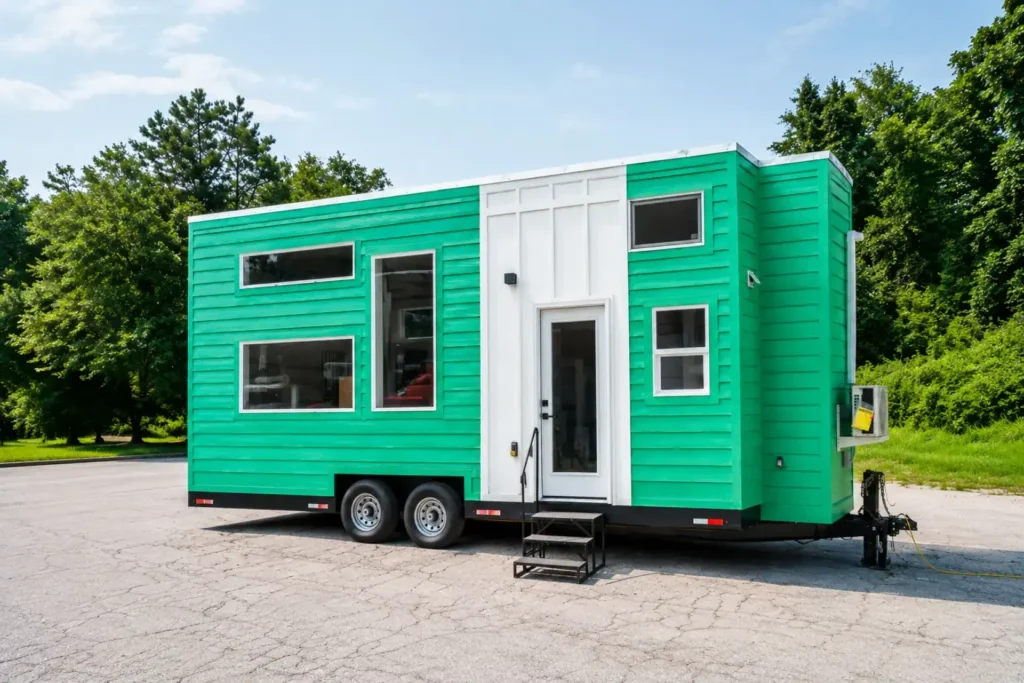
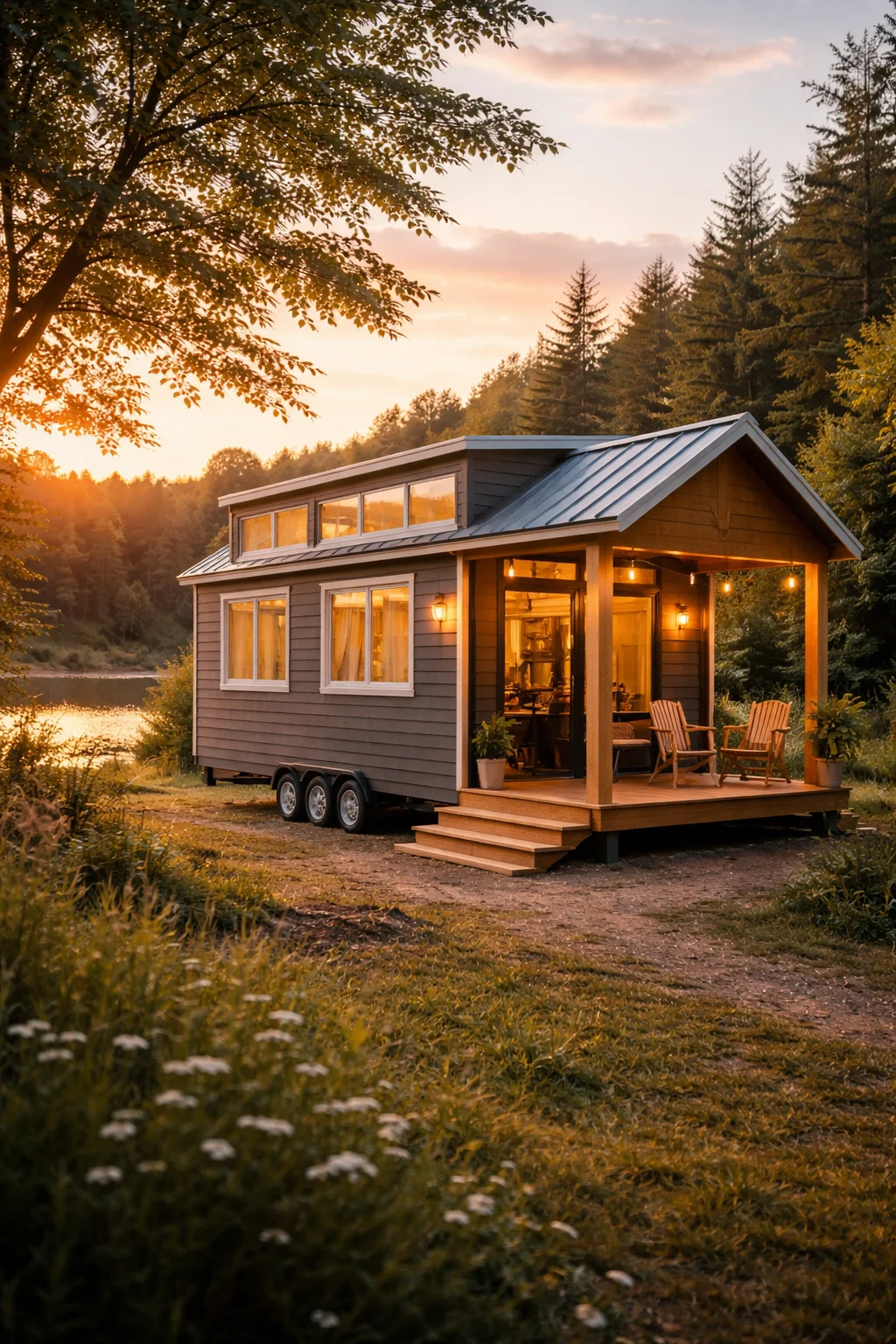
Tiny House on Wheels (THOW)
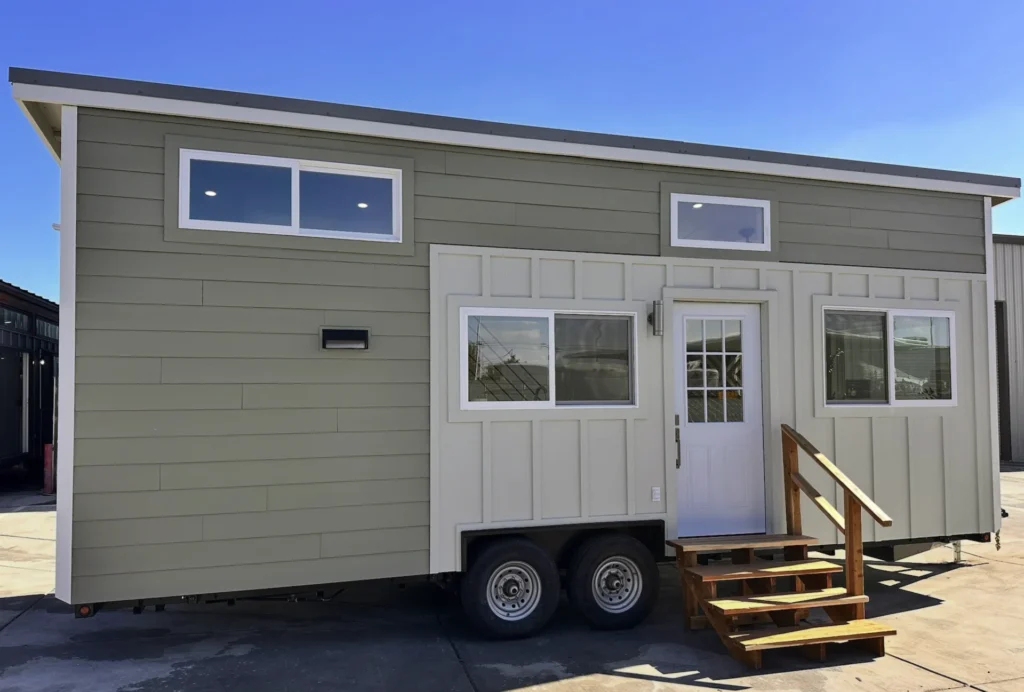
Cost: $30,000 – $80,000
Built on a trailer
Mobile and flexible
No traditional property taxes (in many cases)
Great if you want freedom to move around.
Tiny House on a Foundation
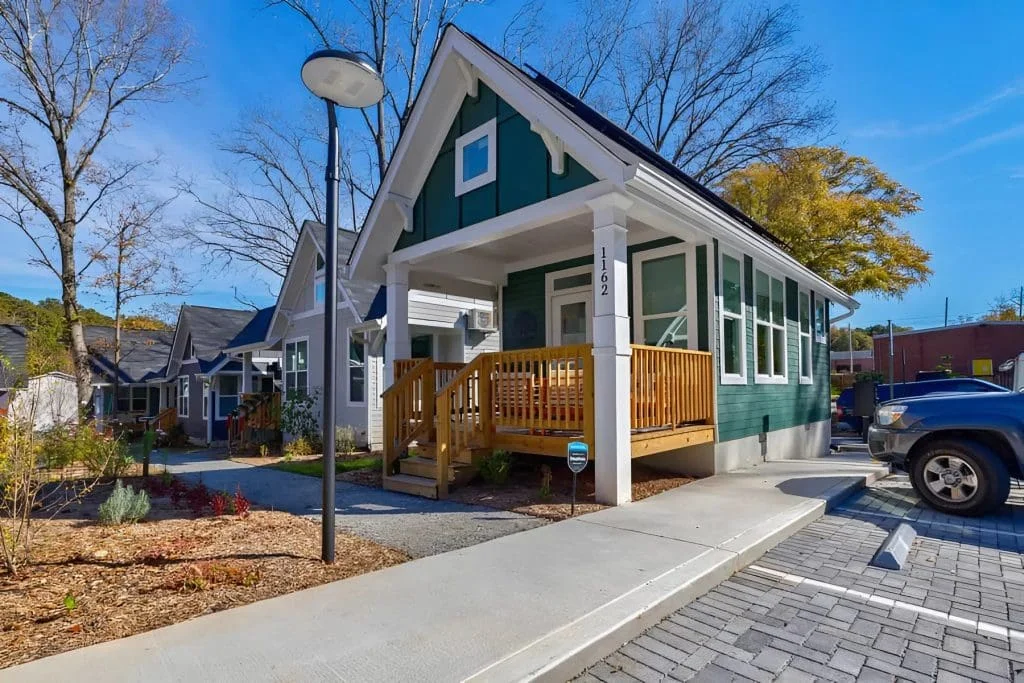
Cost: $60,000 – $150,000+
Built like a regular home
Requires land and permits
More stable and easier financing
This option feels more like a traditional house, just smaller.
The Hidden Costs People Forget
This is where things can surprise you. The house itself isn’t the only expense.
Land
If you don’t already own land, you’ll need a place to put your tiny house.
- Rural land: $5,000 – $50,000+
- Urban land: much higher
Some people rent land or park in tiny house communities to save money.
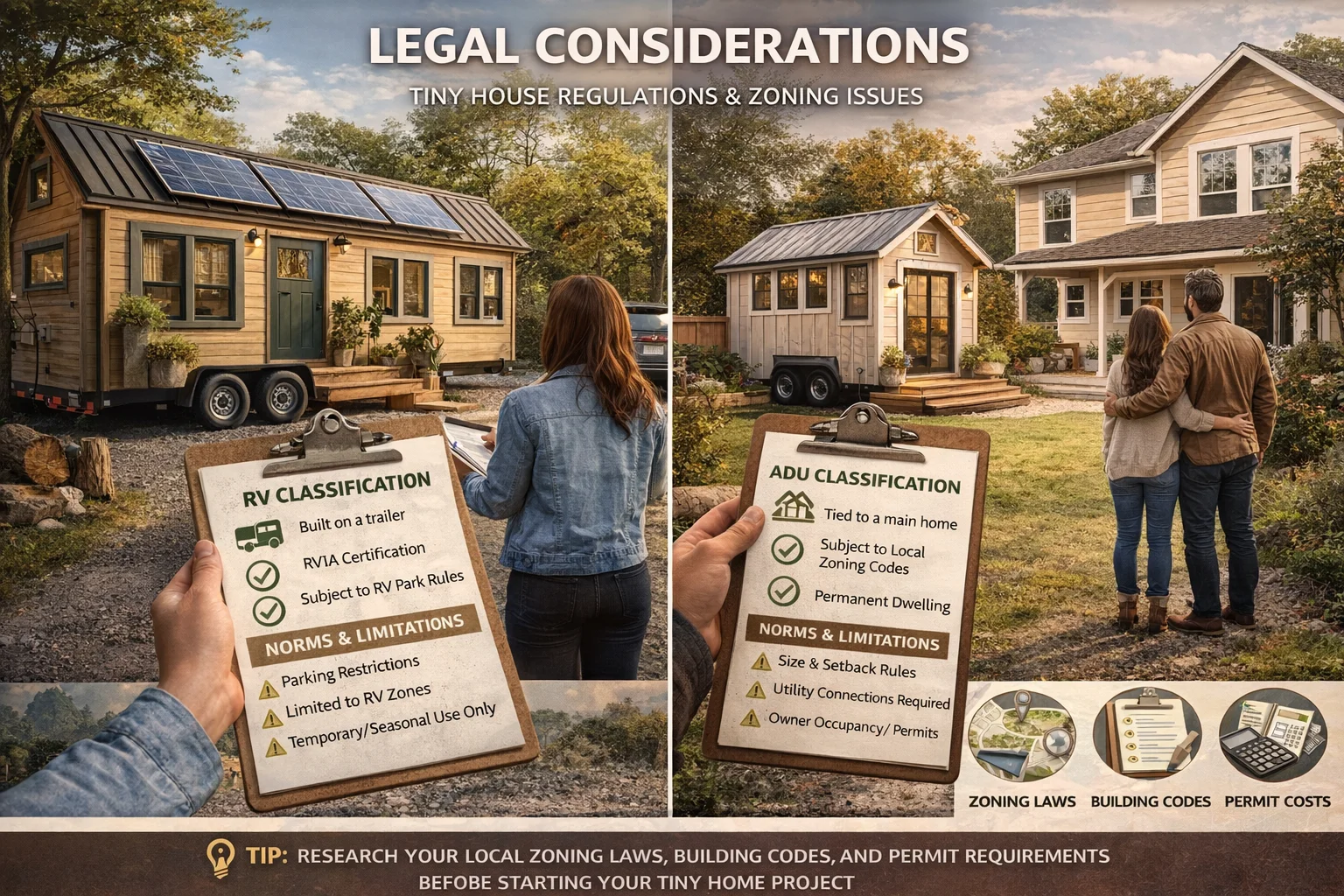
Permits and Zoning
Rules vary by state and city. Some areas welcome tiny homes, others… not so much.
Permits can cost anywhere from a few hundred to a few thousand dollars.
Hookups and Utilities
You’ll need access to:
- Electricity
- Water
- Sewage
Connecting to utilities can cost $1,000 to $10,000+, depending on location.
Insurance
Tiny house insurance usually costs $500 to $1,500 per year, depending on whether it’s mobile or fixed.
Is a Tiny House Really Cheaper?
This is where things get interesting.
A tiny house can be much cheaper than a traditional home—but not always.
Here’s why:
- Cost per square foot is often higher
- Custom builds increase the price quickly
- Land and setup costs add up
Still, your total cost is usually lower, which is why so many people make the switch.
Financing a Tiny House
Getting a loan for a tiny house isn’t always straightforward.
Traditional mortgages usually don’t apply, especially for tiny homes on wheels.
Here are some common options:
- Personal loans
- RV loans (for tiny homes on wheels)
- Builder financing
- Savings (many people go this route)
Monthly payments are often much lower than a regular mortgage, which is a big win.
How to Save Money on a Tiny House
If you’re trying to keep costs down, here are some real-life tips that work.
Start Simple
Skip the luxury upgrades at the beginning. You can always add things later.
Consider a Shell Build
Some companies sell unfinished tiny houses. You get the structure, then finish the inside yourself.
This can save a lot of money.
Use Reclaimed Materials
Salvaged wood, second-hand fixtures, and recycled materials can cut costs and add character.
Keep It Small
It sounds obvious, but every extra square foot adds cost. Be honest about what you really need.
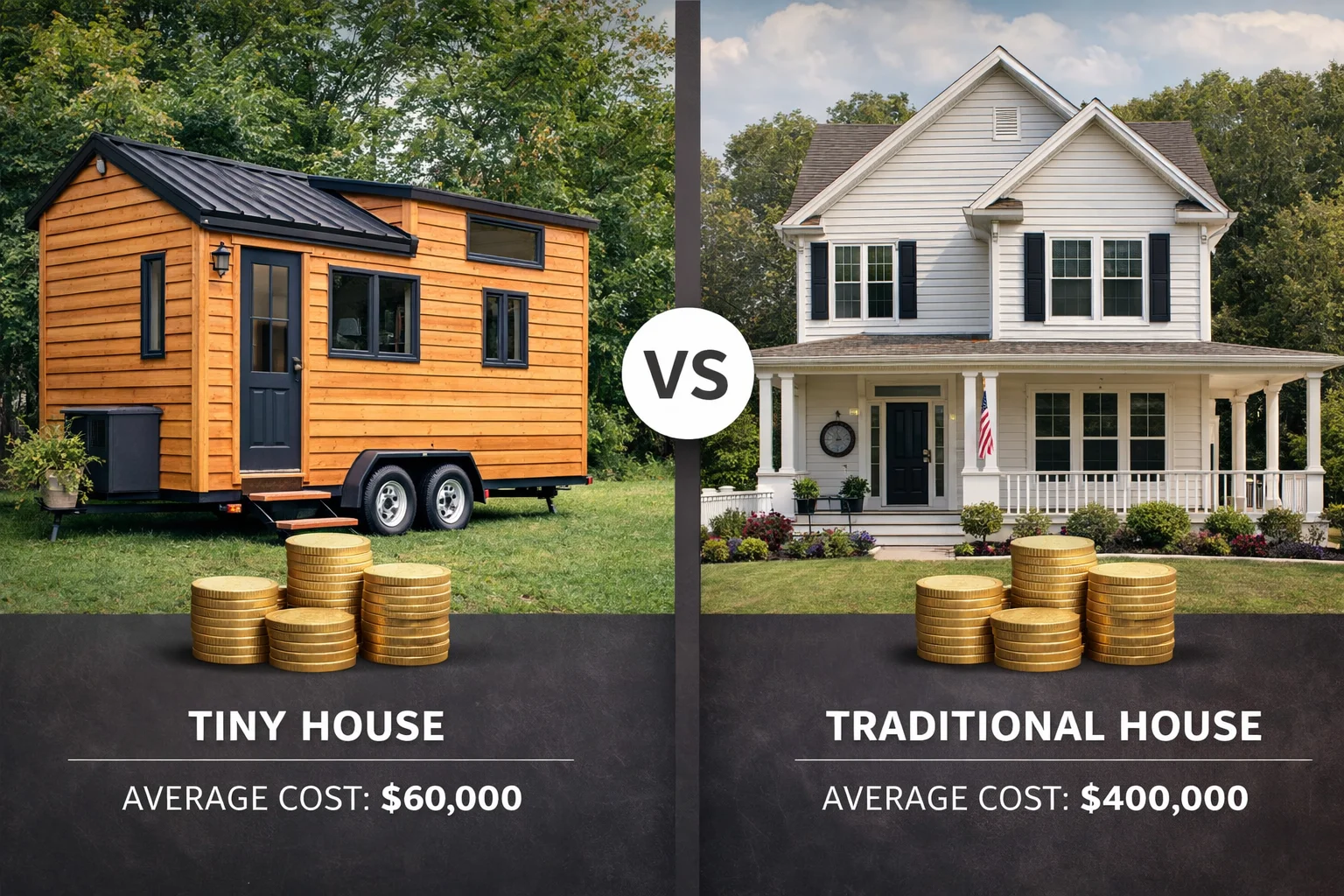
Tiny House Cost vs. Traditional House
Let’s put things side by side:
| Feature | Tiny House | Traditional House |
|---|---|---|
| Average Cost | $30K – $100K | $300K+ |
| Maintenance | Low | Higher |
| Utility Bills | Low | Higher |
| Space | Small | Large |
Tiny homes aren’t just about saving money—they’re about changing how you live.
Is a Tiny House Worth It?
That depends on your lifestyle.
If you like:
- Minimal living
- Lower bills
- More freedom
- Less cleaning
A tiny house can feel like a dream.
But if you need a lot of space or love collecting things, it might feel tight pretty quickly.
Final Thoughts: What Should You Expect to Pay?
Most people in the US spend $50,000 to $80,000 for a well-built tiny house.
You can go cheaper if you build it yourself, or much higher if you want something custom and luxurious.
At the end of the day, a tiny house isn’t just about the price—it’s about the lifestyle. You’re trading space for simplicity, and for a lot of people, that trade is totally worth it.
If you’re thinking about getting one, take your time, plan your budget carefully, and really think about how you want to live. That’s what makes all the difference.